







Shorts

0:49
Why I Admire My Colleague: A Lesson in Professionalism
4 days ago
by
Andrew Mastro, MS, PA-C

1:20
Making a Difference Through Patient Care
5 days ago
by
Faseeha Raza, PA-C

0:47
Why I love being a PA: Frontline care & career flexibility
5 days ago
by
Hayden Middleton, PA-C

0:33
How I Help Patients Reclaim Their Confidence
5 days ago
by
Jamie Restivo, MPAS, PA-C

0:39
The Mentor Who Changed My Career Path
7 days ago
by
David Seiter, FNP-C

0:44
PAs: Why You Don't Need To Fit In A Box
7 days ago
by
Erica Ramos, PA-C
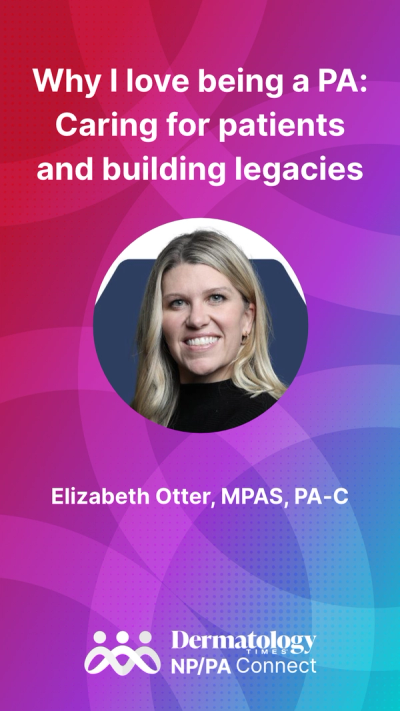
1:10
Why I love being a PA: Caring for patients and building legacies
8 days ago
by
Elizabeth Otter, MPAS, PA-C

0:41
Why Being a Derm PA is More Than Just Medicine
9 days ago
by
Sarah Vicari, MMS, PA-C
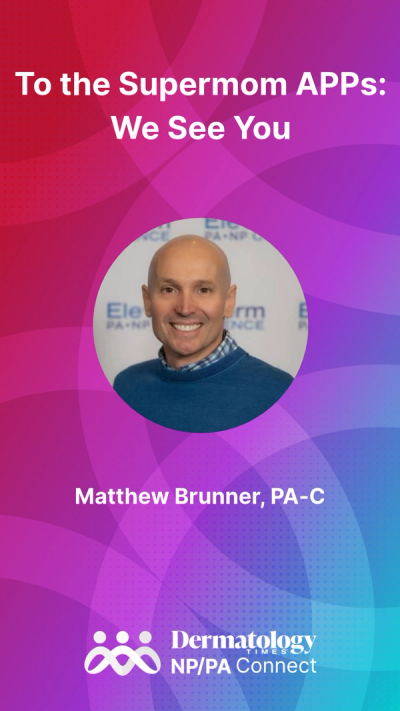
0:37
To the Supermom APPs: We See You
9 days ago
by
Matthew Brunner, MHS, PA-C
0:46
Why I Love Being a Dermatology PA
10 days ago
by
Izabela Horzempa, PA-C
Podcasts
Continuing Medical Education


All News
Advertisement

This review of the latest dermatological studies includes insights on artificial intelligence, interstitial granulomatous dermatitis and atopic dermatitis
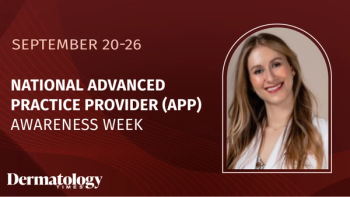
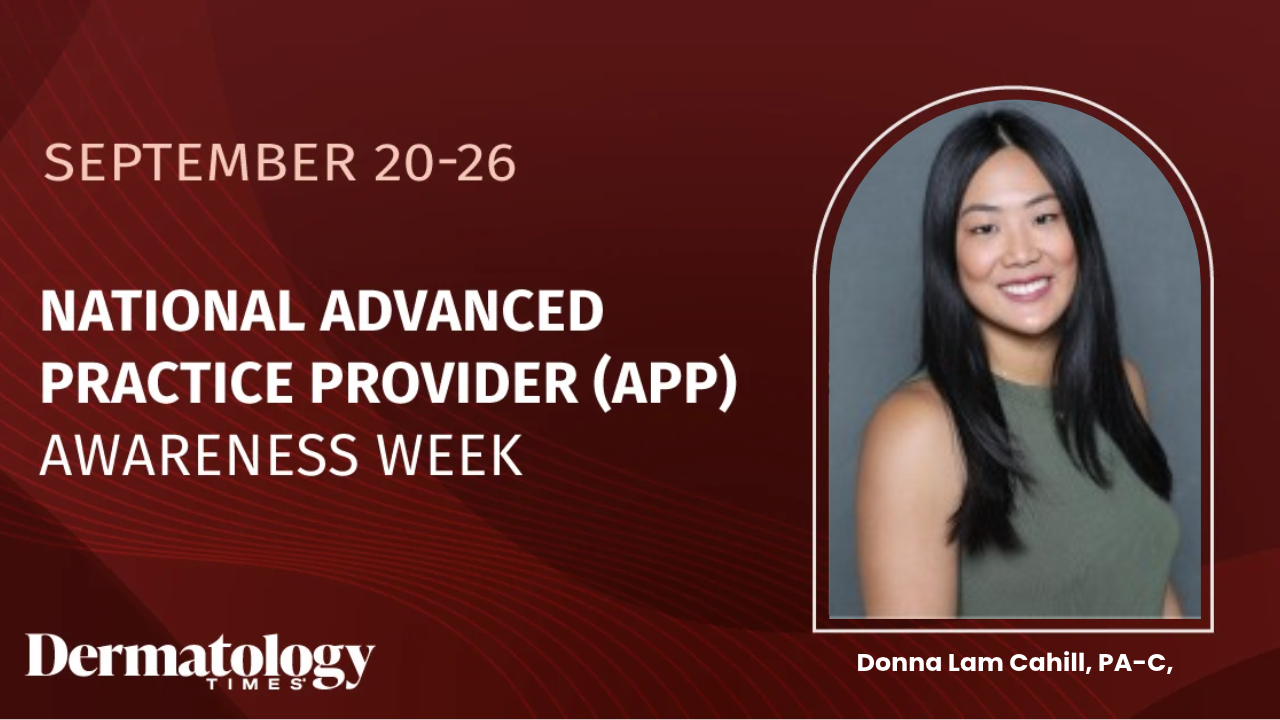
Jamie Nichole Restivo, MPAS, PA-C, reflects on her path to dermatology, the evolving role of APPs, and the power of collaboration during National APP Week.

Test your knowledge of the hidden costs, financial metrics, and operational decisions that can shape a dermatology practice.
Every week, we cut through the noise to bring clinicians the trial results, approvals, and emerging therapies that are actually moving the needle.

Justin Love, MPAS, PA-C, highlights the financial considerations that can shape the long-term health of a dermatology practice.
Maui Derm NP+PA Fall 2026 brought APPs together for updates spanning inflammatory disease, oncology, emerging therapies, and diagnostic challenges.
NPPA Connect celebrates National APP Week by recognizing the NPs and PAs helping shape the future of dermatologic care.
Day 2 explored infectious disease, challenging diagnoses, GLP-1s in psoriasis, and evolving approaches to inflammatory skin disease.
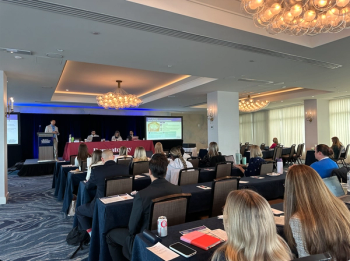
From prevention and early detection to immunotherapy and radiation, revisit key takeaways from the Cutaneous Oncology Workshop.

Stay ahead with a weekly roundup of the biggest practice management, AI, policy, business, and professional development updates in dermatology.
Advertisement
Day 1 of Maui Derm NP+PA Fall 2026 highlighted emerging therapies, cutaneous oncology, challenging dermatitis cases, and procedural pearls.
Maui Derm NP+PA Fall 2026 brings dermatology NPs and PAs together for clinical updates, interactive cases, and practical treatment discussions.
A seemingly benign pigmented lesion reveals a more complex diagnosis after deeper evaluation and molecular testing
Faculty from the Cutaneous Oncology Workshop answer practical questions spanning skin cancer prevention, diagnosis, treatment, and follow-up.
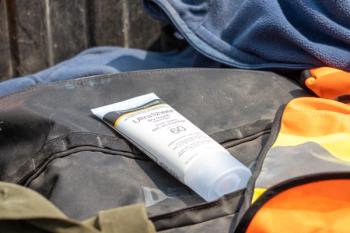
Two new Neutrogena facial sunscreens incorporate bemotrizinol, the first new sunscreen active ingredient added to the US OTC monograph in decades.
This review of the latest dermatological studies includes insights on stem cell therapies for skin rejuvenation, smoke exposure in HS, hair loss in pediatric IBD, and more.

An HS toolbox with wound care, symptom relief, and personal care supplies can help patients stay prepared for unexpected flares.
The inaugural workshop explored skin cancer care from prevention and diagnosis through systemic therapy, radiation, and multidisciplinary management.
Every week, we cut through the noise to bring clinicians the trial results, approvals, and emerging therapies that are actually moving the needle.
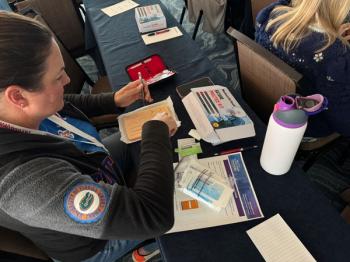
The final session of the Cutaneous Oncology Workshop explored advances in systemic therapy, management of immunotherapy-related skin reactions, and the role of radiation.
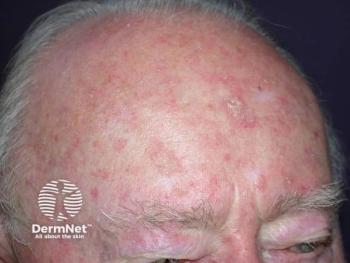
At the Dermatology Times NP/PA Cutaneous Oncology Workshop in Tampa, Florida, Amit Om, MD, outlined why field-directed therapy is increasingly favored over lesion-directed treatment for actinic keratosis.

Faculty at the Dermatology Times Cutaneous Oncology Workshop addressed real-world questions on mole mapping, biopsy decisions, oral photoprotection, and actinic keratosis treatment.
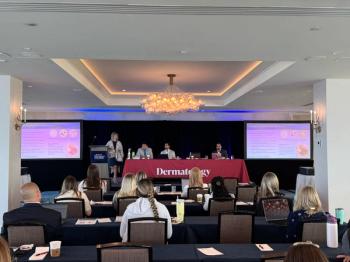
In the morning session, Experts highlighted evolving photoprotection strategies, field-directed treatment of actinic keratoses, hereditary cancer risk, and practical dermoscopy pearls for APPs.

Nurses help bridge clinical outcomes and patient experience through holistic, person-centered dermatologic care.

Dietary changes may help some patients with chronic urticaria, but evidence does not yet support a standardized diet.
This review of the latest dermatological studies includes insights on AGA and cardiovascular risk, adverse events associated with cutaneous procedures, narrowband-UVB phototherapy for urticaria pigmentosa, and more.
Every week, we cut through the noise to bring clinicians the trial results, approvals, and emerging therapies that are actually moving the needle.
Stay ahead with a weekly roundup of the biggest practice management, AI, policy, business, and professional development updates in dermatology.

Review guides cosmetic skin care in pregnancy vs breastfeeding, highlighting safer topicals, peels, injectables, and when to defer procedures.
A teen with persistent atopic dermatitis has tried multiple topicals but wants to avoid injectables. Work through the case and decide whether you would try another topical or escalate treatment.

J. Caleb Runyon, NP-C, shares how he turned an unmet need into The Closer Look Project and what he learned along the way.
This review of the latest dermatological studies includes insights on adalimumab durability in HS, medicolegal issues in hair transplantation, yellow light and vitamin C for melasma, and more.
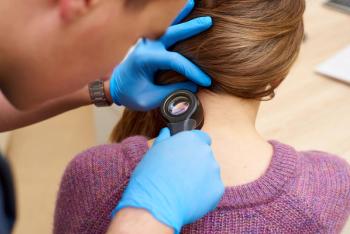
Chantel Hillestad, RN, MSN, DCNP, FNP-C, shares 10 practical tips for conducting thorough full-body skin examinations.

Physicians' Education Resource and Dermatology Times debut a dedicated NP/PA education platform and a new congress series, opening with DermNexus this November in Scottsdale, Arizona.
Every week, we cut through the noise to bring clinicians the trial results, approvals, and emerging therapies that are actually moving the needle.

Test your knowledge of YCANTH and its phase 3 development program for common warts, including its current indication and COVE trials.
In this episode, Renata Block, DMSc, MMS, PA-C, welcomed Obehi Oriaifo, DNP, FNP-BC, DCNP, founder of DermaNP Solutions, to discuss expanding teledermatology access for rural and underserved patients.
Stay ahead with a weekly roundup of the biggest practice management, AI, policy, business, and professional development updates in dermatology.
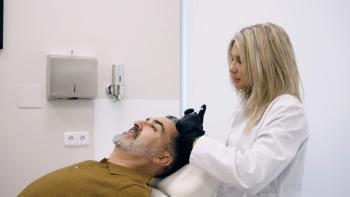
Hair transplantation is expanding beyond scalp restoration. Here’s what NPs and PAs should know about candidacy, counseling, and recovery.

Jennifer Soung, MD, discussed whole-person care for psoriasis and alopecia areata and emerging conversations around skin aging and menopause.

As NPs and PAs take on more dermatology care, specialty certification remains limited despite growing opportunities for advanced training.

A meta-analysis found significantly lower SCC risk in patients with vitiligo, offering useful context for skin cancer and phototherapy counseling.
This review of the latest dermatological studies includes insights on multimodal imaging for rosacea evaluation, growth in pediatric AD patients, botulinum toxin for post-acne sequelae, and more.
A patient is thriving on JAK inhibitor therapy—then her LDL spikes. Work through the case and decide what you would do next.
Test your knowledge of Tudriqev’s accelerated approval, clinical activity, administration, and ongoing confirmatory research.
Every week, we cut through the noise to bring clinicians the trial results, approvals, and emerging therapies that are actually moving the needle.

A practical guide to baseline testing, follow-up laboratory monitoring, and managing abnormalities in patients receiving oral JAK inhibitors.
Stay ahead with a weekly roundup of the biggest practice management, AI, policy, business, and professional development updates in dermatology.

Learn how private equity rollups reshape dermatology—EBITDA deals, MSOs, and the real tradeoffs for owners, PAs, and new grads.

Shanna Miranti, MPAS, PA-C, explores how fertility treatments can affect skin and hair, including acne, melasma, and hair loss, and offers guidance for patient care.

MotherToBaby launched a pregnancy study to address limited safety data for lebrikizumab use in patients with atopic dermatitis.
This review of the latest dermatological studies includes insights on brodalumab for plaque psoriasis, physiological characteristics of scalps with high sebum production, disease burden of anogenital PsO, and more.
Every week, we cut through the noise to bring clinicians the trial results, approvals, and emerging therapies that are actually moving the needle.

Updated Allergan Partner Privileges offers simplified savings, greater benefits transparency, portfolio-level rewards, and a new BOTOX Cosmetic growth rebate.

Chantel K. Hillestad, MSN, DCNP, FNP-C, discusses recurrent MCC, treatment access, and care coordination for patients in rural communities.
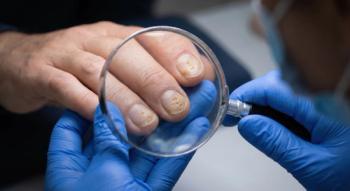
Review common questions about psoriasis, including systemic disease, PsA screening, treatment selection, triggers, and patient counseling.

Long-term envudeucitinib data showed increasing skin clearance through 48 weeks, with 54% of continuously treated patients achieving PASI 100.
Test your knowledge of GPP recognition, clinical presentation, complications, and targeted treatment!

An MCC case illustrates how travel distance and limited oncology access can influence treatment decisions and adherence in rural patients.
This review of the latest dermatological studies includes insights on JAKs in severe HS, reactive cutaneous capillary endothelial proliferation in esophageal SCC, PN treatment preferences, and more.

Aaron Farberg, MD, discusses Isoclear’s 3-phase approach to acne treatment, from active breakouts to long-term skin maintenance.
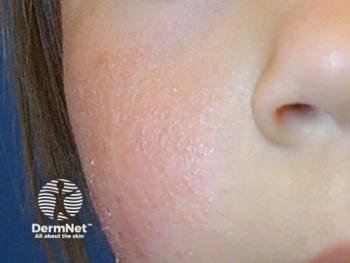
See how precision biologics—dupilumab, IL-13/IL-31 blockers, JAK inhibitors, and omalizumab—change treatment for atopic dermatitis and chronic spontaneous urticaria.
Every week, we cut through the noise to bring clinicians the trial results, approvals, and emerging therapies that are actually moving the needle.
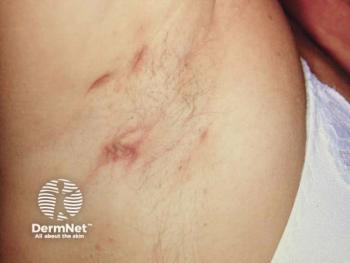
HS microbiome studies fuel probiotic hype, but a new review finds evidence too thin for routine use and highlights key research gaps.
Stay ahead with a weekly roundup of the biggest practice management, AI, policy, business, and professional development updates in dermatology.
This review of the latest dermatological studies includes insights on fibromyalgia in rosacea patients, isotretinoin use and suicidality in adolescents, patient-centered teledermatology, and more.


Your Name Is on the Claim: Billing Compliance, Federal Enforcement, and Why the Provider Always Pays
In this edition of The Practice Playbook, learn incident-to rules, Mohs coding limits, NPI liability, and how audits and whistleblowers trigger FCA cases.
Every week, we cut through the noise to bring clinicians the trial results, approvals, and emerging therapies that are actually moving the needle.

Our July issue tackles melanoma surgery challenges, melasma in skin of color, new bemotrizinol sunscreen, atopic dermatitis breakthroughs, and billing insights from Whitney Hovenic, MD, Joseph Gatti, DMSc, Rivkah Epstein, PA-C, and more.
Every week, we cut through the noise to bring clinicians the trial results, approvals, and emerging therapies that are actually moving the needle.
In this episode, Renata Block, DMSCc, MMS, PA-C, discusses the new ICD-10 code for topical steroid withdrawal with Kelly Barta, the president and executive director of the International Topical Steroid Awareness Network.

Survey highlights APP autonomy, prescribing confidence, and treatment priorities in atopic dermatitis care
This review of the latest dermatological studies includes insights on the burden of flooding, finasteride versus dutasteride in AGA, myocardial dysfunction in psoriasis patients, and more.
Stay ahead with a weekly roundup of the biggest practice management, AI, policy, business, and professional development updates in dermatology.
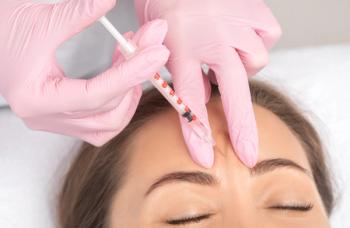
A new commentary argues primary or acute care experience should be a prerequisite for clinicians entering aesthetic medicine to improve patient safety and clinical decision-making.
Every week, we cut through the noise to bring clinicians the trial results, approvals, and emerging therapies that are actually moving the needle.

New York has extended independent practice authority for qualified nurse practitioners through July 1, 2030, preserving the current framework and collaboration requirements.

Hormonal shifts shape psoriasis and atopic dermatitis through puberty, pregnancy, postpartum, and menopause, guiding safer treatment choices and protecting pregnancy outcomes.
This review of the latest dermatological studies includes insights on gut dysbiosis in inflammatory conditions, air pollution and vitiligo risk, emollient use in AD patients, and more.
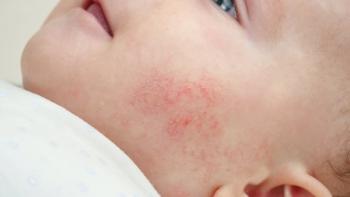
The FDA accepted an sNDA for roflumilast cream 0.05% in infants, potentially expanding steroid-free treatment options for atopic dermatitis.

Genetic MR links gut microbiome shifts to eczema, dermatitis, rosacea and more, spotlighting cytokines like IL‑10, IL‑18 and IL‑6 as therapeutic targets.
Every week, we cut through the noise to bring clinicians the trial results, approvals, and emerging therapies that are actually moving the needle.
This review of the latest dermatological studies includes insights on granulomatous dermatoses during dupilumab therapy, SAAD-41 validation in alopecia, updated vitiligo trends, and more.
This review of the latest dermatological studies includes insights into vitiligo, including emerging surgical techniques, the impact of social media, camouflage agents, and more.

Career decisions in dermatology are too often driven by emotion rather than data, according to a new practice management column examining common pitfalls in contract evaluation and compensation negotiations.
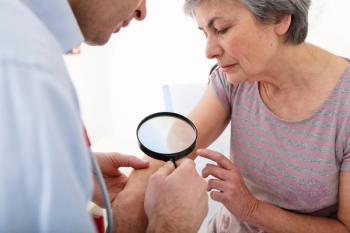
Two clinic cases illustrate why dermatologic providers must apply broad general medicine training in every encounter.
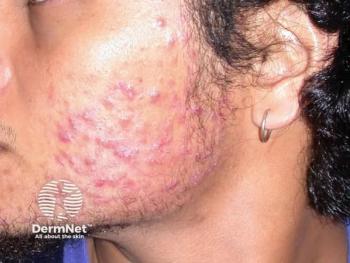
The 3-phase Isoclear regimen pairs topical isotretinoin with clindamycin, tranexamic acid, niacinamide, and copper peptide based on treatment stage.
In the Chair puts you in the hot spot, challenging you to navigate complex, real-world cases.
Every week, we cut through the noise to bring clinicians the trial results, approvals, and emerging therapies that are actually moving the needle.
This review of the latest dermatological studies includes insights on a mobile AI platform for skin disease prescreening, COVID-19 outcomes in PsO patients on biologics, i-PRF) and laser therapy for facial rejuvenation, and more.
In the Chair puts you in the hot spot, challenging you to navigate complex, real-world cases.
Every week, we cut through the noise to bring clinicians the trial results, approvals, and emerging therapies that are actually moving the needle.
This review of the latest dermatological studies includes insights on PeakPASI in psoriasis severity, the future of digital derm lectures, negative pressure wound therapy, and more.

Turn Therapeutics is preparing to request an FDA meeting to discuss regulatory strategy and potential pathways toward market following successful Phase 2 completion.

Put your dermatology expertise to the test with Dermatology Times’ interactive quiz series.
Advertisement
Advertisement
Trending on Dermatology Times
1
Late Breaking: Zumilokibart Meets Primary End Point in Phase 2 Atopic Dermatitis Trial
2
Daxdilimab Improves Disease Activity in Treatment-Refractory Discoid Lupus in Phase 2 Trial
3
Dupilumab Data at EADV 2026 Highlight Outcomes Across AD, CSU, and Prurigo Nodularis
4
Nearly 95% of Viral Korean Skincare TikTok Videos Contain Misleading Claims
5