


Rare Disease
Latest News
Advertisement
Latest Videos








Shorts

0:36
A New Hope for Patients With Dermatomyositis
23 days ago
by
Victoria Werth, MD

0:35
Rapid Improvement in Dermatomyositis With Brepocitinib
24 days ago
by
Victoria Werth, MD
0:56
Brepocitinib Approved for Dermatomyositis
a month ago
by
Kaitlyn Bader, Assistant Managing Editor

0:33
Spevigo for Acute and Flaring GPP
a month ago
by
Aaron S. Farberg, MD

1:10
Why Patients With EBS May Stop Seeing Their Physician
a month ago
by
Karen M. McGuire, PhD

1:00
Why GPP Awareness Day Matters
2 months ago
by
Aaron S. Farberg, MD

0:35
Afamelanotide That Boosts Skin Photoprotection
4 months ago
by
Elizabeth Buzney, MD

0:43
Why Rare Diseases Like EPP Are Frequently Misdiagnosed
4 months ago
by
Elizabeth Buzney, MD

0:37
Severe Pain With No Visible Signs: Erythropoietic Protoporphyria Insights
4 months ago
by
Elizabeth Buzney, MD

1:08
Why LPP and Cicatricial Alopecias are Trichologic Emergencies
6 months ago
by
Kristen Lo Sicco, MD


Advertisement
More News

The FDA has set a PDUFA target action date of June 29, 2027, based on APEX trial data showing a 65% overall response rate in advanced systemic mastocytosis.

Victoria Werth, MD, professor of dermatology and rheumatology at the University of Pennsylvania, recently discussed brepocitinib's FDA approval for dermatomyositis and what the VALOR trial data mean for patients and clinicians.

In the morning session, Experts highlighted evolving photoprotection strategies, field-directed treatment of actinic keratoses, hereditary cancer risk, and practical dermoscopy pearls for APPs.

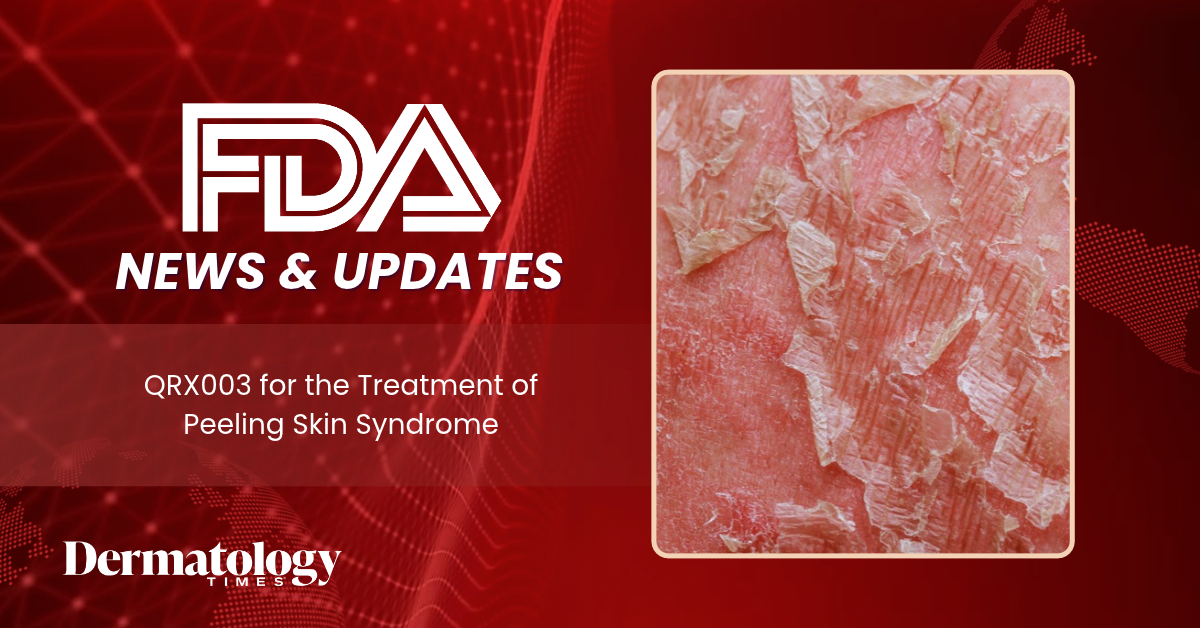
FDA granted QRX003 RPD designation for PSS, adding to its Netherton syndrome designation as Quoin prepares for a phase 2 study.
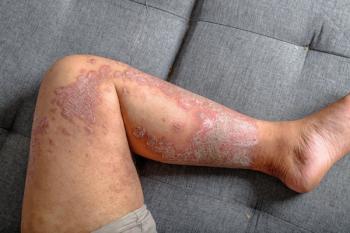
Quoin reported positive interim phase 2/3 results for QRX003, which met the primary endpoint in patients with Netherton syndrome.

The FDA approval, based on phase 3 VALOR trial data, makes brepocitinib the first targeted therapy specifically indicated for dermatomyositis.

A secondary analysis of the phase 3 VALOR trial found brepocitinib 30 mg nearly doubled remission-level skin responses and improved itch as early as week 4 compared with placebo.

LEO Pharma will acquire worldwide rights to dersimelagon, an investigational oral therapy under FDA review for EPP and XLP.
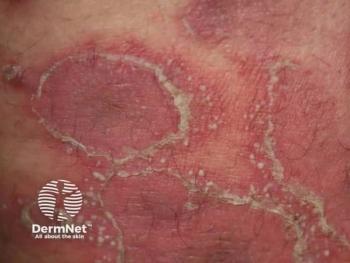
Review 10 evidence-based answers on GPP pathophysiology, diagnosis, and IL-36-targeted management, drawn from National Psoriasis Foundation consensus and emergency medicine literature.
SkinJect demonstrated 64% clinical clearance and 55% complete histological response in a phase 2 study of nodular BCC patients.
The priority review pathway cuts the standard 300-day Canadian review timeline to approximately 180 days, reflecting Health Canada's assessment of serious unmet need in the EB population.

Elizabeth Buzney, MD, provides an overview of the mechanism of action, administration protocol, and clinical safety profile of afamelanotide for erythropoietic protoporphyria.
Phase 1/2 data from RESET-Myositis, RESET-SSc, and RESET-SLE presented at EULAR 2026 show durable immunomodulator-free responses and a consistent safety profile across indications.
Medicus Pharma advances microneedle doxorubicin therapy to clear multiple Gorlin syndrome BCC lesions.

New IND pushes QRX003 toward first targeted therapy for peeling skin syndrome, with early pediatric results showing rapid healing and no safety issues.
Elizabeth Buzney, MD, discusses the key reasons erythropoietic protoporphyria is frequently misdiagnosed and the consequences of prolonged diagnostic delay.
Elizabeth Buzney, MD, outlines the clinical hallmarks that separate erythropoietic protoporphyria from other photosensitivity disorders, starting with what clinicians won't see on exam.

The SWF Clinical Care Network now includes 27 validated US sites assessed objectively for multidisciplinary capacity across dermatology, neurology, ophthalmology, mental health, and transitional care.
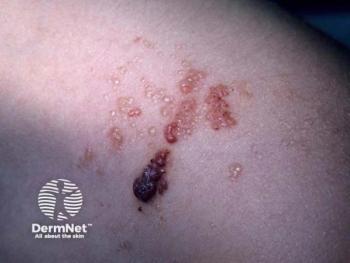
Phase 3 SELVA and phase 2 TOIVA data show Qtorin rapamycin met primary end points for microcystic lymphatic and cutaneous venous malformations.
In this first episode, Elizabeth Buzney, MD, explains why EPP patients suffer for years before receiving an accurate diagnosis, and what clinicians need to know about this debilitating rare disease.
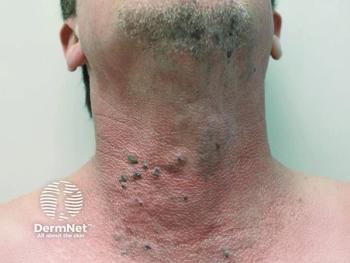
Phase 2 TOIVA data show Palvella's QTORIN rapamycin reduces bleeding and improves quality of life in cutaneous venous malformations, addressing an unmet treatment need.

Dermatology Times' editor in chief highlights essential late-breaker data from AAD 2026, including upadacitinib, rezpegaldesleukin, icotrokinra, zasocitinib, envudeucitinib, sonelokimab, and more.
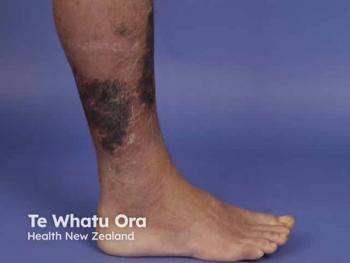
The case underscores that classic imaging hallmarks of necrotizing fasciitis are frequently absent in early-stage disease, making a high index of clinical suspicion essential for front-line providers.
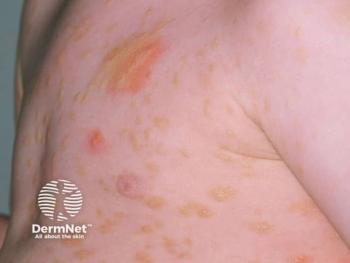
Even nonadvanced forms of systemic mastocytosis can significantly impact patients’ quality of life, though new treatments are improving outcomes.
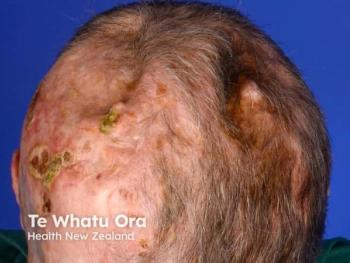
Medicus seeks FDA orphan drug status for SkinJect, a dissolvable microneedle doxorubicin patch targeting Gorlin-related basal cell carcinomas, aiming to reduce the need for repeated surgery.
Advertisement
Advertisement
Trending on Dermatology Times
1
Icotrokinra Sustains Skin Clearance at High-Impact Psoriasis Sites Through 2 Years
2
EADV 2026 Day 3: Long-Term Psoriasis Data and Emerging Therapeutic Targets Take Focus
3
Ritlecitinib Improves Repigmentation in Nonsegmental Vitiligo
4
EADV 2026 Day 2: Long-Term AD Data, GLP-1 Nail Findings, and Emerging Treatments Take Center Stage
5