


Pediatric Dermatology
Latest News
Advertisement
Latest Videos


Shorts

0:46
Why You Should Treat PWCMs As Early As Possible
a month ago
by
Kristen Marie Kelly, MD, FAAD(+1 more)
0:22
Advocating for Pediatric Patients
2 months ago
by
Eileen Cheever, MPAS, PA-C

0:48
What I'd Do If I Won The Lottery: Pediatric Derm Edition
2 months ago
by
Lisa Swanson, MD, FAAD

0:53
Minimal Adverse Events Associated With Tapinarof Cream
2 months ago
by
Linda Stein Gold, MD
0:49
"Unscented" Isn't Fragrance-Free — Here's Why It Matters
2 months ago
by
Andrew C. Krakowski, MD(+1 more)

0:19
Why Dermatopathology Is a Team Sport
2 months ago
by
Adnan Mir, MD, PhD

0:23
When Clinical Diagnosis Fails: The Role of Biopsies
2 months ago
by
Mark Koh, MD

0:36
The Psychological Toll of Vitiligo on Teens
2 months ago
by
Nanette Silverberg, MD
1:10
A Win for Patients and Providers: Roflumilast’s Expanded PsO Indication
3 months ago
by
Christopher G. Bunick, MD, PhD

1:00
Roflumilast Cream Approved for Children as Young as 2 With Plaque Psoriasis
3 months ago
by
Jennifer Soung, MD


Advertisement
More News
Every week, we cut through the noise to bring clinicians the trial results, approvals, and emerging therapies that are actually moving the needle.
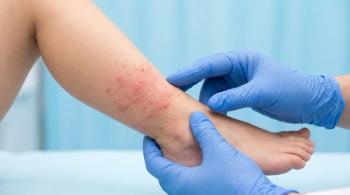
AAD guidelines strongly recommend roflumilast, ruxolitinib, and tapinarof, expanding steroid-sparing options for pediatric atopic dermatitis.
Every week, we cut through the noise to bring clinicians the trial results, approvals, and emerging therapies that are actually moving the needle.

Faculty at Elevate-Derm Summer 2026 discussed the expanding role of oral JAK inhibitors in pediatric dermatology, emphasizing earlier intervention, individualized patient selection, safety monitoring, and family-centered counseling.

RAD 2026 experts unpacked new IL-13, JAK, STAT6 and OX40 options, CHE and pediatric gaps, plus overlooked comorbidities shaping AD care.
Catch up on all of our coverage from this year's Society for Pediatric Dermatology annual meeting.

A panel at SPD 2026 emphasized how pediatric dermatologists tackle pay gaps using RVU benchmarks, private practice options, and coding tactics to raise reimbursement.

Live from SPD 2026; learn how dermatologists can spot teen body dysmorphia, avoid reassurance traps, and use quick in-clinic tools to trigger early mental health referral.

Pediatric vitiligo care now prioritizes comorbidity screening like thyroid checks and anemia evaluation, mental health support, and new therapies including JAK trials and phototherapy options.

Linda Stein Gold, MD, discusses pooled phase 3 tapinarof cream data across pediatric atopic dermatitis age groups presented at the 2026 Society for Pediatric Dermatology meeting.
Pediatric histiocytosis updates at SPD 2026 reveal BRAF/MEK targets as dermatopathology and biopsy genetics boost accuracy in complex childhood dermatoses.

Honored with a top pediatric dermatology award, Amy Paller, MD, MS, shares her mentorship roots, career highlights, and continued advocacy for new treatments and research.
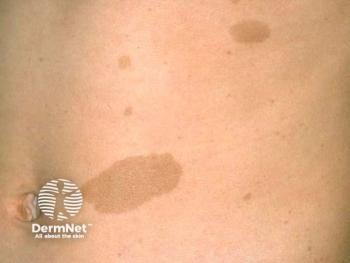
Sarah Chamlin, MD, and Jonathan Dyer, MD, shared practical guidance on treating ulcerated infantile hemangiomas and assessing café-au-lait spots, emphasizing pain control, propranolol, follow-up, and genetics.

In his session at SPD, Markus Boos, MD, PhD showed how inclusive language, privacy, and team training improve dermatologic care and outcomes for gender minority youth.
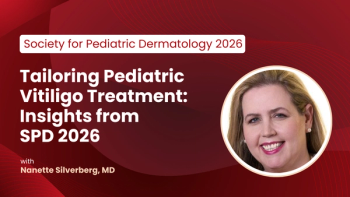
Nanette Silverberg, MD, shares new pediatric vitiligo guidance, spotlighting facial-first goals, topicals, UVB, and steroid "rescue" strategies for widespread, fast-moving disease.

At SPD 2026, Brandi Kenner-Bell, MD, FAAD, shared practical pediatric dermatology tips for curly and coily hair: cleanse smarter, deep condition, avoid damaging chemicals, and reduce braid tension to prevent breakage.
Pediatric dermatology experts will gather in Minneapolis for SPD's Annual Meeting: will you be there?
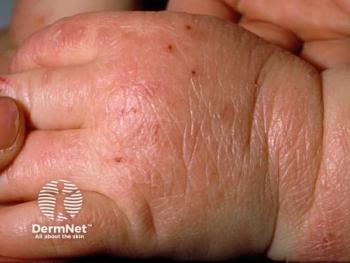
TRAPEDS-1 met its primary pharmacokinetic objective in children aged 6 to 11 years with moderate to severe atopic dermatitis, with no new safety signals over up to 172 weeks of tralokinumab treatment.

Recapping 5 practice-changing FDA decisions from the first half of 2026, including icotrokinra, expanded pediatric indications, and more!
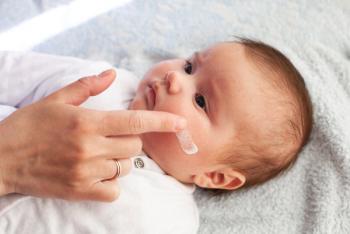
The FDA accepted Arcutis' supplemental NDA seeking to expand roflumilast cream 0.05% to infants aged 3 months to younger than 2 years with mild to moderate AD.
Christopher Bunick, MD, PhD, discusses the FDA's expanded approval of roflumilast cream 0.3% for plaque psoriasis in children as young as 2 years of age.
The approval expands the existing indication for adults and children down to age 6, includes intertriginous areas, and removes restrictions on duration of use.

Andrew Krakowski, MD, encourages involving both caregivers and children in treatment decisions, giving young patients a sense of ownership that can significantly improve adherence.
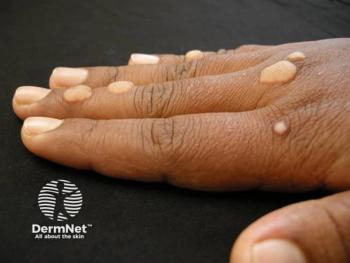
Verrica Pharmaceuticals and Japanese partner Torii Pharmaceutical have each dosed a first patient in COVE-3, the second pivotal phase 3 trial testing Ycanth for common warts.
Peter Lio, MD, explains how shared decision-making and newer nonsteroidal topicals and systemic options are reshaping pediatric eczema care, easing steroid worries.
Advertisement
Advertisement
Trending on Dermatology Times
1
EADV 2026 Day 1: Late-Breaking Data, Emerging Therapies, and New Directions in Dermatology
2
Nearly 95% of Viral Korean Skincare TikTok Videos Contain Misleading Claims
3
Tulisokibart Meets Primary Endpoint in Phase 2b Hidradenitis Suppurativa Trial
4
Nemolizumab Sustains Atopic Dermatitis Responses Through 3 Years in ARCADIA
5