





Atopic Dermatitis
Latest News
Advertisement
Video Series
Latest Videos







Shorts

1:20
It Takes a Village: How Clinicians Can Support Patients With TSW
2 months ago
by
Renata Block, DMSc, MMS, PA-C(+1 more)

0:53
Minimal Adverse Events Associated With Tapinarof Cream
2 months ago
by
Linda Stein Gold, MD

0:41
The Dangers of Decreasing Injection Frequency Too Fast
2 months ago
by
Jennifer Soung, MD

0:47
Why Patient Stratification Matters in Clinical Trials
3 months ago
by
Bradley Burnam

0:28
Rethinking First-Line Treatment for Atopic Dermatitis
3 months ago
by
David Cotter, MD, PhD

2:18
What AbbVie’s Acquisition of Apogee Means for AD Treatment
3 months ago
by
Christopher G. Bunick, MD, PhD

0:42
When Patients Fear Their AD Medication
3 months ago
by
Mona Shahriari, MD, FAAD

0:35
The Myths Surrounding Food Allergies and Atopic Dermatitis
3 months ago
by
Jennifer Soung, MD

0:59
Why Chronic Hand Eczema is More Than Just an Itch
3 months ago
by
David Rosmarin, MD

0:57
Soquelitinib May Offer New Oral Treatment for Patients With AD
4 months ago
by
Albert Chiou, MD, MBA


Advertisement
More News

The investigational anti–IL-13 monoclonal antibody could change how dermatologists think about biologic dosing in moderate to severe AD.

MotherToBaby launched a pregnancy study to address limited safety data for lebrikizumab use in patients with atopic dermatitis.

Preclinical data show GX-03 reduced IL-31 by nearly 68% and dermatitis severity by 66% in a murine model of atopic dermatitis.

Judson Brewer, MD, PhD, discussed how the trigger-behavior-result habit loop model can be applied to itch-scratch cycles in atopic dermatitis.
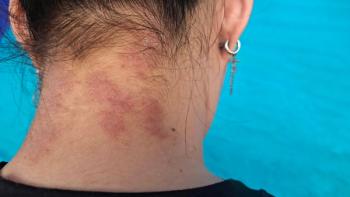
According to new research, AI reads real-world smartphone photos to score 4 eczema severity signs, boosting EASI training accuracy and reducing rater variability.

At a Dermatology Times Case-Based Roundtable in Las Vegas, Nevada, clinicians compared topical corticosteroids, newer nonsteroidal agents, and systemic therapy across adult and adolescent AD cases.

AAD guidelines strongly recommend roflumilast, ruxolitinib, and tapinarof, expanding steroid-sparing options for pediatric atopic dermatitis.

Elevate-Derm expert panel offers practical JAK inhibitor pearls on cholesterol, comorbid autoimmune disease, and shared decision-making.

RAD 2026 experts unpacked new IL-13, JAK, STAT6 and OX40 options, CHE and pediatric gaps, plus overlooked comorbidities shaping AD care.
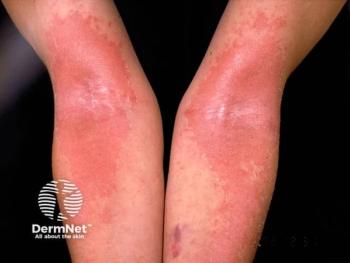
Phase 1 results show Bambusa Therapeutics’ BBT001 quickly reduces atopic dermatitis and itch, sustains type 2 biomarker suppression, and may enable quarterly dosing.

Sanofi will not submit the OX40-ligand antibody for regulatory review, citing efficacy and safety data insufficient to improve upon current standard-of-care treatments for moderate to severe AD.

In this episode, Renata Block, DMSCc, MMS, PA-C, discusses the new ICD-10 code for topical steroid withdrawal with Kelly Barta, the president and executive director of the International Topical Steroid Awareness Network.
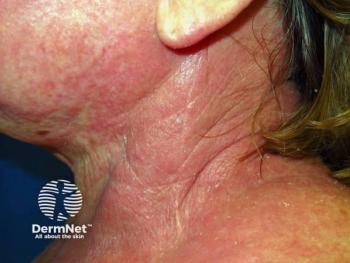
Real-world TARGET-DERM data show switching to upadacitinib boosts skin clearance, itch relief and quality of life for tough atopic dermatitis.
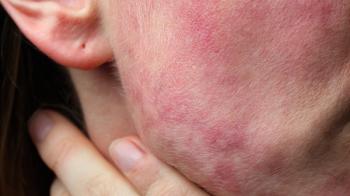
IEC modified Delphi process establishes standardized treatment targets for atopic dermatitis
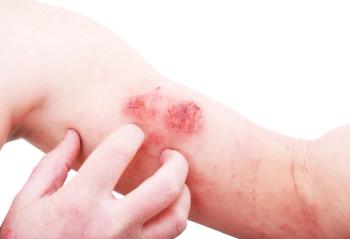
New phase 3 data show oral TYK2 inhibitor soficitinib improves moderate-to-severe atopic dermatitis, easing itch with no new safety signals.
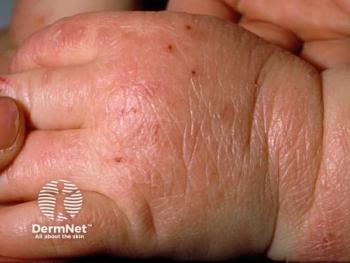
TRAPEDS-1 met its primary pharmacokinetic objective in children aged 6 to 11 years with moderate to severe atopic dermatitis, with no new safety signals over up to 172 weeks of tralokinumab treatment.

The FDA accepted Arcutis' supplemental NDA seeking to expand roflumilast cream 0.05% to infants aged 3 months to younger than 2 years with mild to moderate AD.

Bradley Burnam, founder and CEO of Turn Therapeutics, discussed interim phase 2 trial findings showing GX-03 efficacy across a broader range of EASI severity scores in atopic dermatitis.
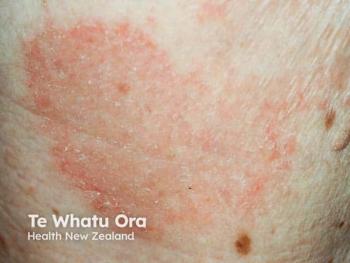
Turn Therapeutics finalized its stage 2 trial design after interim data showed clinically meaningful GX-03 efficacy in patients with baseline EASI scores as low as 1.1.

Roman Bronfenbrener, MD, discusses how AI-generated patient diagnoses are reshaping dermatology visits and creating new challenges.
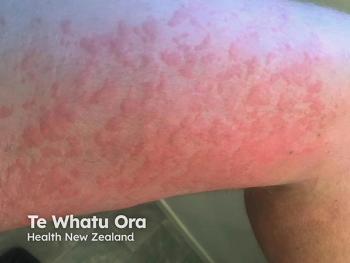
Evommune's EVO756 failed to meet the primary end point in a phase 2b trial for chronic spontaneous urticaria, prompting the company to discontinue development for the indication while continuing studies in atopic dermatitis.
Raj Chovatiya, MD, PhD, MSCI, co-chair of RAD 2026, highlighted new AD science, type 2 inflammation insights, and emerging therapies—helping clinicians translate immunology advances into better patient care.
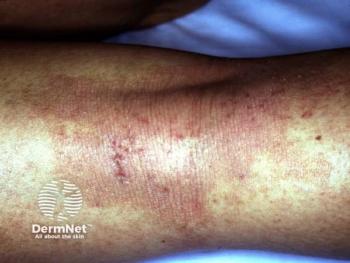
Kymera Therapeutics finished enrollment in its phase 2b BROADEN2 trial of KT-621 nearly six months early, moving up topline AD data to year-end 2026.

Expert guidance from RAD 2026 dispels eczema diet myths, urging symptom-based allergy testing and whole-patient atopic dermatitis care with practical skin, sleep, and lifestyle strategies.
Discover how JAK inhibitors reshape AD care with rapid relief, smart safety screening, and emerging personalized strategies that guide real-world treatment choices.
Advertisement
Advertisement
Trending on Dermatology Times
1
FDA Approves Baricitinib for Adolescents With Severe Alopecia Areata
2
Dr. Charrow Highlights Earlier Biologic Use and Deroofing in Hidradenitis Suppurativa
3
Tremfya Meets Primary, Major Secondary Endpoints in Phase 4 STAR Study of Axial PsA
4
From Mechanism to Management: Navigating Male Pattern Hair Loss and New Topical Therapies
5