

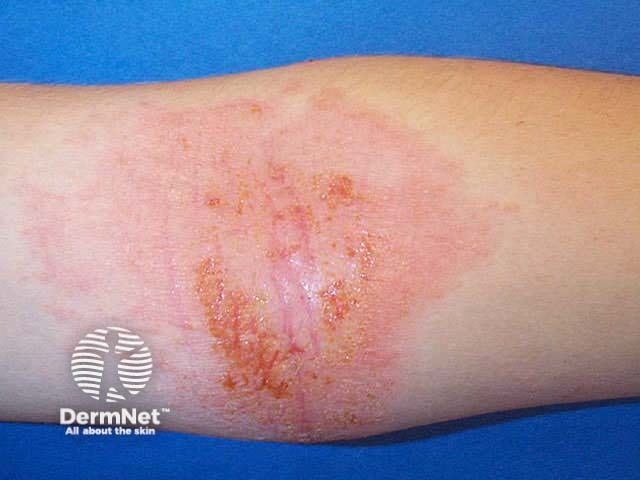
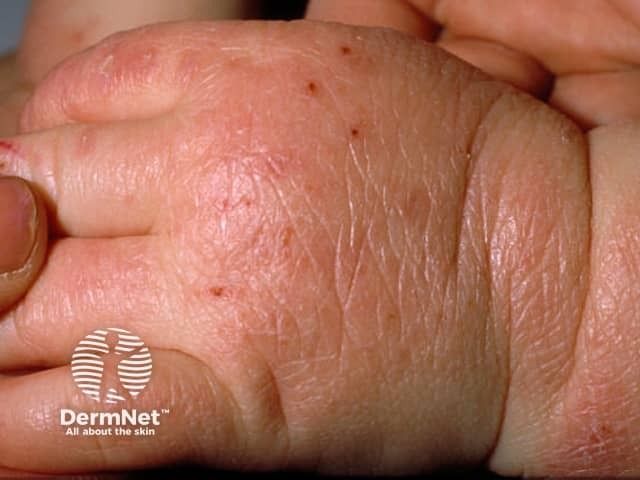

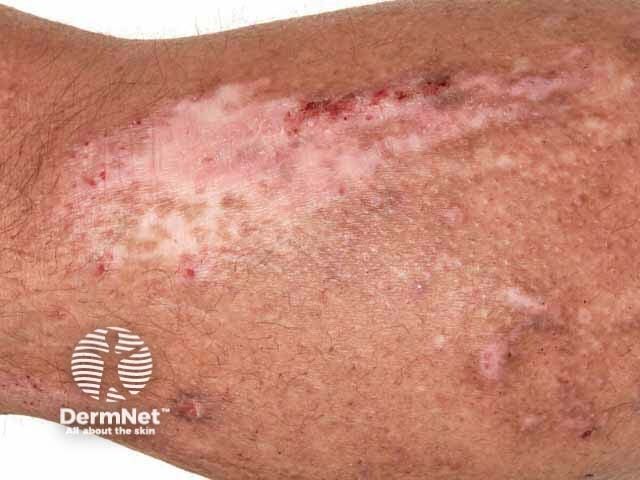


Atopic Dermatitis
Latest News
Advertisement
Latest Videos








Advertisement
More News

Omar Noor, MD, shares pearls on type 2 inflammation, including dupilumab insights for atopic dermatitis, prurigo nodularis, and CSU at Horizons in Advanced Practice.

Rocatinlimab had met primary end points in large phase 3 trials and was previously expected to move toward regulatory submission in 2026.
The double-blind, randomized, placebo-controlled ARQ-234-131 study will assess safety, tolerability, pharmacokinetics, and early signs of clinical activity.

At Winter Clinical Miami 2026, April Armstrong, MD, MPH, spotlights new pediatric topicals and JAK safety insights, plus targeted options for head-and-neck atopic dermatitis.
Mark Lebwohl, MD, shares his Winter Clinical Miami 2026 highlights, including oral psoriasis peptides, atopic dermatitis advances, GLP-1 combos, and more.

More than 57% of patients with ACD reported moderate to severe quality-of-life impairment, with symptoms and embarrassment among the most affected areas.
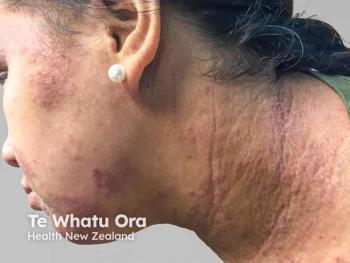
Castle Biosciences’ AdvanceAD-Tx test stratifies patients by molecular profile, identifying patients more likely to achieve faster and deeper responses with JAKs compared with Th2-targeted treatments.

A post hoc analysis found that abrocitinib provided faster itch relief than dupilumab in adults with itch-dominant atopic dermatitis.

In pivotal studies, significantly more patients achieved clear or almost clear skin after 4 weeks of twice-daily difamilast compared with vehicle.

Targeting IL-4 and IL-13 signaling with dupilumab has demonstrated significant reductions in total and food-specific IgE in pediatric AD populations.

Investigators identified overlap between the blood immune profiles of patients with depression and inflammatory skin diseases, highlighting the Th2 axis as a potential treatment target.
The consensus summarizes contemporary real-world data showing that nearly 1 in 5 adolescents and adults with atopic dermatitis receive systemic corticosteroids.
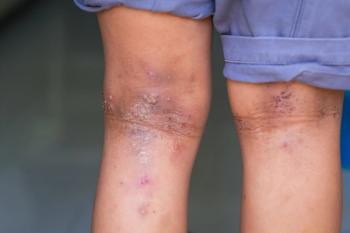
REZOLVE-AD shows rezpegaldesleukin delivers durable atopic dermatitis control with monthly or quarterly dosing, supporting Nektar’s phase 3 plans.

A new molecular test offers clinicians a way to personalize treatment for moderate to severe atopic dermatitis and reduce therapeutic cycling, helping to achieve faster control and a better experience for patients.

Bispecific and trispecific biologics are being developed to achieve deeper clearance and more meaningful symptom relief.
At South Beach Symposium 2026, Mona Shahriari explores OX40/OX40L therapies for atopic dermatitis.
David Cotter, MD, PhD, underscored the importance of incorporating quality-of-life and mental health measures into psoriasis clinical trials.

At MOPD 2026, Nanette Silverberg, MD, and Lisa Swanson, MD, unpack teen AD, fragrance allergy, and social media skin care hype harming barriers.
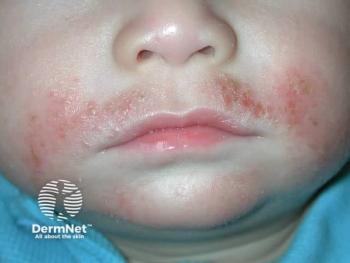
Arcutis reveals promising phase 2 results for roflumilast cream in infants with AD, highlighting safety and potential efficacy.

Kyowa Kirin takes full control of rocatinlimab, aiming to address unmet needs in atopic dermatitis while ensuring continuity in clinical trials.

A phase 2 trial reveals soficitinib's potential to significantly improve symptoms and quality of life in patients with moderate to severe AD.
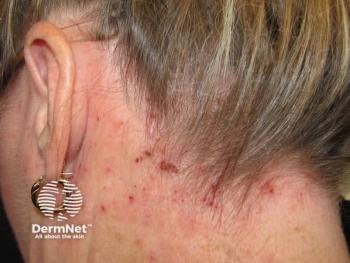
Amlitelimab shows promise as a long-term therapy for atopic dermatitis (AD), offering effective results and favorable safety in recent clinical trials.
Switching from dupilumab to upadacitinib significantly improves skin clearance and itch in patients with moderate to severe atopic dermatitis (AD).
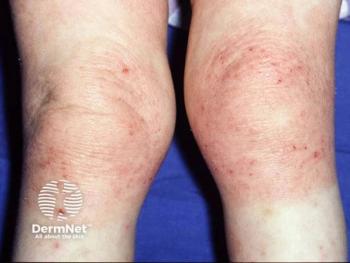
Atopia Therapeutics advances ATP-R13 as a promising oral therapy for atopic dermatitis (AD), showing significant efficacy and enhanced patent protection.

An educational smartphone app significantly reduced atopic dermatitis relapse in children, enhancing caregiver engagement and timely intervention.
Advertisement
Advertisement
Trending on Dermatology Times
1
FDA Approves Baricitinib for Adolescents With Severe Alopecia Areata
2
Dr. Charrow Highlights Earlier Biologic Use and Deroofing in Hidradenitis Suppurativa
3
From Mechanism to Management: Navigating Male Pattern Hair Loss and New Topical Therapies
4
Tremfya Meets Primary, Major Secondary Endpoints in Phase 4 STAR Study of Axial PsA
5