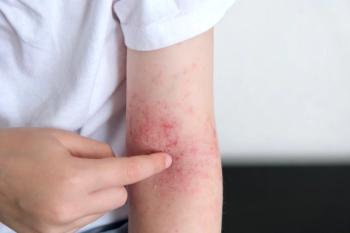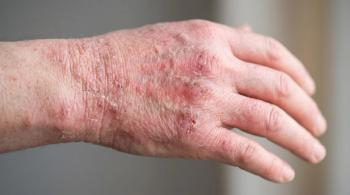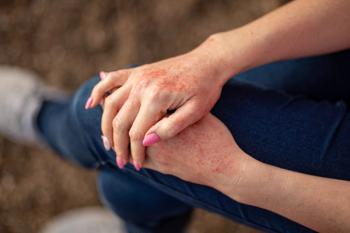
SYX-5219 improved disease severity and itch in a Phase 1b trial of adults with moderate to severe atopic dermatitis.
Matthew Zirwas, MD, rethinks AD as environmentally acquired barrier dysfunction, sharing psychodermatology itch strategies and highlighting patient-centered communication.
In the latest episode of
Zirwas reflected on the curiosity that has shaped his career, emphasizing the importance of continually asking “why” when evaluating both research and patient care. Drawing from years of experience in patch testing and inflammatory dermatoses, he challenged several long-held assumptions in dermatology, particularly the concept that AD is primarily an inherited disorder. Instead, he proposed that many cases may represent an “acquired” barrier dysfunction driven by modern environmental exposures, including air pollution, hard water, frequent bathing, and chemical exposures. According to Zirwas, these factors may contribute to epigenetic changes that impair the skin barrier and promote immune dysregulation.
The conversation also explored the overlap between AD and allergic contact dermatitis. Zirwas suggested that contact dermatitis may sometimes be overdiagnosed in patients whose underlying disease is actually environmentally triggered AD. He described seeing patients improve dramatically with biologic therapy despite incomplete allergen avoidance, reinforcing his belief that acquired barrier dysfunction plays a larger role than previously appreciated.
A major focus of the episode centered on psychodermatology and chronic itch management. Zirwas discussed his use of mirtazapine for nocturnal pruritus, highlighting its antihistaminic properties and relatively favorable safety profile compared with older sedating agents such as hydroxyzine or diphenhydramine. He noted that lower doses may be more effective for itch and sleep because antihistamine activity peaks around 15 mg, while higher doses exert more activating antidepressant effects. He also stressed the importance of framing these medications appropriately for patients to reduce stigma surrounding antidepressants and improve adherence overall.
Throughout the discussion, Zirwas emphasized the value of communication, empathy, and patient-centered education. He encouraged clinicians to remain intellectually curious, question dogma, and consider the broader psychosocial and environmental factors contributing to inflammatory skin disease. He also shared some recommendations for dermatology education resources, including his podcast,