



Conference Coverage
about 16 hours ago
The Value of Networking and Education for Dermatology NPs and PAsLatest News
Videos


Advertisement
Shorts
1:10
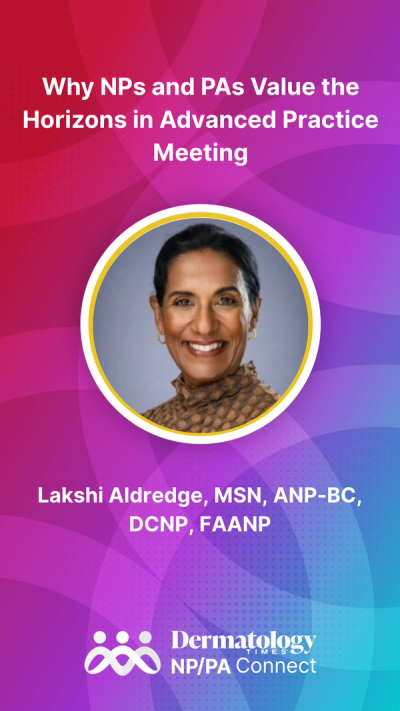
Why NPs and PAs Value the Horizons in Advanced Practice Meeting
15 hours ago
by
Lakshi Aldredge, MSN, ANP-BC
1:40
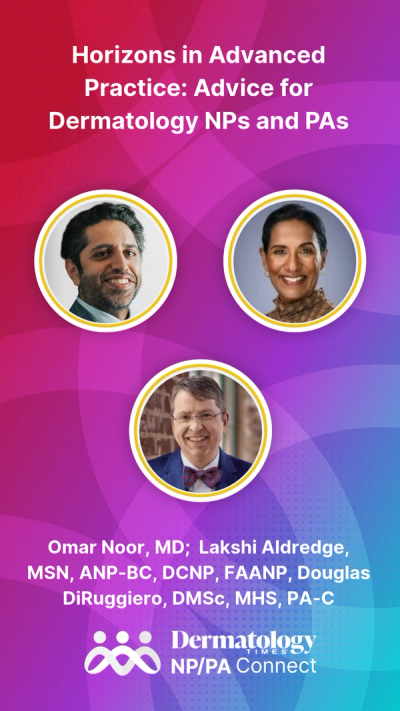
Horizons in Advanced Practice: Advice for Dermatology NPs and PAs
2 days ago
by
Omar Noor, MD, FAAD(+2 more)

1:02
Lessons From Horizons in Advanced Practice
3 days ago
by
James Canner, PA-C
0:30
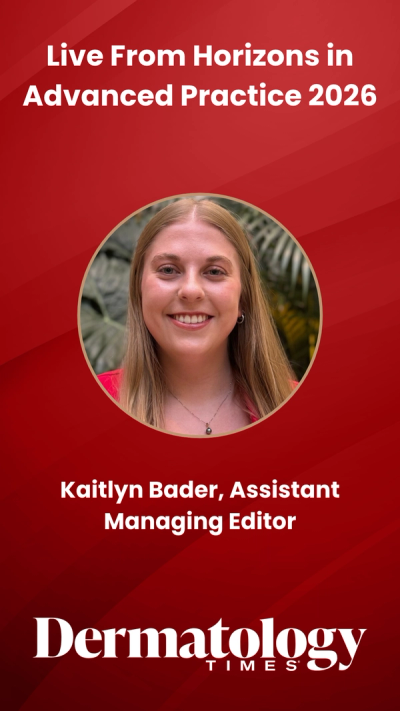
Live From Horizons in Advanced Practice 2026
4 days ago
by
Kaitlyn Bader, Assistant Managing Editor
0:27
Dermatology Times: Education for the Busy Clinician
4 days ago
by
Aaron S. Farberg, MD

1:12
Four Expert Tips From Fall Clinical 2026
5 days ago
by
Kaitlyn Bader, Assistant Managing Editor
0:32
Reassuring Safety Data for JAK Inhibitors
15 days ago
by
Christopher G. Bunick, MD, PhD
0:38
A New Approach to Managing Actinic Keratoses
16 days ago
by
Neal Bhatia, MD
0:34
Do You Have These Symptoms? Early Signs of Psoriatic Arthritis
16 days ago
by
Adam Friedman, MD, FAAD(+1 more)

0:43
How to Pick the Right Psoriasis Treatment
17 days ago
by
Andrew Blauvelt, MD, MBA(+1 more)
GEP-Guided Treatment for Melanoma & SCC Management

New Insights in Management of Moderate Hidradenitis Suppurativa

Discover Dermatology Times NP/PA Connect™!

Personalizing Treatment for Difficult Atopic Dermatitis Cases

Connect With Dermatology Times® Wherever You Scroll






Dermatology Times Digital Edition

Experts discuss the Delphi consensus statement, which emphasizes early treatment and prioritizes JAK inhibitors as first-line therapy for adults with severe AA.

Explore trending plant oils in skincare and haircare, plus 2026’s hottest actives like ectoin and hypochlorous acid—balancing glow, barrier repair, and irritation risks.
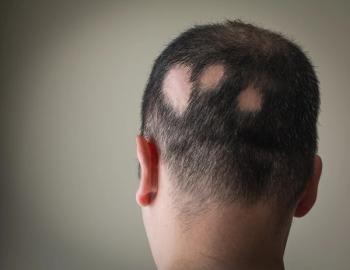
The September issue highlights advances in alopecia areata, cosmetic SPF, psoriasis treatment, teledermatology, and atopic dermatitis.
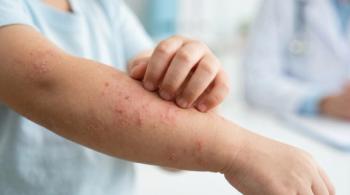
SPD 2026 highlighted advances in pediatric dermatology spanning textured hair care, vitiligo, vascular anomalies, mental health, genetics, and collaborative care.
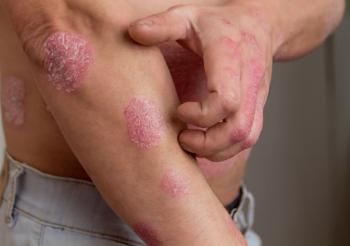
Tina Bhutani-Jacques, MD, explored how disease location, prior treatment response, and patient preference shape topical treatment decisions across 3 plaque psoriasis cases.
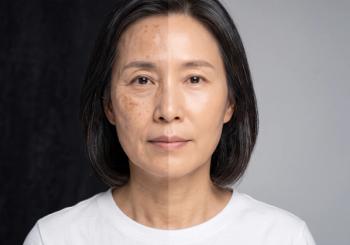
Dermatology’s growing focus on skin longevity demands clear definitions, validated outcomes, and rigorous evidence beyond anti-aging claims.
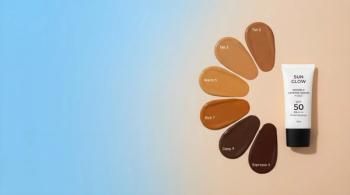
Though convenient, SPF-infused cosmetics rarely deliver their labeled protection level in real-world use, underscoring the continued need for a dedicated broad-spectrum sunscreen as the foundation of any routine.

Clinicians can bridge the gap between online trends and evidence-based outcomes by leveraging patient curiosity, emphasizing ingredient transparency, and delivering personalized in-office care.
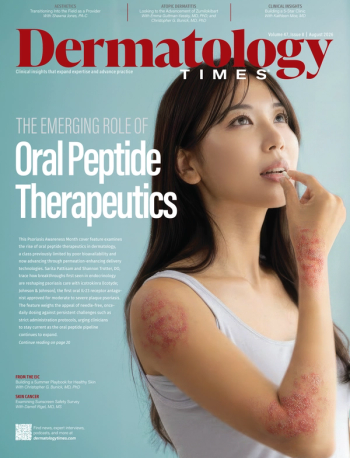
Learn more about the in-depth topics covered in the August 2026 issue of Dermatology Times.
Experts map referral pathways and team-based immunotherapy care for advanced cutaneous squamous cell carcinoma, tackling toxicity and follow-up gaps.
Continuing Medical Education



All News
Advertisement
Advertisement
Explore trending plant oils in skincare and haircare, plus 2026’s hottest actives like ectoin and hypochlorous acid—balancing glow, barrier repair, and irritation risks.

Houston dermatology clinicians compared severity scoring, JAK inhibitor safety data, and psychosocial counseling strategies across 3 alopecia areata patient cases.

Preview the trial data dermatology NPs and PAs will dissect in small-group sessions on AD, psoriasis, and type 2 disease at Horizons in Advanced Practice.
The September issue highlights advances in alopecia areata, cosmetic SPF, psoriasis treatment, teledermatology, and atopic dermatitis.

Phase 3 data show intismeran plus pembrolizumab reduced recurrence or death risk by 42% in patients with resected stage IIB-IV melanoma.
The 3rd annual meeting in Atlanta gives dermatology NPs and PAs 4 case-based breakout sessions and a general education session in a focused, small-group setting.

Shannon Trotter, DO, moderated a Dermatology Times Case-Based Roundtable event on how pharmacokinetics, adverse event timing, and trial response criteria should shape hedgehog pathway inhibitor selection in advanced BCC.
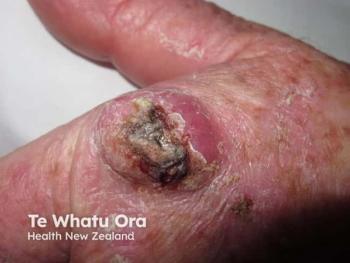
Cosibelimab-ipdl is now an NCCN Category 2A option for locally advanced CSCC in patients ineligible for curative surgery or radiation.

Lutikizumab significantly improved HiSCR75 response, pain, and disease flares in adults and adolescents with moderate to severe HS.
SPD 2026 highlighted advances in pediatric dermatology spanning textured hair care, vitiligo, vascular anomalies, mental health, genetics, and collaborative care.
Advertisement
Tina Bhutani-Jacques, MD, explored how disease location, prior treatment response, and patient preference shape topical treatment decisions across 3 plaque psoriasis cases.
Benjamin Ungar, MD, moderated a recent Dermatology Times Case-Based Roundtable event on how to define severity, choose among JAK inhibitors, and monitor patients with alopecia areata.

Clinicians at a Dermatology Times Case-Based Roundtable, moderated by Chesahna Kindred, MD, debated when to escalate to oral JAK inhibitors for alopecia areata and how to counsel patients on timing, monitoring, and safety.
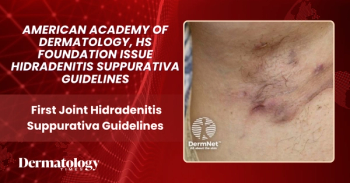
The joint AAD-HSF guideline issues 37 recommendations, including strong support for adalimumab, bimekizumab, infliximab, and secukinumab.
Two-year oral IL-23 data, GLP-1 biomarker findings, and a nonsurgical option for superficial basal cell carcinoma headline the sessions covered in Las Vegas.
Advertisement
Advertisement
Trending on Dermatology Times
1
ORKA-001 Achieves 61% Complete Skin Clearance in Psoriasis
2
Type 2 Inflammation, Growth Curve, and HS Guidance for Advanced Practice
3
FDA Accepts IND for Injectable rhPDGF-BB in Under-Eye Hollowing
4
Social Media Mythbusters: Can Face Taping Really Prevent Wrinkles?
5