


Opinion|Videos|October 3, 2024
Challenges and Successes in Photodynamic Therapy
Author(s)Brad Glick, DO, MPH
Brad Glick, DO, MPH, discusses common challenges clinicians may encounter with photodynamic therapy (PDT) and offers resolution strategies, while also sharing insights on the skin conditions and patient populations where PDT has proven to be a successful treatment option.
Advertisement
Episodes in this series


Video content above is prompted by the following:
- What are a couple of common challenges clinicians can expect to face with PDT and how can they resolve them?
- In your experience, in which skin conditions or patients has PDT been a successful treatment option?
Advertisement
Related to this article
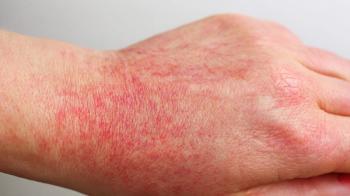
Atopic dermatitis care is evolving with flexible biologic dosing, expanded pediatric options, and novel oral, topical, and systemic therapies.
Updated SKYRIZI labeling allows clinicians to use clinical judgment when determining the need for TB evaluation before treatment.

Experts outline how to recognize undertreated psoriasis, assess incomplete response, and make individualized decisions when escalating therapy.

ATI-052 improved disease severity and itch in a phase 1b trial of patients with severe atopic dermatitis, with no grade 3 or 4 adverse events.
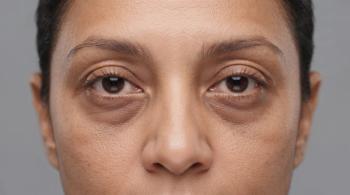
LRM will evaluate injectable rhPDGF-BB as a regenerative approach to infraorbital hollowing in a randomized phase 2b trial.
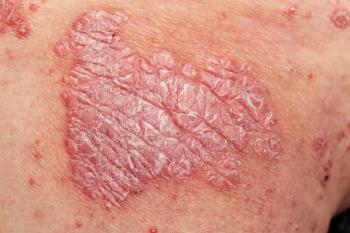
ORKA-001 achieved PASI 100 in 61% of high-dose patients at week 16 in the phase 2b EVERLAST-B trial of moderate-to-severe psoriasis.

Put your dermatology expertise to the test with Dermatology Times’ interactive quiz series.
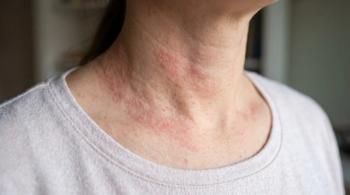
Stratman discusses individualized eczema care, expanding treatment options, and the potential of precision medicine to guide therapy.
Advertisement
Advertisement
Trending on Dermatology Times
1
How Approvals, Setbacks, and a Crowded Pipeline Are Reshaping the AD Treatment Landscape
2
ATI-052 Shows Rapid Improvements in Atopic Dermatitis
3
ORKA-001 Achieves 61% Complete Skin Clearance in Psoriasis
4
FDA Revises TB Evaluation Guidance for SKYRIZI
5