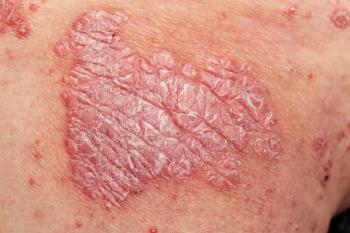
ORKA-001 achieved PASI 100 in 61% of high-dose patients at week 16 in the phase 2b EVERLAST-B trial of moderate-to-severe psoriasis.
LRM will evaluate injectable rhPDGF-BB as a regenerative approach to infraorbital hollowing in a randomized phase 2b trial.
The FDA has accepted Lynch Regenerative Medicine’s (LRM) investigational new drug (IND) application for a phase 2b clinical trial evaluating injectable recombinant human platelet-derived growth factor-BB (rhPDGF-BB) in adults with infraorbital hollowing (IOH).
The multicenter, randomized, dose-ranging study is expected to evaluate the safety, tolerability, and preliminary efficacy of rhPDGF-BB injection in up to 75 participants, according to LRM. The study represents an effort to investigate a regenerative approach to infraorbital hollowing that aims to stimulate the patient’s own tissue rather than provide volume through a traditional dermal filler.
“PDGF is platelet-derived growth factor, and just as the name implies, it is found naturally in everybody’s body,” Samuel Lynch, DMD, DMSc, founder and CEO of Lynch Regenerative Medicine, told Dermatology Times. “It is the body’s most important key wound-healing catalyst.”
The main differentiator here…is that our procedure with the pure PDGF is not injecting something artificial to fill a void, Lynch said. It’s helping your body regenerate and rejuvenate your own tissue under the eye. — Samuel Lynch, DMD, DMSc
PDGF is released from platelets at sites of injury and plays a role in signaling and coordinating the wound-healing response. Lynch explained that this process contributes to collagen production, extracellular matrix formation, and endogenous hyaluronic acid production.
LRM produces rhPDGF-BB designed to be identical to naturally occurring human PDGF. The growth factor has previously been investigated and used across other therapeutic settings, including wound healing and periodontal and orthopedic applications.
The company is now studying whether the regenerative activity of rhPDGF-BB can be applied to
“We wanted to develop more medically oriented products in aesthetic medicine, like we have done in other fields of medicine as well,” Lynch said.
LRM currently markets ariessence pure PDGF+ as a topical cosmetic product containing rhPDGF-BB and hyaluronic acid. However, the injectable rhPDGF-BB formulation being evaluated for infraorbital hollowing is a separate investigational clinical program and has not been approved by the FDA for this use.
Hyaluronic acid fillers are commonly used to address
“The main differentiator here…is that our procedure with the pure PDGF is not injecting something artificial to fill a void,” Lynch said. “It’s helping your body regenerate and rejuvenate your own tissue under the eye.”
Whether that proposed
According to LRM, primary endpoints will include safety and improvement on the Canfield Infraorbital Hollowing Scale at 12 weeks. Additional assessments will examine pharmacokinetics, immunogenicity, validated patient-reported outcomes, and quantitative imaging of the infraorbital area.
Standardized photography will also be used to compare pretreatment and posttreatment appearance.
“We’re studying, obviously, the appearance—improved appearance of the infraorbital hollowing and the skin quality there,” Lynch said. “We’re also looking at a variety of other safety and effectiveness measurements as well, so we get a really robust, holistic view.”
Lynch emphasized that the trial will also characterize adverse events and determine whether outcomes vary according to injection technique or patient characteristics.
Potential events of interest include bruising, swelling, and contour irregularities such as lumps or bumps. Investigators are also expected to explore technical variables including injection depth and the use of a needle versus cannula.
“Not only do they occur, but do they occur more or less frequently in certain populations?” Lynch said. “Trying to understand who can benefit the most, and with certain techniques of injection of the PDGF.”
Although rhPDGF-BB has a history of therapeutic use in other medical indications, its injectable use for infraorbital hollowing remains investigational. Lynch said this distinction is particularly important as interest grows in regenerative aesthetics and biologically based treatments.
“This is in some ways not a new therapy. It is new to aesthetic medicine, but it’s not new to wound healing,” he said.
The phase 2b study is expected to begin enrollment in the coming weeks. The findings will help determine the safety and efficacy of injectable rhPDGF-BB for infraorbital hollowing and provide additional evidence on whether regenerative growth factor–based approaches could eventually offer another option for patients seeking treatment of age-related changes in the tear trough region.
References