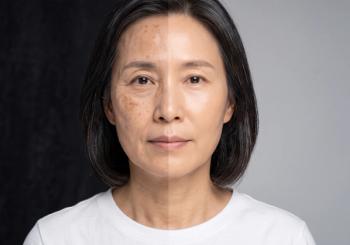
Dermatology’s growing focus on skin longevity demands clear definitions, validated outcomes, and rigorous evidence beyond anti-aging claims.
Explore trending plant oils in skincare and haircare, plus 2026’s hottest actives like ectoin and hypochlorous acid—balancing glow, barrier repair, and irritation risks.
Cosmetic ingredients go in and out of fashion just like colors and designs. The skin and hair care industry thrives on new products with new ingredients utilizing new physiologic concepts as their scientific basis. This creates excitement and consumer engagement but also results in challenges for dermatologists trying to stay on top of these new formulations.
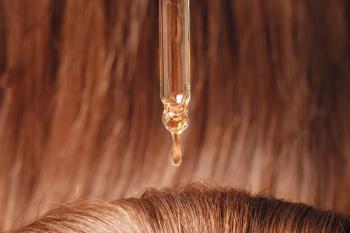
The desire to manufacture natural skin and hair care products has resulted in an increase in the use of plant oils. These oils may be derived from the stems, leaves, flowers, or seeds of plants, with the oils acting as occlusive agents to decrease transepidermal water loss (TEWL) and create an optimal environment for barrier repair. Plant oils may also contain a variety of anti-inflammatory/antioxidant substances with anti-aging properties.
One of the biggest concerns regarding skin plant oil application is comedogenicity. Olive oil is a potent comedogen and is found in hair pomades designed to moisturize kinky natural hair. Another comedogenic plant oil is coconut oil, which also has antibacterial and anti-inflammatory properties, making it a common ingredient in
Other plant oils, such as argan oil, commonly used in leave-in hair conditioners, are noncomedogenic. Argan oil is obtained from the kernels of the fruit of the argan tree, which only grows in southwestern Morocco. The greasy expensive oil is very high in vitamin E and fatty acids. Jojoba oil is also noncomedogenic and has fatty acids similar in composition to human sebum. It, too, is used in leave-in hair conditioning products.
A variety of plant oils used in skin care are derived from seeds, including sunflower, grape, and chia seed oil. Sunflower seed oil is high in linoleic acid (omega-6), which is an essential fatty acid that must be consumed in the diet for the body to make the conversion to arachidonic acid and gamma-linolenic acid. Essential fatty acid deficiency may present as an eczematous condition, thus sunflower oil is placed in
Plant oils can also come from flowers. For example, lavender oil comes from the flower of the lavender plant now primarily grown in France and Bulgaria. Lavender oil is a potent anti-inflammatory/antioxidant and is found in natural preparations for sunburn and
Some less familiar oils that appear in skin care products include baobab oil and sea buckthorn oil. Both oils are rich in omega-3, omega-6, omega-7, and omega-9 fatty acids. Omega-7 is palmitoleic acid and omega-9 is oleic acid, which can be manufactured by the body and are therefore not essential. Baobab oil is derived from the African Baobab tree, which is also known as the tree of life, because it contains vitamins A, C, and E. Sea buckthorn oil is derived from the berries, seeds, and leaves of a deciduous shrub found in the mountains and seashore areas of Europe and Asia. The oil is a bright orange and is high in vitamins A, C, and E.
Plant oils may also form the basis for treatments in Ayurvedic and integrative medicine. One such oil for
The number and variety of plant oils available worldwide for inclusion in hair and skin care products is unfathomable. Unfortunately, these oils are
In addition to plant oils, there are other new ingredients making their way into cosmetics. The following are some of the hottest ingredients of 2026.
Ectoin.
Ectoin is placed in many sensitive and compromised skin formulations because it can act as an anti-inflammatory. It is also found in post-procedure skin moisturizers to enhance and speed healing and in post-sun sprays to minimize sunburn. Ectoin is commonly paired with Vitamin C and retinol to decrease irritation. In summary, barrier strengthening products may rely on ectoin to substantiate these claims.
Hypochlorous acid.
Hypochlorous acid is antibacterial, antifungal, and antiviral and thus can normalize the skin microbiome. It is also believed to be anti-inflammatory and thus is used in OTC formulations for rosacea, acne, and eczema.It is used in formulations for cuts and abrasions to prevent infection and encourage healing. Facial toners may incorporate hypochlorous acid along with post-shaving or post-waxing skin sprays. These products are pH balanced between 4.5 and 6.5 to minimize stinging and burning, but this may also decrease the amount of active acid in the product.
Beta-glucan.
Urolithin A. Urolithin A is a new ingredient touted for its beneficial effect on skin longevity. It is a potent antioxidant produced when microbes in the gut act on ellagic acid rich foods, such as nuts and berries. Its most unique effect is touted to be the
Spermidine. Spermidine is a polyamine found in living cells thought to trigger autophagy, which is the process of destroying and removing aging and damaged cells. This process breakdowns aging cells and uses their proteins and other raw materials for the synthesis of new cells. It is the body’s natural renewal process; however, when the process does not proceed efficiently, damaged cellular materials accumulate within the body resulting in aging. Spermidine is found in foods such as soybeans and wheat germ with body levels declining with advancing age. The body naturally produces spermidine. It is now being incorporated into longevity skin care products and touted to stimulate cell renewal,
Zoe Diana Draelos, MD, is a clinical faculty member in the Department of Dermatology at Duke University School of Medicine in Durham, North Carolina; president of Dermatology Consulting Services in High Point, North Carolina; and Dermatology Times’ editor in chief emeritus.