

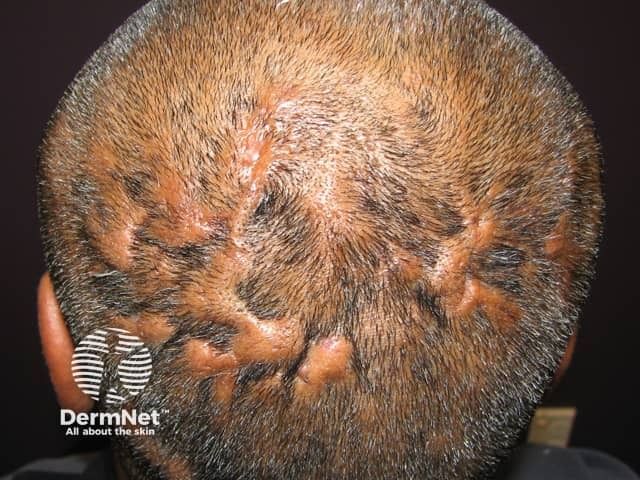
Alopecia
Latest News
Advertisement
Latest Videos





Shorts
0:27
Improving Hair Follicle Function, Safely and Effectively
3 days ago
by
Joshua Zeichner, MD

0:42
It’s Not Just Hair: The Grieving Process
6 days ago
by
Deeann Graham

0:36
How Long Does It Take to See Hair Growth Results?
a month ago
by
Heather C. Woolery-Lloyd, MD

0:18
We Found a 37% Increase In Hair Growth Rate
a month ago
by
Heather C. Woolery-Lloyd, MD
0:48
Extended-Release Oral Minoxidil: A New Hair Loss Milestone
a month ago
by
Jerry Shapiro, MD

0:22
Hair Loss is Often a Symptom, Not the Problem
a month ago
by
Alexandra Richmond, MD
0:29
Stop Believing This Hair Washing Myth
2 months ago
by
Oyetewa Asempa, MD, FAAD

0:45
Why 86% of Patients Reported Feeling Better With This Hair Treatment
4 months ago
by
Maryanne Makredes Senna, MD

0:45
1.5x Better Hair Growth? Extended-Release Oral Minoxidil Explained
4 months ago
by
Maryanne Makredes Senna, MD
1:30
Why Timing Is Everything With Oral Minoxidil for Pattern Hair Loss
5 months ago
by
Christopher G. Bunick, MD, PhD(+1 more)


Advertisement
More News
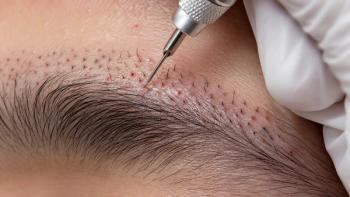
Paul Rose, MD, JD, discusses nonscalp hair transplantation, patient selection, common misconceptions, and the future of hair restoration.

Jennifer Soung, MD, discussed whole-person care for psoriasis and alopecia areata and emerging conversations around skin aging and menopause.
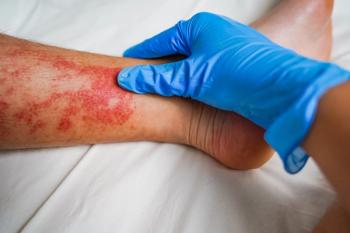
Rezpegaldesleukin improved EASI, itch, and other outcomes in phase 2b REZOLVE-AD, supporting continued phase 3 development.

Jerry Shapiro, MD, explains VDPHL01's cardiac safety profile and patient-reported outcomes in a phase 2 trial for female pattern hair loss.
Lisa Swanson, MD, FAAD, discussed expanding oral JAK inhibitor options for younger children with atopic dermatitis and alopecia areata.
Jerry Shapiro, MD, discusses rapid hair growth and safety findings for oral minoxidil, VDPHL01, in female pattern hair loss.
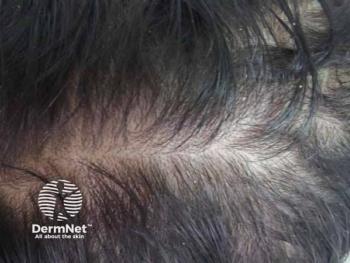
Absci's ABS-201 posts early phase 1 safety and long half-life, while new data show prolactin-receptor blockade may revive hair growth in AGA.

The European Commission greenlights upadacitinib for severe alopecia areata, with phase 3 data showing rapid scalp, brow and lash regrowth; US decision still pending.

Advances in vitiligo, hidradenitis suppurativa, and hair loss were among the key trends Chantel Hillstead, APRN, said APPs should watch.
Lisa Swanson, MD, discussed strategies for counseling patients on JAK inhibitor safety and where she sees the drug class expanding next in a recent Dermatology Times interview.
Victoria Garcia Albea, NP, discussed safety monitoring, patient selection, and laboratory screening considerations for oral JAK inhibitors at Elevate-Derm summer 2026
At Elevate Derm, Lisa Swanson, MD, discussed earlier oral JAK inhibitor use for alopecia areata and selecting appropriate patients.

Catch Up on Coverage From Day 1 of the 3rd Annual Elevate-Derm Summer Conference

Extended-release oral minoxidil candidate VDPHL01 improved hair counts and patient-reported outcomes in women with pattern hair loss in a phase 2 study.
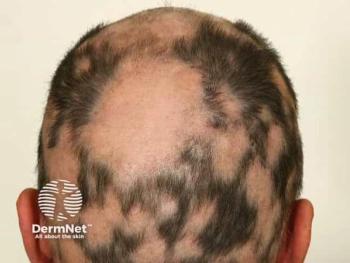
Q32 Bio reported bempikibart reduced SALT scores by 35.3% and produced a SALT-20 response in 40.0% of patients at week 36 in the SIGNAL-AA phase 2a trial.
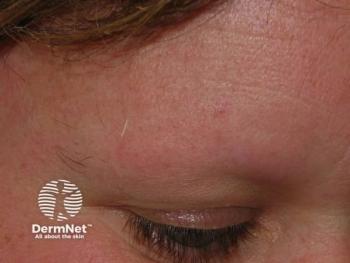
AbbVie's upadacitinib received a positive CHMP opinion for severe alopecia areata as FDA review continues in the US.
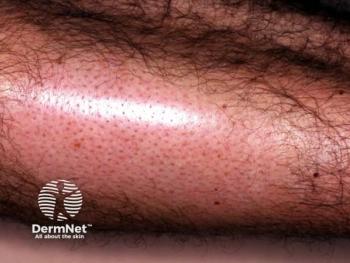
HCW9302 selectively expands Treg cells to suppress autoreactive follicular inflammation without broad immunosuppression.
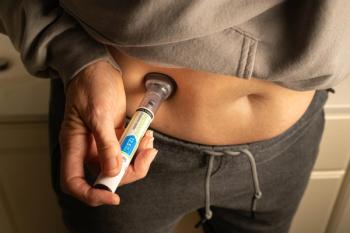
Findings support ongoing pharmacovigilance monitoring of GLP-1 receptor agonists for hair loss, particularly as semaglutide and tirzepatide use continues to expand.

AI analysis of 187,016 menopausal women links hair loss severity to thyroid disease, gut symptoms, scalp inflammation, and genetics, supporting broader diagnostic workups beyond hormones.

Lakshi M. Aldredge, MSN, ANP-BC, DCNP, discusses late-breaking data preseneted at SDNP on novel immune-mediated therapies for atopic dermatitis, alopecia areata, and hidradenitis suppurativa.
Maryanne Makredes Senna, MD, reviews early-onset efficacy, favorable tolerability, and high rates of patient-reported improvement associated with extended-release oral minoxidil data.

Maryanne Makredes Senna, MD, shares why mineral sunscreens matter for patients with frontal fibrosing alopecia, and why reprimanding sun-seekers may be more detrimental to patient care.

Maryanne Makredes Senna, MD, discusses emerging data suggesting extended-release oral minoxidil tablets may improve efficacy while minimizing cardiovascular adverse effects in patients with androgenetic alopecia.
Dermatology Times' editor in chief highlights essential late-breaker data from AAD 2026, including upadacitinib, rezpegaldesleukin, icotrokinra, zasocitinib, envudeucitinib, sonelokimab, and more.

Turmeric and curcumin supplements used for hair loss are increasingly associated with rare but serious cases of liver injury.
Advertisement
Advertisement
Trending on Dermatology Times
1
FDA Approves Baricitinib for Adolescents With Severe Alopecia Areata
2
Tremfya Meets Primary, Major Secondary Endpoints in Phase 4 STAR Study of Axial PsA
3
Alopecia Areata Awareness Month: 2026 in Review
4
From Mechanism to Management: Navigating Male Pattern Hair Loss and New Topical Therapies
5