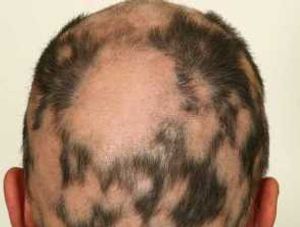
Both regulatory-approved and pipeline treatments for moderate to severe HS demonstrate comparable efficacy and safety, offering hope for patients often dissatisfied with current treatment options.
Both regulatory-approved and pipeline treatments for moderate to severe HS demonstrate comparable efficacy and safety, offering hope for patients often dissatisfied with current treatment options.

LGBTQ+-inclusive language in dermatology enhances patient care, addresses health barriers, and improves outcomes for transgender individuals facing acne challenges.
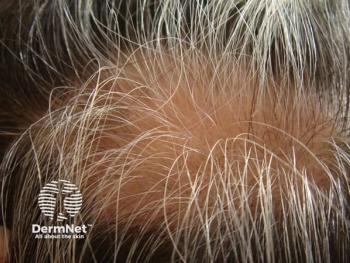
Significant unmet needs were found among high-quality validation studies on the internal structure of PROMs specific to alopecia areata.
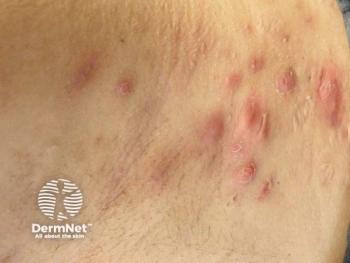
Patients with hidradenitis suppurativa experience knowledge gaps on effective treatments and addressing these gaps could help prevent tissue damage among patients.
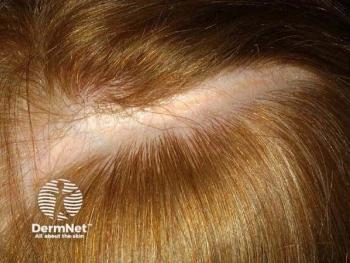
Autologous fat grafting may be able to treat alopecia by controlling inflammation, enhancing symptoms, and boosting hair density.
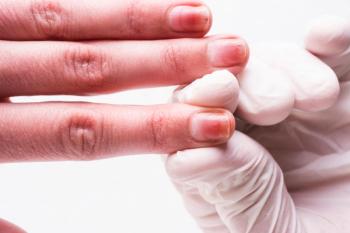
Results showed that the most common nail concerns associated with or independent of hair loss included pitting, ridging, and white spots.
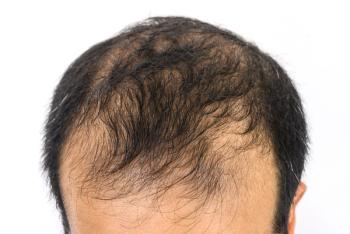
An analysis explored the feasibility of directing attention towards the thyroid receptor β as a pathway for creating novel medications to address androgenetic alopecia.
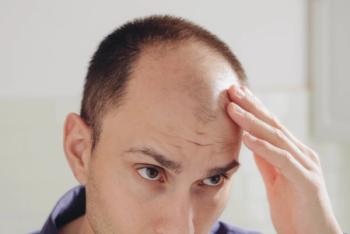
In a recent study, platelet-rich plasma not only increased hair regrowth but also rebalanced the scalp microbiome in patients with AGA.
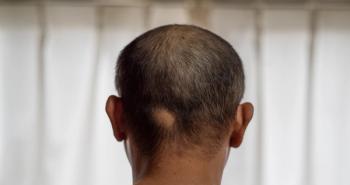
These challenges may exacerbate racial inequities in care access and quality, according to a new study.
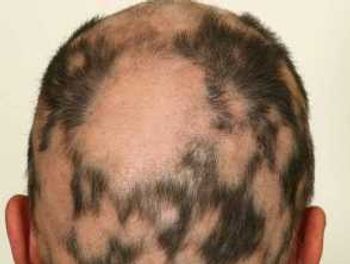
The data suggests that the medication, which targets specific cellular pathways, promotes hair regrowth in AA with minimal adverse effects.
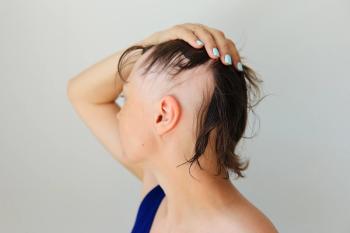
Factors including disease duration, treatment response, and mental health were listed as crucial factors in severity and treatment.
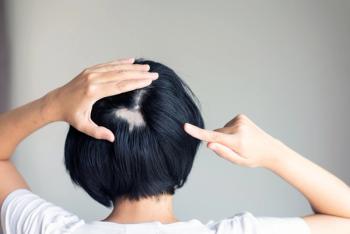
The study found disagreement in perceptions of treatment options and overall disease severity among providers and patients.
Researchers in China reviewed topical modalities, minoxidil solutions, tofacitinib, and microneedling for pediatric AA.
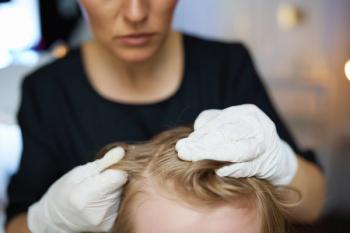
Among dermatologists specializing in pediatric alopecia areata, a survey found that class 1 and 2 topical corticosteroids are the preferred first-line therapy.
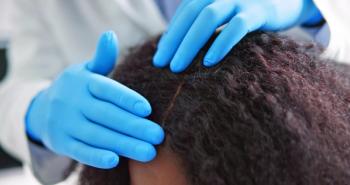
A recent review evaluated the role of camouflage and concealment techniques and their role in improving the well-being of Black women with hair loss.

Alopecia areata is more prevalent in non-White patients, according to findings of a recent study.