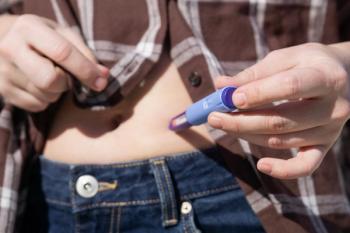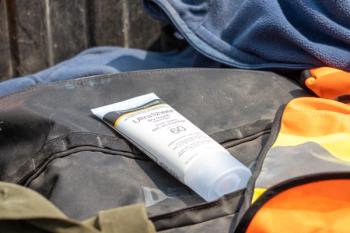
An HS toolbox with wound care, symptom relief, and personal care supplies can help patients stay prepared for unexpected flares.
Explore the long-term efficacy of biologics for HS, highlighting bimekizumab's superior outcomes in managing this chronic condition.
Hidradenitis suppurativa (HS) is a chronic, relapsing inflammatory disorder with onset typically in early adulthood and a prevalence of approximately 1%. The disease course is marked by recurrent inflammatory nodules, abscesses, and draining tunnels that frequently progress to scarring and irreversible tissue damage. Beyond cutaneous involvement, HS is associated with systemic inflammation and a high burden of metabolic and cardiovascular comorbidities, contributing to significant morbidity and reduced life expectancy.1
Management of moderate to severe HS remains challenging and often requires long-term therapy. Several biologic agents are now approved for this population, including adalimumab, secukinumab, and more recently bimekizumab. While these agents have demonstrated efficacy in placebo-controlled trials, direct head-to-head comparisons are not available, particularly for longer-term outcomes beyond the initial induction phase. As a result, clinicians and decision-makers have limited comparative data to inform treatment selection over extended periods.
A recently published analysis addressed this gap by evaluating the longer-term relative efficacy of approved biologic therapies for HS using a matching-adjusted indirect comparison (MAIC). This approach allows for indirect comparisons between treatments when individual patient data (IPD) are available for one intervention but only aggregate data exist for comparators, and when no common control group is available.2
The analysis was informed by a systematic literature review conducted according to PRISMA guidelines, identifying randomized controlled trials evaluating licensed doses of bimekizumab, secukinumab, and adalimumab in adults with moderate to severe HS. Trials were eligible if they reported efficacy outcomes at approximately 1 year (week 48–52). Ultimately, 2 trials of bimekizumab (BE HEARD I and II), 2 trials of secukinumab (SUNRISE and SUNSHINE), and 3 adalimumab studies (PIONEER I, PIONEER II, and an open-label extension) were included.
Because all trials involved treatment switching after the initial placebo-controlled phase, no common comparator was available for long-term follow-up. This necessitated an unanchored MAIC. Individual patient data from the bimekizumab trials were reweighted to match baseline characteristics reported in the comparator trials. Matching variables included age, sex, race, body mass index, smoking status, inflammatory nodule and draining tunnel counts, Hurley stage, and prior biologic use—factors considered clinically relevant and potentially predictive of treatment response.
Efficacy was evaluated using commonly accepted HS outcome measures. These included Hidradenitis Suppurativa Clinical Response (HiSCR), assessed at ≥50%, ≥75%, ≥90%, and 100% reduction in inflammatory nodules and abscesses without worsening of abscesses or draining tunnels. Additional outcomes included improvements in the International Hidradenitis Suppurativa Severity Score System (IHS4), changes in lesion counts, flare rates, and achievement of a minimal clinically important difference in Dermatology Life Quality Index (DLQI). Outcomes were reported using odds ratios or mean differences with 95% confidence intervals.
At weeks 48–52, researchers found bimekizumab demonstrated consistently higher odds of achieving clinical response compared with secukinumab across all HiSCR thresholds and IHS4 outcomes. Patients treated with bimekizumab were also more likely to experience meaningful improvements in quality of life and fewer disease flares. Reductions in inflammatory nodules and draining tunnels generally favored bimekizumab as well.
When compared with adalimumab, bimekizumab was associated with higher likelihood of achieving HiSCR50 and HiSCR75 responses, as well as greater reductions in inflammatory nodule and draining tunnel counts. Differences for more stringent response thresholds, such as HiSCR90, were smaller and not consistently statistically significant, suggesting some overlap in higher-level responses between treatments.
Importantly, bimekizumab maintained favorable efficacy in analyses that included biologic-experienced patients, a group often considered more difficult to treat. Effective sample sizes following population matching remained acceptable, supporting the stability of the comparisons.
Bimekizumab selectively inhibits both IL-17A and IL-17F, cytokines implicated in HS pathogenesis. The findings from this MAIC suggest that dual inhibition may offer more sustained disease control compared with targeting IL-17A or TNF-α alone. From a clinical perspective, the observed improvements in lesion burden, flare reduction, and quality of life are particularly relevant given the chronic and debilitating nature of HS.
However, these findings should be interpreted in light of important limitations. Unanchored MAIC analyses rely on the assumption that all relevant prognostic factors have been adequately matched, and unmeasured differences between trial populations may introduce residual bias. In addition, safety outcomes were not formally compared due to limited and heterogeneous reporting across studies.
This MAIC provides comparative evidence suggesting that bimekizumab may offer greater long-term efficacy than secukinumab and adalimumab in adults with moderate to severe HS. While indirect in nature, the use of patient-level data and established analytical methods offers valuable insight in the absence of head-to-head trials and contributes to informed decision-making in the evolving biologic treatment landscape for HS.
References