


Hidradenitis Suppurativa
Latest News
Advertisement
Latest Videos






Shorts
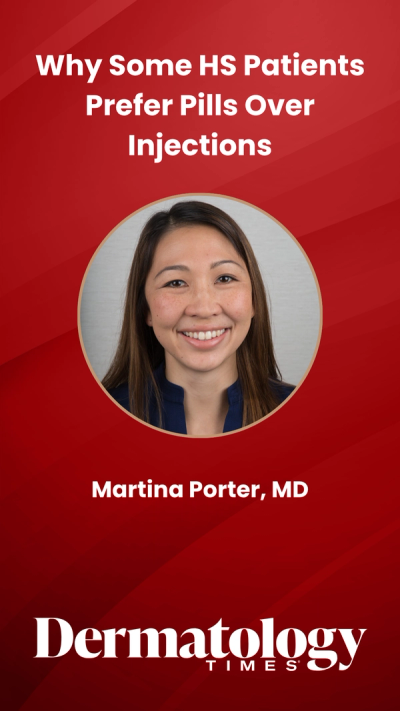
0:40
Why Some HS Patients Prefer Pills Over Injections
3 months ago
by
Martina Porter, MD
0:15
HS is a Marathon, Not a Sprint
3 months ago
by
Martina Porter, MD

0:30
HS Breakthrough Excitement at AAD 2026
7 months ago
by
Steven Daveluy, MD

1:01
Breaking Down New HS Data from AAD 2026
7 months ago
by
Alexandra Kimball, MD, MPH

0:53
The Reality of Living with HS Draining Tunnels
9 months ago
by
Thrasyvoulos Tzellos, MD, PhD
CME Content


Advertisement
More News

In a retrospective study of 393 patients, 51.9% had at least 1 abnormal LFT during follow-up, but only 1.1% had elevations above 3 times the upper limit of normal.
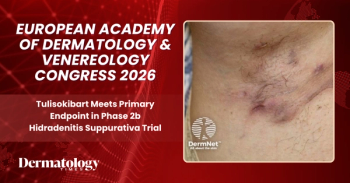
Up to 72% of tulisokibart-treated patients achieved HiSCR50 at week 16 vs 35% with placebo, the first positive phase 2 anti-TL1A data in dermatology.

Put your dermatology expertise to the test with Dermatology Times’ interactive quiz series.

Alexandra Charrow, MD, discussed biologic selection, deroofing, and emerging procedural approaches to hidradenitis suppurativa at Maui Derm NP+PA Fall 2026.

An HS toolbox with wound care, symptom relief, and personal care supplies can help patients stay prepared for unexpected flares.

One-year phase 3 VELA data showed durable clinical responses, quality-of-life improvements, and no new safety signals for investigational sonelokimab in hidradenitis suppurativa.
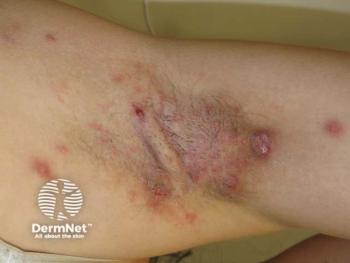
Avalo readies long-acting AVTX-010 to target hidradenitis suppurativa, aiming for fewer injections for patients after strong phase 2 abdakibart results.
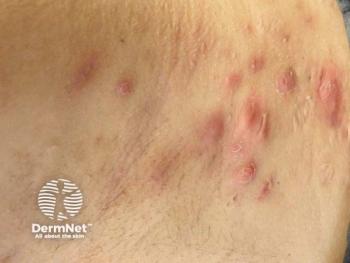
A phase 2 clinical trial found that topical ruxolitinib cream showed promising efficacy and safety in patients with mild to moderate hidradenitis suppurativa.
Hadar Lev-Tov, MD, said one of the most rewarding aspects of treating HS is hearing patients say, “Doctor, you saved my life.”
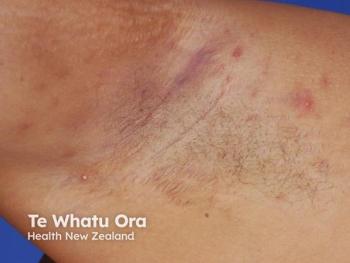
The growing success of IL-17–targeted therapies suggests that remission may become a realistic future goal for many patients living with hidradenitis suppurativa.

Dermatology Times' editor in chief highlights essential late-breaker data from AAD 2026, including upadacitinib, rezpegaldesleukin, icotrokinra, zasocitinib, envudeucitinib, sonelokimab, and more.

Researchers found that adult patients with suspected but unconfirmed HS were more likely to receive symptom-targeted treatment rather than comprehensive disease management.

New HS study links prior bariatric surgery to lower pain and depression scores but adjusted results show no clear benefit.

Initial phase 2 data show abdakibart (AVTX-009) boosts HiSCR responses in moderate to severe HS, with favorable safety, paving way for phase 3.
Building trust through empathetic communication, education, and support resources is essential to improving outcomes for patients with HS.

Steven Daveluy, MD, discusses how this approval helps close a critical gap in care for adolescents living with HS.
Advertisement
Advertisement
Trending on Dermatology Times
1
Veradermics Reports Sustained Hair Growth With VDPHL01 at 1 Year
2
Updated HS Guidelines Emphasize Biologics and Early Intervention
3
Brepocitinib Clears Skin in 69% of Cutaneous Sarcoidosis Patients
4
PASI 100 Rates and Site-Specific Responses With Oral Psoriasis Therapies
5