

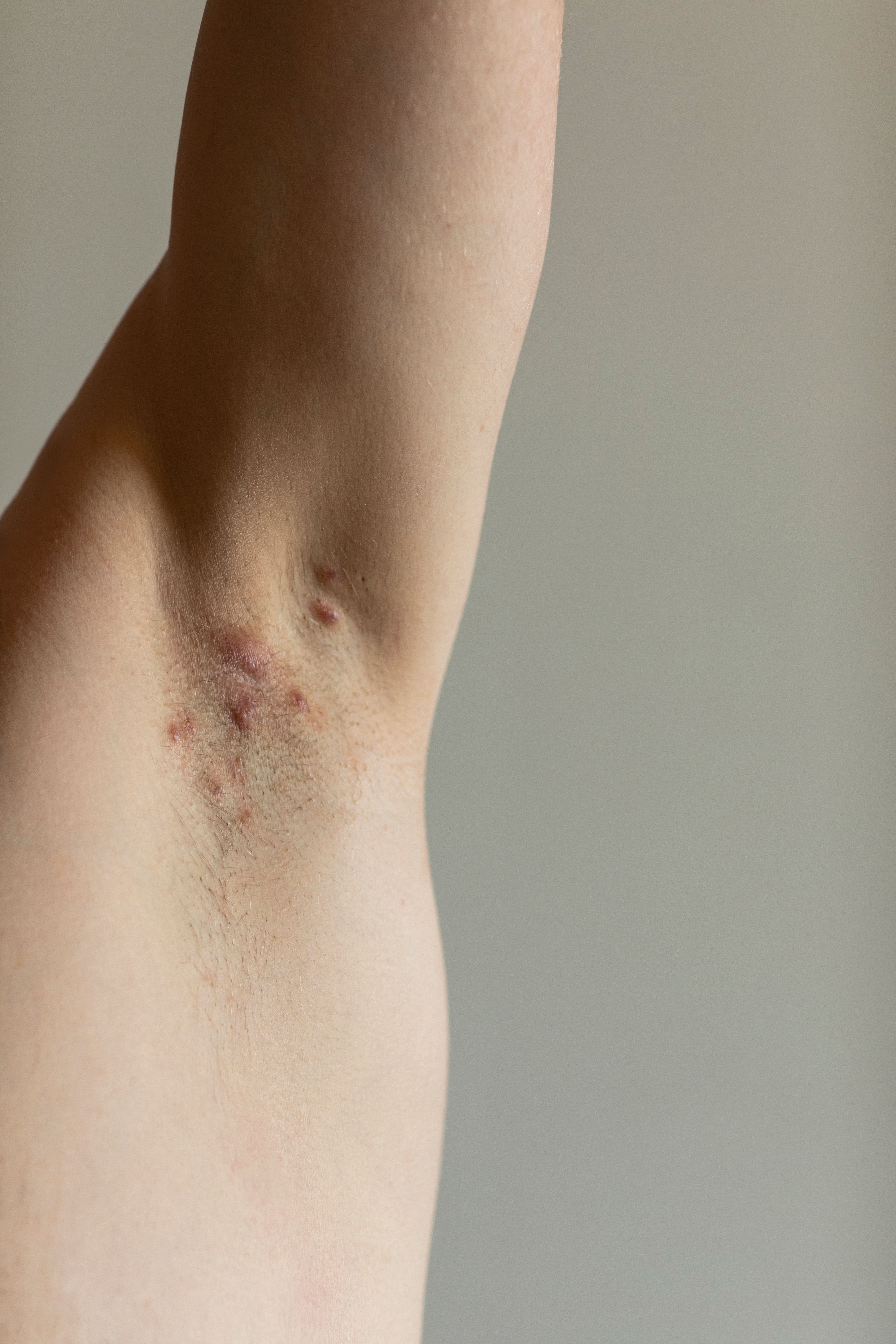


The drug is the first FDA-approved treatment for moderate to severe HS that selectively inhibits both IL-17A and IL-17F.
The drug is the first FDA-approved treatment for moderate to severe HS that selectively inhibits both IL-17A and IL-17F.

A recent analysis found primary closure in HS surgery has higher recurrence rates, while secondary intention healing avoids complications but prolongs recovery.
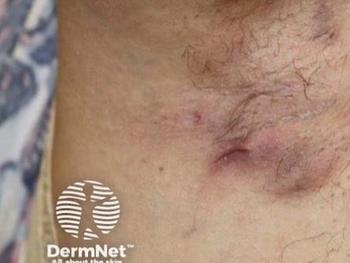
Post-hoc analysis demonstrated secukinumab's efficacy in addressing both HS and HS-related psychiatric symptoms.
From diet recommendations to biologic advancements, Jennifer Hsiao, MD, covered essential updates for treating patients with HS.
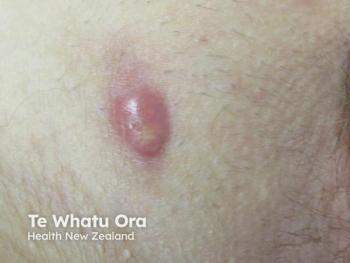
A recent study revealed that patients with HS have a 23% prevalence of IA, emphasizing the need for routine screening in dermatologic practice.
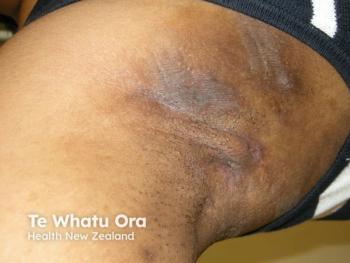
A recent review found clinical trials for HS lack diversity, limiting understanding of treatment efficacy for SOC populations.

In this study, the highest infertility rate was seen in the patients living with hidradenitis suppurativa; however, no direct causality was seen for this, with the authors noting diseases and symptoms comprised the only factors with a statistically significant relationship to infertility.

This week’s collection of the latest dermatologic studies includes the potential association between hidradenitis suppurativa and infertility, refractory pediatric atopic dermatitis treated with dupilumab and abrocitinib, and omalizumab's efficacy in chronic inducible urticaria.
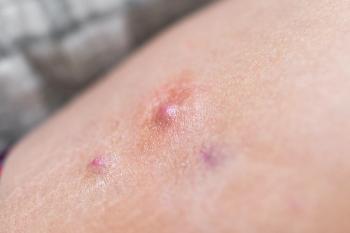
Nearly 44.2% of patients achieved HiSCR100, indicating a complete resolution of HS symptoms by the end of the 2-year period.
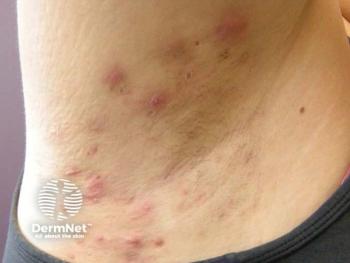
Researchers reported reductions in draining tunnels and total lesion counts.

In addition to decreases in BMI, researchers also reported fewer HS flare ups.
This Maui Derm NP+PA Fall session discusses the latest advancements in hidradenitis suppurativa treatment, the evolving therapeutic landscape, and the critical need for timely diagnosis and aggressive care.

Although clinicians showed similar antibiotic prescribing rates, the study highlights a need for better adherence to HS treatment guidelines across all specialties.
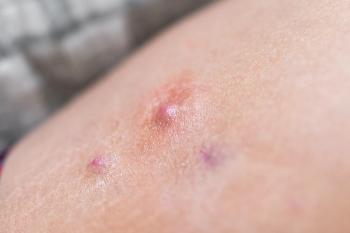
The trial revealed that 40% of patients on izokibep achieved HiSCR75 by week 16, a notable improvement over the 20% on placebo.

Jared Gollob, MD, shares highlights of Kymera Therapeutics' recent JID publication.
Secukinumab improved outcomes in all clusters, with more frequent dosing benefiting severe cases.
Follow-up results showed that 6 out of 9 patients achieved HiSCR at 3 months, with 5 maintaining this response at 6 months.
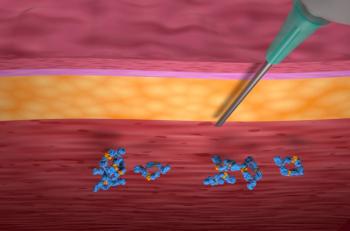
Spherix Global Insights recently delved into the efficacy, patient quality of life, and symptom management of adalimumab vs secukinumab.
Hypertension and hyperlipidemia are common among obese pediatric patients with hidradenitis suppurativa, according to a poster presented at the SPD's annual meeting.

Jennifer Hsiao, MD, shares insights on emerging therapies and comprehensive care strategies at the 2024 SDPA Annual Summer Dermatology Conference.
Henry Lim, MD, discusses key findings and areas of improvement identified by the report, as well as his hopes for HS treatment moving forward.

UCB recently announced phase 3 BE HEARD I and II trial results on bimekizumab for treating moderate to severe HS were published in The Lancet.
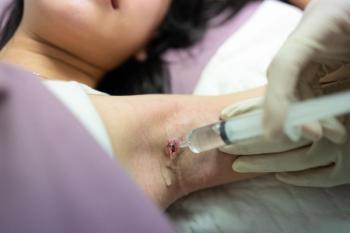
Four leaders in HS treatment and care put a spotlight on the latest clinical trial data and treatment techniques.
Hadar Lev-Tov, MD, MAS, President of the HS Foundation, discusses the organization's hopes for the future and upcoming efforts.

The Lancet data is the primary publication of bimekizumab results from BE HEARD I and BE HEARD II.