


Feature|Videos|November 9, 2026
PASI 100 Rates and Site-Specific Responses With Oral Psoriasis Therapies
Author(s)Mark G. Lebwohl, MD
Mark Lebwohl, MD, reviews the safety, dosing, and efficacy of oral TYK2 inhibitors and icotrokinra in psoriasis.
Advertisement
Mark Lebwohl, MD, dermatologist, dean for clinical therapeutics at the Icahn School of Medicine at Mount Sinai, and chairman emeritus of the department of dermatology at Mount Sinai, discussed oral options for psoriasis in a recent
Episodes in this series

Safety and Efficacy of Oral TYK2 Inhibitors
Long-term safety and efficacy remain a concern, Lebwohl said. He pointed to years of experience with deucravacitinib (Sotyktu; Bristol Myers Squibb), a TYK2 inhibitor, and expects zasocitinib and envudeucitinib to benefit from its safety history. He thinks both will overwhelmingly be regarded as safe.
“Certainly compared to apremilast, the new TYK2 inhibitors have been compared and they are much more effective,” Lebwohl said.
Neither TYK2 inhibitor has gone head to head against icotrokinra, but efficacy data appear pretty similar, according to Lebwohl.
Dosing and Choosing Among Oral Agents
Envudeucitinib is taken twice a day. Zasocitinib is taken once a day, with or without food. Icotrokinra is normally given in the morning on waking, because patients are asked not to eat for at least half an hour afterward.
Lebwohl expects a marketing war once the new drugs come out.
“They’re all more effective than apremilast, and it’s hard to come up with the reason why one should be used over another,” Lebwohl said.
Response Over Time and PASI 100
Icotrokinra and the TYK2 inhibitors do not peak at 16 weeks, Lebwohl said. Patients gain additional benefit through 24 weeks. Peak effect arrives a little later, but it is pretty good.
In the ONWARD3 open-label extension, 54% of patients achieved PASI 100 at week 48 with envudeucitinib.1 Lebwohl noted the lack of placebo control and said many biologic and oral therapies reach higher degrees of PASI 100 over a year.
“For an oral therapy to achieve 54% PASI 100 ... is quite an accomplishment and something we have not seen before with a pill,” Lebwohl said.
Scalp, Nail, and Palm and Sole Psoriasis
Scalp involvement is mostly uniform in psoriasis, and a high proportion of patients complain of it, Lebwohl said. Itching is particularly bad in these patients. Most respond to the same drugs used for the rest of the body.
Response tends to separate in 2 locations, he said. The first is the fingernails, which require normalization of the nail bed and nail matrix. This usually takes months, because the disease is treated first and the nails grow in afterward.
The second is palms and soles. Lebwohl said difficulty getting large molecules through the thick stratum corneum via small peripheral vessels of the hands and feet may explain why biologics do not work well there.
“Certainly among the oral agents we use, which are much smaller than biologics, we’ve seen good responses in palms and soles,” Lebwohl said.
Reports have largely involved oral JAK inhibitors, but he thinks some of the new drugs will offer benefit in palm and sole psoriasis. Lebwohl said it is good to know clinicians will have a choice, as all the drugs appear to be safe and effective.
Reference
- Envudeucitinib long-term data positioned to set a new standard for plaque psoriasis treatment, delivering highest reported PASI 100 skin clearance among oral therapies. News release. Alumis. August 10, 2026. Accessed November 6, 2026.
https://investors.alumis.com/news-releases/news-release-details/envudeucitinib-long-term-data-positioned-set-new-standard-plaque
Advertisement
Related to this article
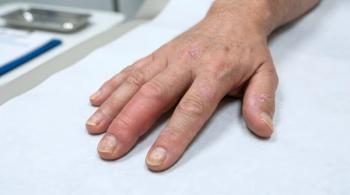
BE BOLD Week 24 data show sustained numerical advantages in joint responses with bimekizumab versus risankizumab in active psoriatic arthritis.

Doral Fredericks, PharmD, MBA, discusses how life stages, mental health, and reproductive concerns can shape dermatologic care for women.
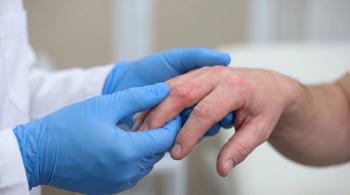
The approval expands the IL-23 inhibitor’s indications beyond moderate-to-severe plaque psoriasis to include adults with active psoriatic arthritis.
Updated SKYRIZI labeling allows clinicians to use clinical judgment when determining the need for TB evaluation before treatment.

Experts outline how to recognize undertreated psoriasis, assess incomplete response, and make individualized decisions when escalating therapy.
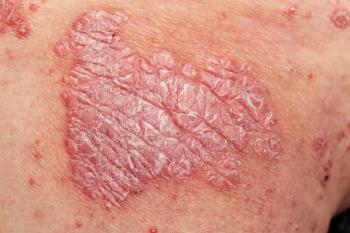
ORKA-001 achieved PASI 100 in 61% of high-dose patients at week 16 in the phase 2b EVERLAST-B trial of moderate-to-severe psoriasis.
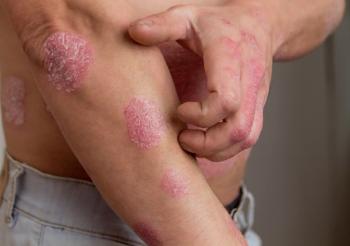
Tina Bhutani-Jacques, MD, explored how disease location, prior treatment response, and patient preference shape topical treatment decisions across 3 plaque psoriasis cases.

Two-year oral IL-23 data, GLP-1 biomarker findings, and a nonsurgical option for superficial basal cell carcinoma headline the sessions covered in Las Vegas.
Advertisement
Advertisement
Trending on Dermatology Times
1
Don't Be Rash: Navigating Topical Steroid Withdrawal Concerns in Pediatric Eczema
2
AADA Warns of 6% Medicare Payment Cut for Dermatologists in 2027
3
ATTO-1310 Reduces Itch at Week 12 in Chronic Pruritus and Atopic Dermatitis
4
Bimekizumab Sustains Joint Responses Through Week 24 in PsA
5