Two-year oral IL-23 data, GLP-1 biomarker findings, and a nonsurgical option for superficial basal cell carcinoma headline the sessions covered in Las Vegas.
At the 2026 Horizons in Advanced Practice meeting, Omar Noor, MD, discussed viewing atopic dermatitis patients as type 2 inflammatory patients, growth curve data, and recent hidradenitis suppurativa guidelines.
Omar Noor, MD, dermatologist at Lucid Dermatology and co-owner of Rao Dermatology in New York City and New Jersey and affiliated with Penn Medicine, chaired the third annual
Noor described an exchange of information among Horizons attendees centered on real-world cases. Discussion covered how clinicians evaluate patients, look at treatment options, and communicate with patients about them.
“We really had an incredible dialog for our NPs and PAs. The dialog and the exchange of information really let us talk about real-world cases, talk about how we evaluate patients, how we look at treatment options, and what does that communication look like with them,” Noor said.
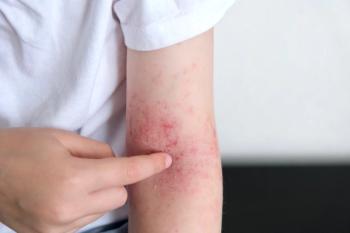
One highlight from the meeting was looking at patients from their own perspective and as a whole person. A patient presenting with a single disease, such as atopic dermatitis, can be viewed as a type 2 inflammatory patient.
“Looking at them as a type 2 inflammatory patient really changes our perspective, changes how we might talk to our patients, ask patients questions, and even changes the way we think about therapeutic options,” Noor said.
Noor emphasized the ongoing search for new data. “We need to have information at our fingertips to help our patients,” he said.
Noor named data on growth as the information he valued most from the meeting. Patients with atopic dermatitis tend to be lower on the growth curve, and Noor said clinicians can affect this. He noted clinicians can talk with patients about poor sleep and its role.
“This may be affecting their ability to grow, and we may have the opportunity to help them catch up,” Noor said.
Looking ahead, Noor said clinicians are seeking more data on hidradenitis suppurativa. He described a disease state affecting many patients with high morbidity and a significant effect on their lives.
“We are just at the beginning of looking to expand and increase our treatment options for those individuals,” Noor said.
Noor called guidelines critical and said the
“The most important thing to come out of these guidelines is we’re listening, and we’re here to make you better,” Noor said.
For more Horizons content,