Prospective data suggest DecisionDx-Melanoma may help refine SLNB decisions and identify recurrence risk beyond conventional staging.
Konika Patel Schallen, MD, discussed new findings showing the Nordlys 1940 nm non-ablative fractional laser may reverse epigenetic markers of skin aging in a recent Dermatology Times interview.
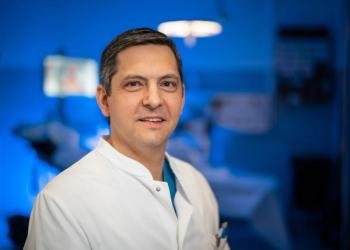
Konika Patel Schallen, MD, is a practicing physician in Jacksonville, Florida, with 2 esthetic and laser clinics. She also serves as medical director and senior vice president of global clinical operations at Candela Medical. In a recent Dermatology Times interview, Schallen discussed new findings showing the Nordlys 1940 nm non-ablative fractional laser modulated age-associated DNA methylation patterns, suggesting molecular effects beyond cosmetic
The split-face study included 22 adults who received 3 laser treatments at 1-month intervals, with molecular and clinical assessments performed through 6 months of follow-up. Researchers evaluated more than 3.8 million CpG sites per sample to characterize treatment-associated epigenetic changes.1
Schallen explained the study identified the laser as an epigenetic modulator, meaning treatment altered how DNA behaves without changing the genes themselves. She noted epigenetics reflects how external factors regulate gene activity and cited UV radiation and smoking as known negative epigenetic influences linked to skin aging and skin cancer risk.
"This data really shows what the laser can do beyond what we are used to seeing, beyond the cosmetic resurfacing or pigmentation treatments we typically think of it to be used for," said Schallen.1
She described the laser as a positive epigenetic counterpart to those negative exposures, capable of influencing DNA methylation patterns associated with skin aging and keratinocyte regulation. She said these findings provide a molecular link to skin cancer biology while building on previous research associating non-ablative fractional laser treatment with lower rates of subsequent keratinocyte carcinomas.2
"We think this data is really interesting because what it shows us is the treatment isn't just masking the signs of aging; it's actually resetting the biological programming driving aging at the cellular level," said Schallen.
Researchers profiled approximately 3.8 million CpG sites per sample, comparing treated and untreated sides of the face at baseline, after the first treatment, and at 1, 3, and 6 months following treatment. Among sites associated with cell aging and senescence, Schallen said 83.9% shifted in the opposite direction of aging.2
Nearly 84% of those sites actually shifted in the opposite direction of aging, which means our cells were reprogrammed not only to stop aging, but to actually reverse aging, and that's very exciting, - Konika Patel Schallen, MD,
Schallen said the molecular response was progressive rather than transient, with the strongest changes observed 1 month after treatment completion and evidence of persistence through 6 months.
"We found the biggest change 1 month after all the treatments were completed, but those changes continued to last out to the 6-month follow-up period," said Schallen.
She also noted the molecular findings paralleled visible clinical improvement. Quantitative VISIA imaging demonstrated a median 38% reduction in brown spots on the treated side 1 month after treatment, along with improvements in pigmentation and skin texture, supporting the biologic changes observed through DNA methylation analysis.12
The investigators defined rejuvenation as a partial restoration of youthful molecular features rather than complete reversal of biological age, emphasizing that additional studies are needed to determine the long-term clinical implications of these findings.
Schallen said the findings may encourage dermatologists to view non-ablative fractional lasers as more than cosmetic resurfacing devices. Instead, she believes the technology may have a broader role in promoting skin health by influencing biological processes associated with aging.
Although she emphasized that larger studies with longer follow-up are still needed, Schallen said ongoing research is exploring how long these epigenetic changes persist and whether treatment protocols can be further optimized.
"I think the study positions non-ablative fractional lasers not just as esthetic tools, but as potential instruments of
References: