This review of the latest dermatological studies includes insights on
Allergist and bestselling author Zachary Rubin, MD, joins host Renata Block, DMSc, MMS, PA-C, to debunk common allergy and atopic dermatitis myths and explore the immunology of the atopic march, cross-specialty collaboration, and more.
In the latest episode of
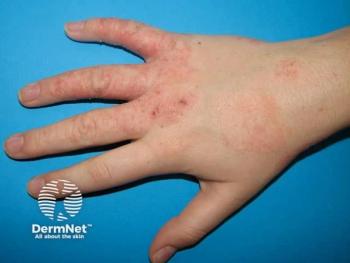
One of the episode's central themes was the enduring—and potentially harmful—myth that food elimination is an effective treatment for atopic dermatitis. Rubin was direct: "Food avoidance can potentially cause more harm in the long run, especially for babies with eczema, because we know that earlier introduction and regular exposure to allergenic foods like peanuts and cow's milk can help reduce the risk of developing food allergies that could potentially be life-threatening or even persistent and lifelong."
He emphasized that meta-analyses of clinical trials show dietary elimination alone will not improve atopic dermatitis in most cases to a clinically meaningful degree, and cautioned that overreliance on food panels without corroborating clinical history can lead to false positives and unnecessary dietary restriction.
Rubin walked listeners through the immunology of the atopic march, the progression from infant eczema to food allergy, allergic rhinitis, and asthma, explaining that Th2 skewing drives systemic IgE production that extends well beyond the skin. "When patients have a better understanding of how their bodies function and don't function properly, they can take that information and take better charge of their health," he said, underscoring the value of patient education in improving clinical outcomes.
Looking ahead, Rubin highlighted the expanding role of Janus kinase inhibitors and novel biologics in atopic disease, including a phase 1 trial combining dupilumab with linvoseltamab, an agent approved for multiple myeloma, to potentially drive food allergy into remission by depleting IgE-producing plasma cells. He also spotlighted the underrecognized burden of indolent systemic mastocytosis, which carries a prevalence comparable to psoriasis yet remains far less visible in clinical practice.
On a lighter but clinically relevant note, Rubin addressed the ubiquitous patient request for hypoallergenic dogs: "Every dog makes differing amounts [of allergens], so sometimes you can tolerate some dogs vs others, but you can't reliably predict that based [on] the label ‘hypoallergenic.’"
Block closed the episode by noting that Rubin's book,
Like this podcast, have suggestions, or want to participate in future episodes? Contact our team at