

Opinion|Videos|August 4, 2026
Modern Psoriasis Treatment: From Topicals to IL-23 and IL-17 Biologics
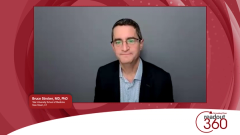
Author(s)Bruce Strober, MD, PhD
"Modern Psoriasis Treatment: From Topicals to IL-23 and IL-17 Biologics" steps back to survey how clinicians actually treat psoriasis in 2026.
Advertisement
Episodes in this series
"Modern Psoriasis Treatment: From Topicals to IL-23 and IL-17 Biologics" steps back to survey how clinicians actually treat psoriasis in 2026.
Dr. Strober walks through the full psoriasis treatment landscape, calling the long list of options a genuine benefit for patients. He starts with topicals for milder disease: topical steroids and newer nonsteroidals such as tapinarof and roflumilast. For inverse psoriasis, he cites topical calcineurin inhibitors like tacrolimus and pimecrolimus.
He then turns to systemic-appropriate patients who cannot manage on topicals alone. Phototherapy is an old mainstay, but he notes only about 5 percent of patients can realistically sustain the frequent clinic visits it requires, and many lack access. Among older systemics, Dr. Strober mentions methotrexate, cyclosporine, and acitretin. He describes them as variably immunosuppressive, with different adverse-event and monitoring profiles, and argues they are largely too toxic or insufficiently effective, with low cost their main advantage.
Modern oral agents include apremilast, a lower-efficacy PDE-4 inhibitor, and deucravacitinib, a more recently approved TYK2 inhibitor. He anticipates more potent follow-on TYK2 inhibitors within a few years. On biologics, Dr. Strober reviews the older TNF-alpha inhibitors, etanercept, adalimumab, infliximab, and certolizumab, as effective but generally lower in efficacy than newer agents. He highlights ustekinumab, the sole IL-12/23 inhibitor, as groundbreaking for allowing every-12-week maintenance dosing.
The modern biologics he now favors are the IL-23 inhibitors, tildrakizumab, guselkumab, and risankizumab, and the IL-17 pathway inhibitors, including secukinumab, ixekizumab, the receptor blocker brodalumab, and the IL-17A/F inhibitor bimekizumab. He estimates roughly 14 biologics have been available over time. Dr. Strober says he has gravitated toward the IL-17 and IL-23 inhibitors for their less frequent dosing, high efficacy, and good tolerability.
In "Can Psoriasis Treatment Prevent PsA? Biologics, Phototherapy, and Other Treatments," the discussion turns to whether the choice of therapy can itself lower psoriatic arthritis risk.
Advertisement
Related to this article
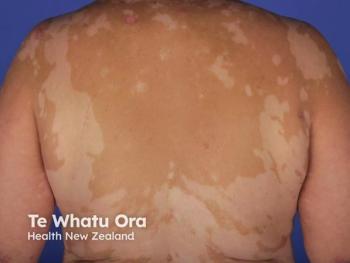
The FDA clearance allows Edesa to expand an ongoing placebo-controlled study of the CXCL10 antibody EB06 to US sites, with topline data expected in the fourth quarter of 2027.

The novel oral helicase-primase inhibitor demonstrated significantly higher rates of complete lesion healing compared with investigator’s choice treatment in the phase 3 PRIOH-1 trial.
Prospective data suggest DecisionDx-Melanoma may help refine SLNB decisions and identify recurrence risk beyond conventional staging.

Falk G. Bechara, MD, discusses long-term tunnel control, structural damage, and the evolving role of biologics and surgery in HS care.
Galderma has agreed to acquire ZO Skin Health for $1.5 billion, adding the physician-dispensed skincare brand to a portfolio that already includes Cetaphil and Alastin.

New dermatology research explores hidden steroids in OTC products, infant eczema, melanoma prevention, cutaneous lymphoma, and pediatric AD.

SYX-5219 improved disease severity and itch in a Phase 1b trial of adults with moderate to severe atopic dermatitis.

In a survey of 301 employed adults, overall work impairment attributable to CHE was 31.8%, and quality of life worsened in step with self-reported disease severity.
Advertisement
Advertisement
Trending on Dermatology Times
1
FDA Approves Pritelivir for Refractory Mucocutaneous HSV in Immunocompromised Adults
2
GLP-1 Agonists Address Metabolic Risk in Psoriatic Disease
3
EB06 Phase 2 Vitiligo Study Receives FDA IND Clearance
4
EADV 2026 Atopic Dermatitis Highlights: Tilrekimig, RAC2 Inhibition, and Level Up Data
5