


Atopic Dermatitis
Latest News

Advertisement
Latest Videos





Shorts




Advertisement
More News
Allergist and bestselling author Zachary Rubin, MD, joins host Renata Block, DMSc, MMS, PA-C, to debunk common allergy and atopic dermatitis myths and explore the immunology of the atopic march, cross-specialty collaboration, and more.
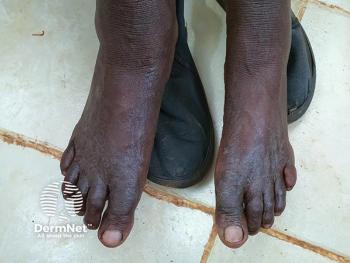
New research shows podiatry students struggle to spot psoriasis and eczema on darker skin, exposing dermatology training gaps and driving calls for inclusive teaching.
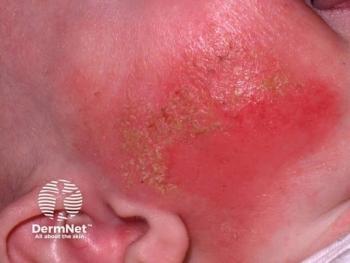
FDA will review a supplemental New Drug Application for topical roflumilast to treat infant AD with supporting trial data showing rapid itch relief and clear skin gains from week 1.
Gain exclusive insights from AAD on rapid-onset topicals, durable biologic control, and a growing emphasis on stringent, patient-centered targets shaping atopic dermatitis care.
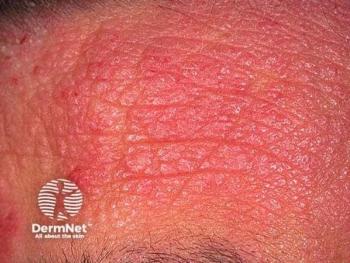
Early clinical trials indicate that dual- and triple-target antibodies may provide faster onset and more consistent itch relief in moderate to severe AD.

Clinicians agreed that itch — not lesion count or BSA alone — is the most clinically meaningful driver of treatment escalation in patients with atopic dermatitis.
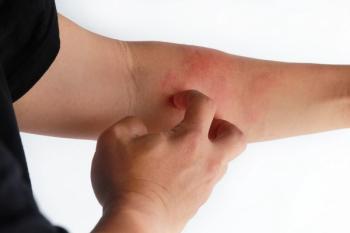
New 140-week data show that upadacitinib keeps itch, sleep, and quality-of-life gains steady in patients with moderate to severe atopic dermatitis (AD).
Patients frequently experience persistent symptoms, visible lesions, and recurrent flares that affect daily functioning and self-image.
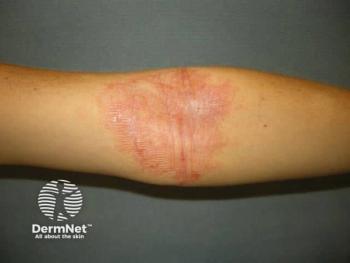
Most AD referrals were low urgency, contributing to prolonged wait times exceeding 30 weeks on average.
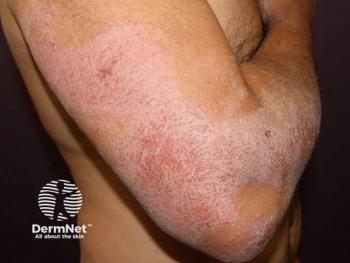
Post hoc trial data presented at AAD 2026 show near-clear atopic dermatitis and minimal itch drive bigger gains in quality of life, sleep, mental health, and satisfaction.

The study represents a repurposing strategy, using dupilumab as a tool compound to probe whether immune-targeted therapy can address a biologically defined subgroup of MDD.
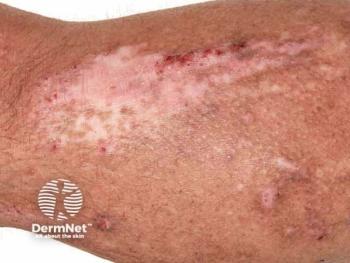
A new gene expression profiling (GEP) test may transform how clinicians select systemic treatments for moderate to severe atopic dermatitis (AD).

The combination of rapid onset and durable response positions zumilokibart as a potentially attractive first-line biologic option.
At AAD 2026, Diego Ruiz Dasilva, MD, makes the case that the black box warning on JAK inhibitors shouldn't deter appropriate prescribing.

Mark Jackson, MD, of Evommune, provides a therapeutic update on the investigational atopic dermatitis drug, citing strong efficacy and safety after just 2 doses, with phase 2b research on the way.

The ongoing phase 2b BROADEN2 study will evaluate KT-621 across 3 dose levels in 200 patients over 16 weeks, with results expected to guide phase 3 dose selection.
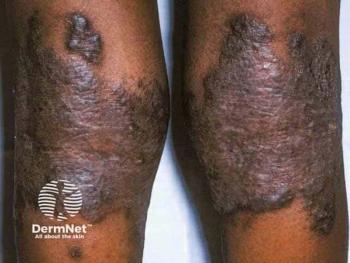
The combination therapy SHORE trial produced the highest response rates of the 3 studies, with EASI-75 approaching 48% in the Q4W arm.
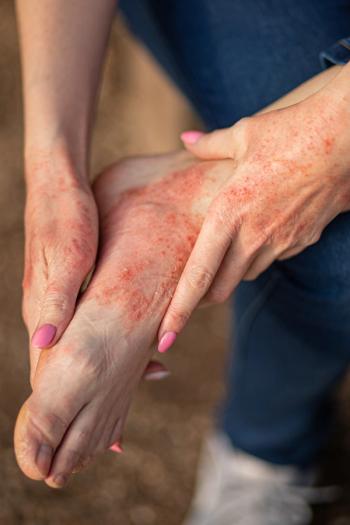
LEO Pharma presented 3 AAD posters on the efficacy of tralokinumab in various AD subgroups across the 12-month TRACE program.
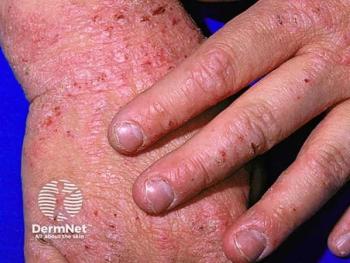
Eight in ten ADlong patients achieved clinical response without steroid rescue, strengthening the case for lebrikizumab as a standalone, long-term management option.
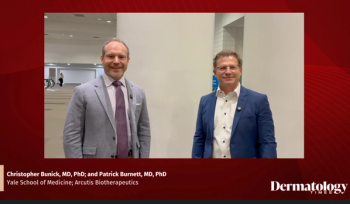
At AAD 2026, Christopher Bunick, MD, PhD, and Patrick Burnett, MD, PhD, discuss late-breaking data of roflumilast cream's improvements in infants with AD.
Late-breaking phase 2 findings presented at AAD show nemolizumab achieved high EASI-90 rates and rapid itch relief in pediatric patients with atopic dermatitis.
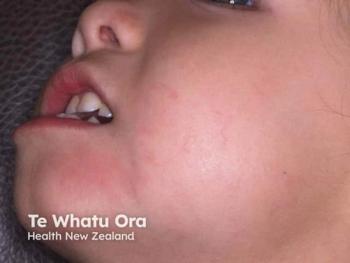
With 80% of trial participants being children, this analysis provides some of the most robust early-response data available for a non-steroidal topical in pediatric AD.
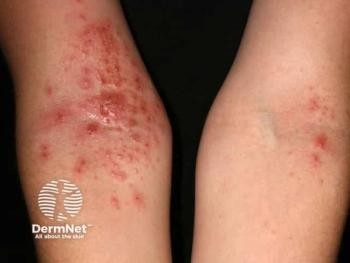
Targeted therapies are increasingly used earlier in treatment rather than being reserved for severe or refractory cases.
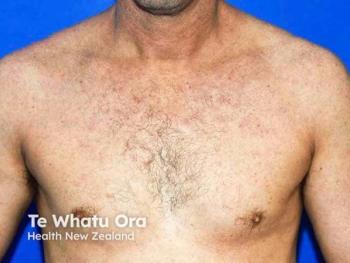
Phase 2 APEX part A data showed zumilokibart maintained EASI-75 responses in 75–85% of week 16 responders at 1 year across quarterly and biannual dosing regimens.
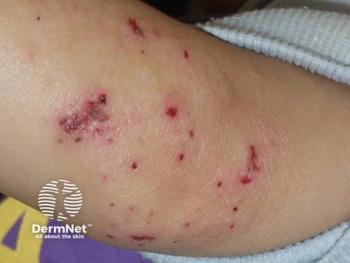
New data show that nearly 40% of eczema patients face insurance-related barriers, delaying or preventing access to prescribed therapies.
Advertisement
Advertisement
Trending on Dermatology Times
1
FDA Approves Baricitinib for Adolescents With Severe Alopecia Areata
2
Dr. Charrow Highlights Earlier Biologic Use and Deroofing in Hidradenitis Suppurativa
3
From Mechanism to Management: Navigating Male Pattern Hair Loss and New Topical Therapies
4
Tremfya Meets Primary, Major Secondary Endpoints in Phase 4 STAR Study of Axial PsA
5