Christophe Piketty discusses 3-year ARCADIA data demonstrating sustained efficacy and long-term safety of nemolizumab in atopic dermatitis.
Targeted therapies are increasingly used earlier in treatment rather than being reserved for severe or refractory cases.
New monoclonal antibodies, oral Janus kinase (JAK) inhibitors, and topical nonsteroidal agents continue to fundamentally reshape treatment decisions and clinical practice considerations for atopic dermatitis (AD). During the interactive session “Atopic Dermatitis and Pruritus: Current Concepts and Therapeutics for 2026” at Maui Derm Hawaii 2026, Raj Chovatiya, MD, PhD, MSCI, joined Jonathan Silverberg, MD, PhD, MPH; and Lawrence Eichenfield, MD, in examining how these emerging and established therapies can be effectively positioned within the modern dermatology armamentarium.
In the lecture, Chovatiya, clinical associate professor at Rosalind Franklin University of Medicine and Science Chicago Medical School and founder and director of the Center for Medical Dermatology and Immunology Research in Chicago, Illinois, emphasized that newer AD interventions—many introduced over the past several years—now form the backbone of his practice. Rather than serving as last-resort options, targeted therapies are increasingly positioned earlier in the treatment journey. Traditional agents such as topical corticosteroids and topical calcineurin inhibitors, while still important, are often used as short-term bridges rather than long-term solutions.
“When I think about every patient, I ask myself, ‘How can I get them to the safest and most effective treatment choice that is highly targeted for the disease of interest?’” he told Dermatology Times. This shift reflects growing confidence in the safety and durability of newer agents, as well as a desire to minimize prolonged reliance on broad immunosuppression.
The clinicians highlighted the breadth of therapeutic options now available for AD, offering unprecedented flexibility. Nonsteroidal topical agents, including tapinarof, topical ruxolitinib, and roflumilast, have expanded long-term topical management strategies. Systemic options such as oral JAK inhibitors (abrocitinib and upadacitinib) and biologics (dupilumab, tralokinumab, lebrikizumab, and nemolizumab) provide highly targeted approaches for patients with moderate to severe disease or refractory symptoms. However, the abundance of options has shifted the clinical challenge from therapeutic availability to optimal selection and sequencing.
When considering which of these therapies to choose, Chovatiya stressed that no single factor drives his decision-making. Disease severity, comorbidities, safety considerations, patient-reported symptoms, and treatment preferences all contribute to individualized care plans. AD, he noted, is a multidimensional disease that cannot be adequately assessed solely by visual inspection.
Chovatiya is often asked which treatment he uses first with every patient. “There really isn’t an answer to that question yet,” he said. “Until the day comes about where there’s a magic wand I can wave over my patient and say, ‘This is the exact treatment for you,’ a lot of it is going to be based on that shared interaction.”
He stressed that treatment selection is shaped through shared decision-making and informed by both clinical assessment and patient input. This philosophy was echoed throughout the session, as differing audience responses to case scenarios underscored the variability in reasonable therapeutic choices.
Another major theme of the talk was the evolving understanding of AD as a systemic inflammatory condition. This broader perspective helps explain the frequent coexistence of AD with other atopic and inflammatory diseases and has influenced the development and positioning of targeted therapies.
Chovatiya noted that shared pathogenic mechanisms have already led to expanded indications for some treatments and promising data for others. Increasingly, comorbidity profiles are being considered when selecting therapies to improve overall patient outcomes. He also highlighted the need for future clinical trials that more explicitly incorporate comorbidity assessments to better inform real-world decision-making.
“What we would all like to see are clinical trials that take this into account and actually assess a few different things, so we can…perhaps begin to clinically parse out our therapies even more,” he added.
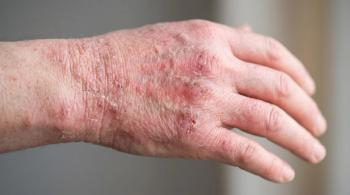
Among the newer areas addressed in the annual session was chronic hand eczema (CHE), a condition historically underrecognized in the US. Chovatiya, in particular, focused his updates on disease burden, severity, and patient experience, as well as the approval of topical delgocitinib, the first FDA-approved therapy for CHE. He also emphasized that many existing AD therapies have generated hand-specific or hand-adjacent data, offering dermatology clinicians more evidence-based options for this difficult-to-treat site.
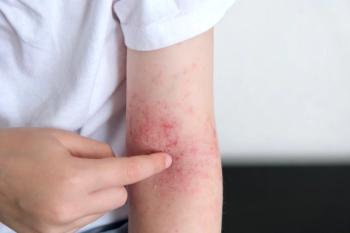
Pediatric AD was another area of focus, particularly as therapeutic options continue to expand into younger age groups. With systemic therapies and multiple topical agents now approved for pediatric patients, including the recent expansion of topical ruxolitinib, clinicians have greater flexibility in tailoring treatment for children.
Finally, Chovatiya addressed emerging genetic testing tools designed to help guide selection between biologic therapies and oral JAK inhibitors. Although these tests are intriguing, he noted that their practical role in everyday care remains under discussion.
Overall, the presentation at Maui Derm Hawaii 2026 reinforced that contemporary AD management is defined by precision, personalization, and clinician–patient partnership—principles well-suited to an era of rapidly expanding therapeutic options and growing insight into disease complexity.
“We really have a richer toolbox than ever before, and tools that can treat almost every patient [who] walks in the door,” Chovatiya concluded.
7 months ago
Dermatology Times March 2026 Print Recap7 months ago
IL-13 Blockade for Benign Familial Pemphigus7 months ago
Understanding Aging Hair