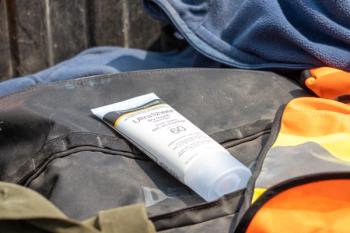
Two new Neutrogena facial sunscreens incorporate bemotrizinol, the first new sunscreen active ingredient added to the US OTC monograph in decades.
Women often present with sudden skin, hair, and vascular changes that may signal perimenopause rather than normal aging.
Dermatology practices are increasingly seeing midlife women with abrupt changes in skin, hair, and vascular behavior that do not fit classic dermatologic patterns. These concerns are often minimized as “normal aging,” yet they frequently reflect the biologic transition of perimenopause. Because dermatology clinics are often the first place patients seek care for appearance-related changes, dermatology clinicians are uniquely positioned to recognize this transition and intervene appropriately.1,2
Perimenopause is characterized by fluctuating ovarian function and a gradual decline in estrogen. Estrogen receptors are widely expressed in the skin, where estrogen plays a central role in collagen synthesis, epidermal thickness, hydration, wound healing, and immune regulation. After menopause, type I and III collagen decline rapidly, with studies estimating up to a 30% reduction within the first 5 years, followed by continued loss thereafter.3 These structural changes contribute to thinning skin, loss of elasticity, and impaired barrier function.
Barrier dysfunction is a prominent feature of perimenopausal skin. Postmenopausal studies demonstrate alterations in stratum corneum lipids, including ceramides, leading to increased transepidermal water loss and susceptibility to irritant and eczematous dermatoses.4 Clinically, patients describe new-onset dryness, pruritus, and stinging from products previously well tolerated.
Acne is another common perimenopausal presentation. Although absolute androgen levels may remain within normal ranges, declining estrogen creates a relative androgen predominance, increasing sebaceous activity and follicular inflammation. Perimenopausal acne often presents along the jawline and lower face and may be inflammatory without significant comedonal disease. Evidence supports prioritizing topical therapies and hormonal modulation over prolonged antibiotic use.5,6
Vasomotor instability during perimenopause can exacerbate facial flushing and trigger or worsen rosacea. Patients may note a sudden onset of persistent erythema, burning, or heat sensitivity.7 Recognition of the overlap between vasomotor symptoms and inflammatory facial dermatoses allows for more realistic counseling and coordinated care.
Hair complaints are among the most emotionally distressing concerns in midlife women. Female pattern hair loss becomes increasingly prevalent after menopause, with studies reporting rates exceeding 50% in postmenopausal cohorts.8,9 Evaluation should distinguish patterned thinning from telogen effluvium or inflammatory alopecia, with treatment guided by evidence-based interventions such as topical minoxidil.
Vulvar dryness, burning, and irritation are frequently encountered but often misdiagnosed as recurrent infection.10 These symptoms may reflect genitourinary syndrome of menopause, a hypoestrogenic condition affecting vulvovaginal tissues.11 Dermatology clinicians play an important role in examination, exclusion of inflammatory dermatoses, and coordination with gynecology or primary care for appropriate therapy.
Management begins with barrier restoration, simplified regimens, and cautious reintroduction of active ingredients. Acne treatment favors topicals and antiandrogen approaches when appropriate. Rosacea management includes modifying triggers and treating underlying inflammatory pathways while recognizing systemic vasomotor symptoms. Collaboration with primary care or gynecology is essential for moderate to severe vasomotor symptoms, sleep disruption, or genitourinary syndrome of menopause, as guideline-supported hormonal and nonhormonal therapies can significantly improve quality of life.12
Perimenopause is not a dermatologic diagnosis, but its cutaneous manifestations are biologically real and clinically actionable. Recognizing this transition allows dermatology clinicians to reduce overtreatment, improve outcomes, and provide validation at a time when many women feel dismissed. For patients, the distress is rarely vanity; it is the disorientation of sudden change. Dermatology has a meaningful role in restoring continuity through informed, evidence-based, and collaborative care.
Amanda Caldwell, MSN, APRN-C, is a dermatology nurse practitioner at US Dermatology Partners and the president of the Society of Dermatology Nurse Practitioners.
References
6 months ago
Dermatology Times March 2026 Print Recap6 months ago
IL-13 Blockade for Benign Familial Pemphigus6 months ago
Understanding Aging Hair