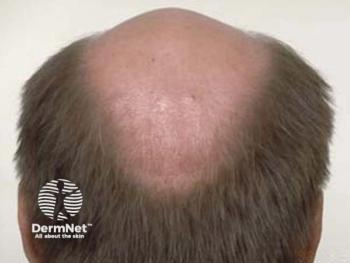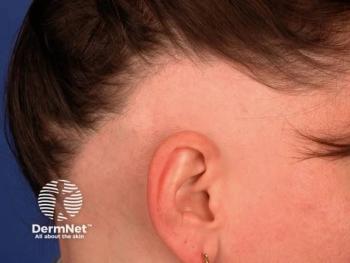
The FDA approval, based on 36-week data from the phase 3 BRAVE-AA-PEDS trial, extends baricitinib access to patients as young as 12 years old with severe alopecia areata.
Lisa Swanson, MD, FAAD, discussed expanding oral JAK inhibitor options for younger children with atopic dermatitis and alopecia areata.
Swanson said younger indications are the development she is most eager to see in the JAK inhibitor space. In particular, she wants
The number one thing in the JAK inhibitor space that I'm looking forward to is younger indications, — Lisa Swanson, MD, FAAD,
For children younger than 12 years with AD, Swanson pointed to
"A lot of kids don't want a shot of any kind," Swanson said.
Having an oral option could therefore offer another treatment approach for
Swanson also highlighted a need for oral JAK inhibitor options for younger patients with AA. As clinicians increasingly recognize the importance of earlier treatment initiation, she said age restrictions can leave pediatric dermatologists waiting to offer certain therapies to children who are already struggling with the disease.
I don't want to wait until they're 12 or 18. I want to be able to treat them when they come in to see me and they're struggling with their alopecia areata, —Swanson, MD, FAAD,
For Swanson,
Beyond treatment advances, Swanson identified health misinformation as another significant challenge affecting dermatology practice. She estimated that she spends approximately half of her clinical time addressing information patients have encountered online or through social media.
"I find myself spending about 50% of my time in clinic just combating the misinformation that people have heard online and on social media," Swanson said.
In response, Swanson created
Swanson encouraged clinicians to direct patients toward reliable educational resources so they can arrive at appointments with accurate information and questions for their health care providers.
"[Patients and their families] can go into their appointment with their practitioner prepared to ask all the good questions and armed with good solid information," Swanson said.
References