In a retrospective study of 393 patients, 51.9% had at least 1 abnormal LFT during follow-up, but only 1.1% had elevations above 3 times the upper limit of normal.
IL-17 inhibitors are highly effective, but many patients still require switching due to treatment failure, loss of response, or intolerance.
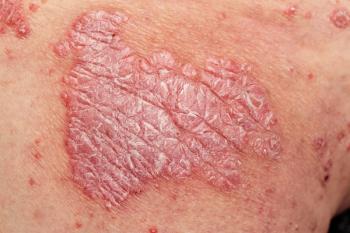
As a chronic, immune-mediated inflammatory skin disease with systemic manifestations and significant psychosocial impact, it is vital for patients with psoriasis to achieve maximal skin clearance, as higher clearance is linked to improved quality of life.1,2 Biologic therapies targeting cytokines such as tumor necrosis factor, IL-12, IL-23, and IL-17 have revolutionized psoriasis care, enabling many patients to achieve substantial disease control. IL-17 inhibitors, including bimekizumab (Bimzelx; UCB), secukinumab (Cosentyx; Novartis), ixekizumab (Taltz; Eli Lilly and Company), and brodalumab (Siliq; Bausch Health), have emerged as highly effective agents.3 However, real-world practice highlights that treatment failure, loss of efficacy, and intolerance remain common reasons for switching biologics, even with advanced agents. Traditional theories suggest interclass switching for primary nonresponders and potential intraclass switching for secondary nonresponders, yet clinical trial designs often exclude patients with prior exposure to the same biologic class, thereby limiting evidence to guide sequencing decisions in this context.
Bimekizumab is a humanized IgG1 monoclonal antibody that selectively targets both IL-17A and IL-17F, which has shown superior suppression of inflammatory pathways compared with IL-17A inhibition alone.4,5 Phase 2 and 3 clinical trials of bimekizumab have demonstrated robust Psoriasis Area and Severity Index (PASI) responses, including high rates of PASI 90 and PASI 100, often outperforming comparator biologics.6-8 Nonetheless, these trials rarely include patients with prior failure of IL-17 inhibitors within the same class, creating an evidence gap for clinicians considering bimekizumab after intraclass failure.
A study by Song et al, recently published in the Journal of Psoriasis and Psoriatic Arthritis, addresses this gap by reporting real-world outcomes of bimekizumab in patients with moderate to severe psoriasis whose disease did not respond to prior IL-17 inhibitor therapy.9
Song et al conducted a multicenter, retrospective observational study.9 Patients with psoriasis were identified from practice data based on International Statistical Classification of Diseases, Tenth Revision codes and treatment failure with prior IL-17 inhibitors (secukinumab, ixekizumab, or brodalumab). Baseline demographics, prior treatment history, concomitant psoriatic arthritis, and disease severity (as measured by Investigator Global Assessment [IGA] and body surface area [BSA]) were collected, along with clinical outcomes after at least 16 weeks of treatment with bimekizumab. Safety assessment included adverse events of special interest associated with IL-17 blockade, such as mucocutaneous candidiasis, liver serologic abnormalities, injection site reactions, new-onset inflammatory bowel disease, and suicidal ideation and behavior.
In total, 50 patients met the inclusion criteria and were included in the analysis. The mean age was 50 years, with equal gender distribution, and 58% had clinician-diagnosed psoriatic arthritis at baseline. Patients had received an average of 3.5 prior biologics before initiating bimekizumab, reflecting a biologic-experienced cohort. Prior IL-17 inhibitors included ixekizumab (68%), secukinumab (22%), and brodalumab (10%). At baseline, 80% of patients had an IGA score of 3 or higher.
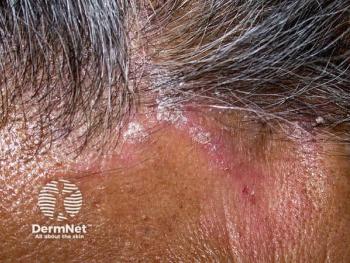
After a median treatment time of 11.5 months with bimekizumab, 82% of patients achieved an IGA score of 0 or 1, indicating clear or almost clear skin. Composite outcomes using the static Physician Global Assessment (sPGA) and BSA showed substantial improvement: 35 of 50 patients achieved 75% improvement, 31 of 50 achieved 90% improvement, and 18 of 50 achieved complete clearance. Among patients with primary failure, secondary failure, or partial response to an IL-17 inhibitor, 100%, 81%, and 71%, respectively, achieved a 75% improvement in sPGA and BSA with bimekizumab. However, the lack of standardized definitions for treatment failure across sites limits subgroup comparisons. Improvement was also seen in patients with difficult-to-treat areas such as the scalp, and among those who switched due to uncontrolled psoriatic arthritis.
Safety data revealed overall favorable tolerability: Oral candidiasis occurred in 2 patients, and 1 patient had fatigue and diarrhea, both of which were managed without treatment discontinuation. Three patients discontinued bimekizumab due to adverse effects: 1 had severe fatigue and diarrhea, 1 had worsening psoriatic arthritis, and 1 had a persistent diffuse eczematous eruption. No new onset of inflammatory bowel disease, elevations in liver serologic abnormalities, or injection site reactions were reported.
This real-world study demonstrates that bimekizumab can be highly effective and well tolerated in patients whose disease did not respond to other IL-17 inhibitors, challenging traditional sequencing paradigms that preferred switching to another class for nonresponders. The dual inhibition of IL-17A and IL-17F may be a reason for the outcomes identified in this study, given evidence that targeting both cytokines produces a greater level of clinical responses compared with IL-17A inhibition alone.4,5
Prior randomized and real-world studies have reported the high efficacy of bimekizumab in biologic-naive and mixed populations, with substantial PASI 90 and PASI 100 response rates that exceed those seen with secukinumab or other comparators.6-8,10 Real-world observational analyses have similarly reported high effectiveness of bimekizumab across patient populations, including those with prior IL-17 exposure.11 Recent literature has found that intraclass switching shows improved short-term efficacy compared with interclass switching, though in the long term, both methods are safe and effective.12 Another study reported that intraclass switching following treatment failure with IL-17A inhibitors resulted in better treatment outcomes than a switch to an IL-23 inhibitor.13
Building on this information, the present study by Song et al suggests that intraclass switching may be an effective strategy, particularly when patients exhibit partial responses or secondary loss of efficacy with prior IL-17 therapy.9
"These findings provide real-world evidence that bimekizumab can be an effective option even in patients who have had an inadequate response to a prior IL-17 inhibitor. For dermatologists, this supports the concept that not all IL-17 inhibitors are interchangeable and that intraclass switching, particularly to dual IL-17A/F inhibition, can still yield meaningful skin clearance in a difficult-to-treat population,” said study author Eingun James Song, MD, FAAD, a dermatologist and director of clinical research at Frontier Dermatology in Washington.
This positions bimekizumab as a rational choice in IL-17 biologic–experienced patients, especially those with difficult-to-treat plaque psoriasis or comorbid psoriatic arthritis. Limitations of this study include its retrospective design, sample size, and heterogeneous definitions of treatment failure. Additionally, although the sPGA and BSA composite has been validated in real-world settings, it differs from the PASI score commonly used in clinical trials.
In patients with moderate to severe psoriasis whose disease did not respond to prior IL-17 inhibitor therapy, bimekizumab demonstrated high rates of clinical response and was well tolerated in a real-world study. These data challenge the conventional biologic sequencing approach and support consideration of intraclass switching as an effective treatment strategy in biologic-experienced patients. Additional real-world registries and controlled studies will further clarify predictors of success and long-term outcomes for intraclass switching in the treatment of plaque psoriasis.
Joshua Burshtein, MD, is a resident physician in the Department of Dermatology at the University of Illinois Chicago.
References
7 months ago
Dermatology Times March 2026 Print Recap7 months ago
IL-13 Blockade for Benign Familial Pemphigus7 months ago
Understanding Aging Hair