New dermatology research explores hidden steroids in OTC products, infant eczema, melanoma prevention, cutaneous lymphoma, and pediatric AD.
Every week, we cut through the noise to bring clinicians the trial results, approvals, and emerging therapies that are actually moving the needle.
You’re busy. Between patients, prior authorizations, inbox messages, and everything else on your plate, keeping up with the literature is the first thing that slips.
Q32 Bio has reported positive 36-week topline results from part B of the SIGNAL-AA phase 2a trial of bempikibart, a fully human anti-IL-7Rα antibody, in patients with severe or very severe alopecia areata (AA).1 In the modified intent-to-treat (mITT) population, bempikibart produced a mean 35.3% reduction in Severity of Alopecia Tool (SALT) score from baseline, with a SALT20 response (80% scalp coverage) in 40.0% of mITT patients and 30.3% of the intent-to-treat group. SALT30 and SALT50 responses reached 44.0% (mITT) and 33.3% (ITT).1
Of the 33 patients enrolled, 36.4% had previously failed an oral JAK inhibitor—which is where these findings become especially interesting for NPs and PAs managing refractory disease. Safety was favorable, with no serious adverse events or grade 3 or higher treatment-related events reported. Injection-site reactions occurred in 36.3% of patients and were described as mild and largely self-limited.1 Bempikibart currently holds FDA Fast Track designation, and Q32 Bio plans to begin a registration-directed program during the first half of 2027.2
The robust efficacy data in a population that includes JAK inhibitor-experienced patients, combined with a differentiated safety profile, demonstrate the potential for bempikibart to be a first-line treatment for alopecia areata. — Arash Mostaghimi, MD, MPA, MPH
▶ Why it matters: For patients who've cycled through a JAK inhibitor without durable control, these encouraging phase 2a findings make bempikibart a pipeline therapy worth watching, not one ready to change practice just yet.
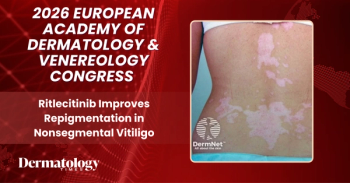
At a Dermatology Times Case-Based Roundtable in Nashville, Tennessee, clinicians working through three vitiligo cases repeatedly returned to the same obstacle: insurance coverage often dictated what patients could actually receive, regardless of the available evidence. Attendees described frequent denials when combining topical ruxolitinib with phototherapy because the combination is not specifically addressed in the product label, as well as continued challenges obtaining coverage for home phototherapy units when vitiligo is viewed as cosmetic rather than medically necessary.4
Evidence supporting conventional systemic immunosuppressants remains limited. In discussing a 29-year-old patient whose disease had progressed from stable arm involvement to facial lesions over 9 months, the panel weighed emerging oral JAK inhibitors such as povorcitinib and ritlecitinib against topical therapy, emphasizing that patient preference often becomes the deciding factor. The group also noted that visible-site disease, darker skin types, and greater body surface area are associated with a higher psychosocial burden, consistent with findings from the VALIANT survey.5
Methotrexate, mycophenolate, cyclosporine—the data's pretty poor actually for vitiligo. — Raj Chovatiya, MD, PhD, MSCI
▶ Why it matters: Build insurance appeals into the treatment plan from the first visit, and prepare patients for the timeline of repigmentation with topical ruxolitinib so they don't abandon therapy just before improvement begins.
A cross-sectional study of 57 adults with chronic spontaneous urticaria (CSU) found that lower vitamin B12 levels were associated with significantly longer-lasting wheals.3 Patients with vitamin B12 deficiency (below 200 pg/mL), representing 15.7% of the cohort, had a median wheal duration of 120 minutes compared with 60 minutes among patients with normal vitamin B12 levels. Pruritus duration also trended longer in patients with deficiency, although the difference did not reach statistical significance. Vitamin B12 levels showed no association with overall urticaria activity score, angioedema, IgE levels, or autologous serum skin test positivity.
The authors proposed several biologically plausible mechanisms, including altered immune regulation, homocysteine-mediated inflammation, and mast cell activation. However, the study's small sample size, single-center design, and cross-sectional methodology mean the findings identify an association, not proof that correcting vitamin B12 deficiency improves CSU outcomes.
▶ Why it matters: Consider checking a vitamin B12 level in patients whose wheals seem unusually persistent, but view a low result as one piece of the overall workup, not a treatment in itself.
Shontay Lundy, founder of Black Girl Sunscreen, told Dermatology Times that one of the most persistent misconceptions she encounters is the belief that darker skin doesn't require sunscreen because it doesn't burn. In reality, UV damage in melanated skin often presents differently, with patients noticing peeling or pigmentary changes rather than acute erythema after sun exposure.
Lundy also argued that sunscreen messaging has focused too narrowly on skin cancer prevention, overlooking concerns that often resonate more immediately with patients, including hyperpigmentation, uneven skin tone, and photoaging. She called for greater representation in dermatology research, education, and marketing, along with stronger collaboration between dermatologists and estheticians to reinforce consistent sun safety messaging.
Everybody needs to hold hands when it comes to the conversation of sun safety, sunscreen, and how to use it properly. It's bigger than a marketing story; your skin health is extremely important to your life. — Shontay Lundy
▶ Why it matters: Broaden sunscreen conversations with patients of color beyond skin cancer prevention alone. Discuss photoaging, pigment preservation, and overall skin health, and don't assume visible sunburn is the sign patients are looking for.
This week's Dermatology Times Spot Test quizzes readers on recent developments surrounding Evommune's phase 2b chronic spontaneous urticaria program, including EVO756's mechanism of action, trial results, and study design.
▶ Why it matters: It takes just a few minutes to reinforce this week's biggest clinical headlines, and see how much of the latest dermatology news you've retained.
References
Dermatology Times NP/PA Connect | The Breakout Bulletin