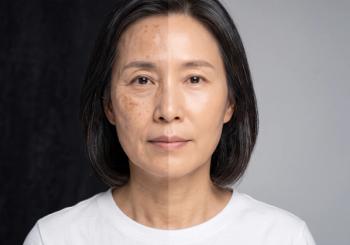
Dermatology’s growing focus on skin longevity demands clear definitions, validated outcomes, and rigorous evidence beyond anti-aging claims.
Anatomy-guided VectorLift thread lift cuts pain and downtime, lowers bruising risk, and delivers comparable facial lifting in real-world patient study.
A real-world comparative study evaluating the VectorLift technique suggests that an anatomically guided approach to facial thread lifting may improve patient comfort while maintaining aesthetic outcomes.1 Investigators reported significantly lower procedural pain, faster recovery, and fewer complications compared with conventional thread-lifting techniques, while achieving similar improvements in facial lifting.
Thread lifting has become an increasingly popular minimally invasive option for facial rejuvenation, offering an alternative to surgical facelift procedures for patients with mild to moderate skin laxity. However, discomfort during the procedure, bruising, swelling, and prolonged downtime remain common concerns.2 The investigators developed the VectorLift technique with cannulated polydioxanone threads to address these limitations by modifying thread placement according to facial anatomy.
Unlike traditional thread-lifting methods that rely on more standardized insertion patterns, the VectorLift technique emphasizes individualized thread placement based on facial anatomy and tissue support. Investigators designed the approach to minimize trauma to sensitive structures while optimizing lift vectors. By avoiding areas associated with greater discomfort and tissue injury, the technique aimed to improve patient tolerability during and after treatment.
The non-randomized, real-world study compared outcomes in patients treated with the novel VectorLift approach versus a conventional thread-lifting technique. Participants underwent facial thread-lifting procedures and were evaluated for procedural pain, recovery time, aesthetic outcomes, and adverse events. The primary objective was to determine whether the anatomically guided technique could reduce patient discomfort and downtime without compromising lifting efficacy.
One of the study's most notable findings was a significant reduction in procedural pain among patients treated with the VectorLift technique. Patients reported lower pain scores compared with those undergoing conventional thread lifting. The authors attributed this improvement to the anatomically guided placement strategy, which likely reduced tissue trauma and avoided highly innervated areas.
Recovery also appeared to improve with the VectorLift approach. Patients experienced shorter downtime before returning to normal daily activities compared with those treated using the conventional technique. The investigators noted that minimizing tissue injury likely contributed to the quicker recovery observed in the VectorLift group.
Despite reducing pain and recovery time, the VectorLift technique maintained aesthetic effectiveness. Investigators reported comparable lifting results between the anatomically guided technique and the conventional approach. Both methods produced improvements in facial contour and soft tissue repositioning, suggesting that reducing tissue trauma did not compromise cosmetic outcomes. These findings indicate that procedural modifications designed to improve patient comfort can potentially be implemented without sacrificing treatment efficacy.
The study also found fewer complications among patients treated with the technique. Although thread lifting is generally considered safe, complications such as bruising, swelling, tenderness, dimpling, and other procedure-related effects can occur. The anatomically guided approach was associated with a lower incidence of these events, supporting the concept that careful attention to facial anatomy may improve overall safety. The investigators emphasized that reducing complications may enhance both patient satisfaction and clinician confidence when performing these types of procedures.
As demand for minimally invasive facial rejuvenation continues to grow, approaches that reduce discomfort and shorten recovery may improve patient satisfaction while maintaining cosmetic outcomes. The study suggests that careful consideration of facial anatomy during thread placement may represent one strategy for optimizing treatment. The authors noted that the technique may be particularly valuable for patients seeking facial lifting with limited downtime or those concerned about procedural discomfort.
The investigators acknowledged several limitations. The study was non-randomized and reflected real-world clinical practice rather than a controlled trial. As a result, patient selection and treatment allocation may have introduced bias. Additional prospective, randomized studies with larger patient populations will be needed to further validate the findings and determine whether the benefits observed with the VectorLift technique are reproducible across broader clinical settings.
References
1. Leguina-Ruzzi A, Rawshani N, Brito S, Bin BH, Abbas Z, Zhao Q. VectorLift: Anatomically Guided Thread-Lifting Technique With Reduced Pain and Downtime - Results from a Real-World Non-Randomized Comparative Study. Clin Cosmet Investig Dermatol. 2026;19:613245. Published 2026 Jun 10. doi:10.2147/CCID.S613245
2. Pham CT, Chu S, Foulad DP, Mesinkovska NA. Safety Profile of Thread Lifts on the Face and Neck: An Evidence-Based Systematic Review. Dermatol Surg. 2021;47(11):1460-1465. doi:10.1097/DSS.0000000000003189