Banner - NPPA Connect
News|Videos|July 17, 2026

What's Next for Fractional Laser Therapy After the Epigenetic Findings?

Konika Patel Schallen, MD, discussed how nanofractional laser treatments may support regenerative skin health beyond cosmetic improvement and outlined the next research priorities in a recent Dermatology Times interview

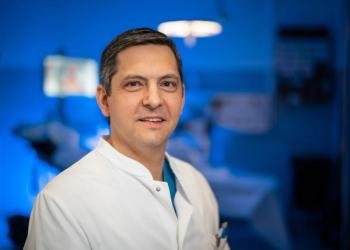
Konika Patel Schallen, MD, a practicing physician in Jacksonville, Florida, and medical director and senior vice president of clinical operations at Candela Medical, discussed what comes next following recent findings linking nanofractional laser resurfacing to epigenetic changes associated with skin aging. Schallen outlined how the research may reshape the role of energy-based devices in dermatology, from cosmetic procedures to potential tools for regenerative skin health, while highlighting ongoing studies and future research priorities.

Reframing Lasers Beyond Cosmetic Treatment

Schallen said lasers have traditionally been viewed as cosmetic devices, but emerging research suggests they may exert biologic effects that extend beyond visible improvements in skin appearance. She compared the trajectory to semaglutide, which was initially developed for diabetes before demonstrating broader benefits across multiple disease states.

I think the study positions nanofractional lasers not just as esthetic tools, but as potential instruments of regenerative medicine and skin health," - Schallen

Treatment Parameters Matter

Schallen said patients often ask whether at-home red light therapy masks offer similar benefits. While she believes red light therapy can be beneficial, she emphasized that outcomes depend heavily on the specific device and treatment protocol, making additional research necessary to identify the most effective approaches.

"It depends on the power of the red light, it depends on the wavelengths that are used, it depends on how they're applied, the duration, the protocol," Schallen said. "All of those details matter."

Building the Evidence Base

According to Schallen, Candela is conducting additional studies to better understand the durability of these molecular changes and determine whether treatment protocols can be optimized to prolong their effects. She emphasized that larger studies with longer follow-up will be necessary before the findings can be broadly translated into clinical practice.

"We definitely need larger trials, more participants, longer follow-up to be able to further validate and extend the findings," Schallen said.

Investigating Links to Skin Cancer Prevention

Schallen also highlighted the need to further investigate the relationship between the observed epigenetic changes and keratinocyte carcinogenesis. She said understanding those molecular pathways could ultimately help researchers develop protocols that support both skin rejuvenation and long-term skin health.

"We definitely want the field to explore more of that correlation that we're seeing with the molecular changes that we're seeing on the epigenetic level to keratinocyte cancers more rigorously," Schallen said.

What Patients Find Most Compelling

Although many patients initially pursue laser treatments for cosmetic reasons, Schallen said conversations about long-term skin health often resonate just as strongly.

"What really excites patients is showing how the impact is on their long-term skin health and long-term skin longevity," Schallen said. She encouraged clinicians to discuss the emerging evidence with appropriate patients while emphasizing that additional research is needed to further define the long-term biologic effects of these treatments.

References:

  1. Patel Schallen K, Schomacker K, Banila C, et al. Non-ablative fractional laser 1940-nm treatment modulates epigenetic signatures associated with skin aging in a split-face investigation. Sci Rep. 2026. doi:10.1038/s41598-026-56604-4.
  2. New human study in Nature's Scientific Reports finds Candela's Nordlys non-ablative fractional laser reverses the skin's epigenetic signature of aging. News release. Candela Corporation. June 30, 2026. Accessed July 10, 2026. Multivu.