This review of the latest dermatological studies includes insights on
In this episode, Renata Block, DMSc, MMS, PA-C, and Zachary Rubin, MD, discuss the overlapping worlds of allergy and dermatology—and how better cross-specialty understanding can dramatically improve patient outcomes.
Listen to The Cutaneous Connection on the go on
In a recent video episode of
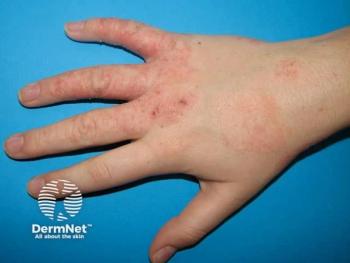
One of the most pressing topics the 2 addressed was the persistent myth that food elimination is an effective treatment for atopic dermatitis. Rubin emphasized that although patients, particularly parents of children with eczema, often arrive convinced that a dietary trigger is to blame, the science tells a more nuanced story. Meta-analyses of clinical trials have shown that dietary elimination alone does not achieve meaningful skin improvement in most cases. More importantly, early and regular exposure to allergenic foods like peanuts and cow's milk has actually been shown to reduce the risk of developing food allergies long term. Food avoidance, by contrast, can increase that risk.
Rubin also walked through the concept of the atopic march—the well-documented progression from infantile eczema to food allergy, allergic rhinitis, and asthma—explaining how a Th2-skewed immune response drives IgE production that affects not just the skin but also the gut, nasal passages, and lungs. Understanding this systemic picture, he argued, empowers patients to engage more meaningfully with their care teams.
Looking ahead, Rubin highlighted emerging treatments including Janus kinase inhibitors, the expanded use of omalizumab in food allergy, and a promising early-phase clinical trial exploring linvoseltamab, a multiple myeloma drug, in patients with severe eczema, as a way to potentially put food allergies into remission by targeting IgE-producing plasma cells.
The episode also touched on indolent systemic mastocytosis, a condition with a prevalence comparable to psoriasis that remains underrecognized, and ended with a clarifying discussion on the myth of hypoallergenic dog breeds, a topic Rubin noted comes up frequently in both allergy and dermatology practices.
Like this podcast, have suggestions, or want to participate in future episodes? Contact our team at