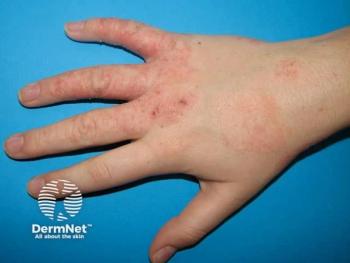
Dermatitis-related adverse events vary widely across atopic dermatitis systemic trials, driven by disease fluctuation and reporting differences, informing patient counseling and flare definitions.
Adam Friedman, MD, maps the AD comorbidity spectrum, from T2-driven diseases to sleep-related indirect consequences, and discusses clinical implications.
Like other chronic inflammatory skin diseases,
"I think we need to think in general when it comes to chronic inflammatory skin diseases that they all come with baggage," said Friedman, professor and chair of dermatology at the George Washington University School of Medicine and Health Sciences. "Discussing, thinking, soliciting, and even collaborating with your patients around comorbid diseases will make your life easier when directing them down the path of advanced therapies."
Type 2 Inflammatory Comorbidities in AD
Friedman drew a distinction between 2 categories of comorbidity. The first encompasses true comorbid diseases that fall under the
He also noted a broader T2 spectrum that includes chronic spontaneous urticaria, prurigo nodularis, and bullous pemphigoid. Although these conditions involve type 2 inflammation in somewhat different ways, they can all present in the same patient, underscoring the value of a thorough comorbidity review.
Historically,
Sleep Deprivation and Indirect Health Consequences
The second category, indirect comorbidities, stems not from the underlying inflammatory biology, but from the relentless, undertreated nature of the disease itself. Chief among these consequences is sleep disruption, which Friedman described as one of the most common and impactful complaints among AD patients.
"I choose not to get a lot of sleep," Friedman he told Dermatology Times. "These patients do not have that option."
Chronic sleep deprivation contributes to worsening hypertension and diabetes, and it raises the risk of distractibility and accidents. Friedman discussed published data documenting an elevated risk of bone fractures in AD patients, attributed to fatigue-driven trips, falls, and collisions, including car accidents.
Using Comorbidities to Guide Advanced Therapy Conversations
For Friedman, these comorbidities are not merely a clinical footnote; they are practical tools for gauging disease severity and opening the door to advanced therapy discussions. In his practice, he routinely asks patients about sleep and explores both absenteeism (missed work or school) and presenteeism, the subtler issue of being physically present but not fully functional.
He also makes a point of engaging others in the room (ie, parents, partners, and caregivers), asking whether the patient's disease is affecting their own sleep, work, or social life.
"That opens the door for a conversation about, well, this is not just a skin disease," Friedman told Dermatology Times. "You can see how it affects other parts of your life. But then it allows us to go into really soliciting a good past medical history or review of systems that could possibly allow for the referral to other members of the medical community to assess for some of these comorbid diseases."
More conference coverage can be found