

News|Articles|July 31, 2026
2026 Elevate Derm Summer Conference Day 3 Recap
Author(s)Shannon Heaning, Content Associate
Listen
0:00 / 0:00
Key Takeaways
- Case-based alopecia and scalp disorder instruction emphasized diagnostic nuances and management considerations specific to patients of color, including the impact of hair care and styling practices.
- Lifespan atopic dermatitis cases reinforced age-tailored diagnosis and treatment planning, complemented by practical discussion of wart management options extending beyond cryotherapy.
Catch Up on Coverage From Day 3 of the 3rd Annual Elevate-Derm Summer Conference
Advertisement
To stay informed with the latest conference insights,
Day 2 Expands the Conversation Across Medical Dermatology
The second day of
Hair Disorders, Atopic Dermatitis, and AI Take Center Stage
The morning opened with Oyetewa Asempa, MD, who presented a case-based review of alopecia and scalp disorders in patients of color, highlighting considerations unique to diverse patient populations.
April Armstrong, MD, and Walter Liszewski, MD, followed with a session examining atopic dermatitis throughout the lifespan through clinical cases that addressed diagnosis and management across age groups.
Later in the morning, Liszewski discussed treatment options for cutaneous warts beyond cryotherapy before Armstrong explored the evolving role of artificial intelligence in dermatology, encouraging attendees to consider both the opportunities and challenges presented by emerging technologies. Concurrently, attendees also had the opportunity to attend a breakout session reviewing submitted scientific abstracts.
Skin of Color and HS Remain Key Themes
The afternoon shifted its focus toward skin of color and inflammatory disease. Asempa returned to discuss
Later sessions continued the emphasis on
Psoriatic Disease Updates Close the Educational Program
The day's CME sessions concluded with Armstrong and Liszewski reviewing current developments in psoriatic disease, including evolving treatment approaches and future directions in patient care. The conference programming then transitioned from education to networking as attendees boarded the Stars & Stripes Dinner Cruise, providing opportunities to connect with colleagues while continuing conversations sparked throughout the day's sessions.
Looking Ahead to Day 3
Friday's agenda will feature updates in inflammaging, atopic dermatitis, psoriasis, chronic urticaria, biologic-associated immune responses, and inflammatory dermatoses, along with additional SkinSync Live discussions and networking opportunities.
Make sure to
Advertisement
Related to this article
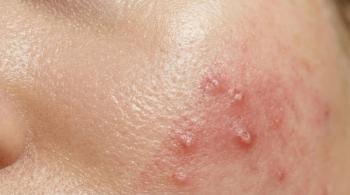
Alexandra Charrow, MD, discussed biologic selection, deroofing, and emerging procedural approaches to hidradenitis suppurativa at Maui Derm NP+PA Fall 2026.

Maui Derm NP+PA Fall 2026 brought APPs together for updates spanning inflammatory disease, oncology, emerging therapies, and diagnostic challenges.
Dermatology Times previews the research, clinical updates, late-breaking data, and therapeutic advances to watch at EADV 2026 in Vienna.
Faculty from the Cutaneous Oncology Workshop answer practical questions spanning skin cancer prevention, diagnosis, treatment, and follow-up.

The inaugural workshop explored skin cancer care from prevention and diagnosis through systemic therapy, radiation, and multidisciplinary management.
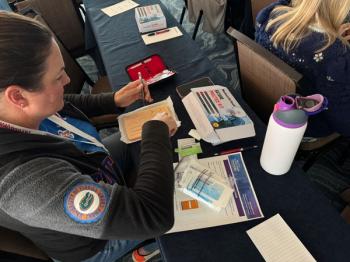
The final session of the Cutaneous Oncology Workshop explored advances in systemic therapy, management of immunotherapy-related skin reactions, and the role of radiation.
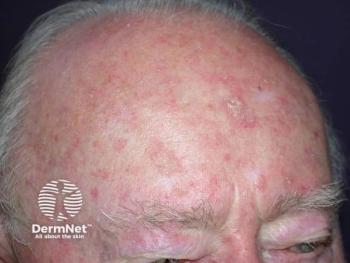
At the Dermatology Times NP/PA Cutaneous Oncology Workshop in Tampa, Florida, Amit Om, MD, outlined why field-directed therapy is increasingly favored over lesion-directed treatment for actinic keratosis.
At the Cutaneous Oncology Workshop, faculty explored lesion recognition, surgical decision-making, risk stratification, and the evolving role of molecular testing.
Advertisement
Advertisement
Trending on Dermatology Times
1
FDA Approves Baricitinib for Adolescents With Severe Alopecia Areata
2
From Mechanism to Management: Navigating Male Pattern Hair Loss and New Topical Therapies
3
Dr. Charrow Highlights Earlier Biologic Use and Deroofing in Hidradenitis Suppurativa
4
Tremfya Meets Primary, Major Secondary Endpoints in Phase 4 STAR Study of Axial PsA
5