The FDA approval, based on 36-week data from the phase 3 BRAVE-AA-PEDS trial, extends baricitinib access to patients as young as 12 years old with severe alopecia areata.
Experts discuss hair loss challenges and treatments for skin of color, highlighting the importance of early intervention and accurate diagnosis.
During the 8th Annual
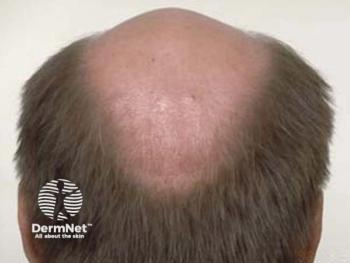
Adotama opened with androgenetic alopecia, or male pattern hair loss, emphasizing its prevalence and the importance of identifying progression early. “It can affect a lot of people...I’ve seen studies go up to 70-80%. So this can really run families, and it can be a source of distress.” The Norwood-Hamilton scale remains the primary staging tool, ranging from early hairline recession to advanced crown thinning.2
A central message was proactive management. “I can’t go from stage 7 to stage 1,” Adotama explained. “It’s really important that we treat aggressively and treat early so we can prevent the progression of hair loss.”
FDA-approved topical minoxidil continues to be a foundational therapy, although as Adotama noted, “you do want to use it for a very long time to maintain those benefits.” Off-label oral minoxidil is increasingly used in low doses but requires careful monitoring due to risks such as hypertrichosis, cardiovascular symptoms, and edema.
Finasteride, another FDA-approved option, remains effective but requires nuanced counseling regarding sexual and mood-related adverse effects. For patients hesitant about systemic drugs, compounded topical finasteride and intralesional dutasteride offer alternative routes of administration with potentially reduced systemic exposure.
Platelet-rich plasma (PRP) has become popular for its autologous, drug-free mechanism. While safe for all skin types, and Adotama notes he loves to use it in clinic, it is costly and lacks standardization across preparation systems, contributing to variable outcomes.
Hair transplantation remains an effective surgical option, but presenters emphasized that candidates must maintain concurrent medical therapy and hold realistic expectations. Inappropriate patient selection, especially in those with scarring alopecias or body dysmorphic concerns, can limit success.
Pseudofolliculitis barbae, or razor bumps, disproportionately affects men of African descent—up to 83%—due to tightly coiled hair that re-enters the skin after shaving. Management requires identifying contributors such as shaving technique, blade type, and hair removal practices. Chemical depilatories, electric clippers, electrolysis, and especially laser hair removal are effective interventions. Laser therapy, however, must be performed by clinicians experienced with deeply pigmented skin to reduce the risk of burns or dyspigmentation.
Barbosa highlighted advances in alopecia areata (AA), a common autoimmune condition affecting about 2% of the population. Presentations vary widely, from isolated patches to more severe forms including alopecia totalis and universalis. The landscape has shifted dramatically: 3 JAK inhibitor medications have gained FDA approval in the past 3 years. The results can be transformative, with some patients experiencing near-complete regrowth.
Frontal fibrosing alopecia (FFA), a scarring alopecia historically diagnosed in White women, is now increasingly recognized in Black patients, often after years of misdiagnosis. This condition may mimic the ophiasis pattern of alopecia areata, but unlike AA, FFA leads to permanent follicular destruction. Emerging research is exploring potential environmental triggers such as titanium dioxide in sunscreens and botanical fragrance components, though data remain limited.
CCCA primarily affects women of African descent and is one of the most common scarring alopecias in this population. Barbosa emphasized the need for awareness, calling it “the most common hair loss you never heard of.” Early symptoms often include itching, tenderness, or breakage at the crown. Without intervention, inflammation leads to irreversible follicular damage. Treatment typically involves steroids (topical or injected), anti-inflammatory antibiotics, and minoxidil; however, there are currently no FDA-approved therapies specifically for CCCA. Promising but preliminary studies are exploring JAK inhibitors, metformin, and other agents.
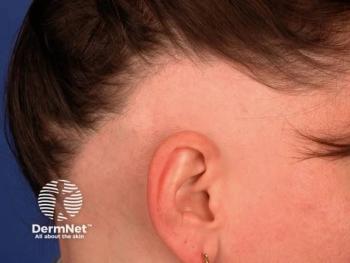
Traction alopecia (TA), caused by chronic tension from styles such as tight braids, weaves, locs, or cornrows, remains widespread. TA is 100% preventable, yet sociocultural norms—and the normalization of recession in the Black hairline—delay diagnosis. Once scarring develops, hair transplantation becomes the most viable restorative option.
Historically, many forms of alopecia in patients with skin of color, such as frontal fibrosing alopecia and ophiasis-pattern alopecia areata, were falsely written off as traction alopecia, leading to delayed treatment and permanent hair loss. As Barbosa emphasized, clinicians must “be thorough in their evaluation and not dismissive, to make sure we’re getting the right diagnosis, so we get the right treatment.”
Advances in understanding hair disorders in patients with skin of color underscore the importance of early recognition, accurate diagnosis, and individualized therapy. From FDA-approved medications and regenerative therapies to culturally sensitive hair care interventions, dermatologists now have more tools than ever before to prevent irreversible hair loss. Public awareness, support from clinicians and media, and continued research are essential to ensure equitable care and optimal outcomes for all patients.