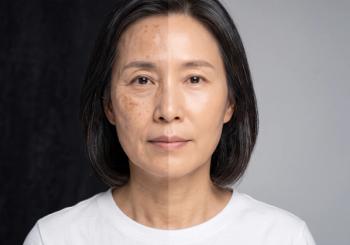
Dermatology’s growing focus on skin longevity demands clear definitions, validated outcomes, and rigorous evidence beyond anti-aging claims.
Discover how a new topical cream effectively improves skin volume and elasticity in patients experiencing rapid weight loss.
Rapid weight loss associated with GLP-1 receptor agonists, dual GLP-1/GIP agonists, bariatric surgery, or intensive behavioral interventions is increasingly linked to accelerated facial aging, Dermatologists and aesthetic clinicians are treating more cases of loss of subcutaneous fat, reduced dermal support, laxity, and increased wrinkle prominence in clinic, currently being termed
In this 12-week, open-label clinical trial, 29 participants aged 35 to 65 years were enrolled at the Integrative Research Institute in Sacramento, California, from November 2024 to June 2025. Patients had self-reported ≥10% body weight loss within the prior year and at least 2 visible signs of facial aging, such as volume loss, sagging, laxity, wrinkles, and dullness. Most participants were female with a mean age of 49 years. Regarding weight loss methods, 15 used GLP-1 agonists like semaglutide and 9 used GLP-1/GIP co-agonists like tirzepatide. Others had bariatric surgery or non-biologic methods.
The patients applied the investigational cream (Vol.U.Lift) twice daily to the face, neck, and jawline, alongside a standard sunscreen. Assessments at baseline and weeks 2, 4, 8, and 12 included clinical wrinkle grading, high-resolution photography, ultrasound-based skin and subcutaneous thickness, transepidermal water loss (TEWL), hydration, and elasticity and firmness measurements using validated devices.
The Vol.U.Lift formulation was designed to act at multiple skin levels. Ingredients include humectants such as hyaluronic acid for hydration and superficial plumping; antioxidants such as vitamin C and astaxanthin to mitigate oxidative stress and support collagen stability; bakuchiol as a retinoid-alternative modulator of extracellular matrix gene expression; and agents proposed to influence deeper structures, including Anigozanthos flavidus extract and L-ornithine, which may reduce adipocyte lipolysis. This multimodal approach aimed to synergistically address both epidermal quality and deeper dermal/subcutaneous support.
Dermatologist-graded wrinkle severity improved significantly, with a 14.5% reduction at week 4 and a 20.7% reduction at week 12 (both p < 0.001). Ultrasound imaging demonstrated increased combined skin and subcutaneous thickness of the cheek by 17.3% at week 4 (p = 0.04) and 20.1% at week 12 (p = 0.015), suggesting improved tissue fullness or dermal/subdermal remodeling.
Skin biomechanical properties also improved. Firmness increased by 22.5% at week 12 (p ≤ 0.002), viscoelasticity by 13.1% (p ≤ 0.02), and net elasticity by 23.2% (p ≤ 0.0002). These findings indicate enhanced resistance to deformation and recovery after mechanical stress, consistent with improved dermal matrix function and reduced laxity.
Barrier and hydration parameters showed early and sustained benefit. Stratum corneum hydration increased significantly as early as week 2 (21.3%, p ≤ 0.01) and remained elevated at weeks 4 and 12 (≈20% increases). TEWL decreased by 10.4% at week 4 and 12.7% at week 12 (both p ≤ 0.02). Although a relative dip in hydration and elasticity measures occurred around week 8, values remained above baseline. The study authors inferred that this drop “likely reflects physiological variability during ongoing weight change and environmental exposure, rather than a loss of efficacy of the topical volumizing regimen.”
By week 12, all participants reported no itching, burning, or stinging, and no treatment-related adverse events occurred. Rates of erythema or pigmentary change were minimal and mild when present. Importantly, overall body weight changed only modestly during the 12-week study (−1.68% on average), with statistically significant additional loss primarily in the GLP-1/GIP co-agonist subgroup. Most other participants had relatively stable weight, suggesting that observed facial improvements were not simply due to reversal of ongoing weight loss.
There were some potential limitations, including the open-label design, lack of a control arm, small sample size, short duration, and predominance of female participants. The concurrent use of sunscreen reflects real-world care but introduces a minor confounder, although sunscreens are not known to affect facial volume.
Overall, these findings suggest that a targeted topical regimen may offer a noninvasive adjunct to address volume-related and barrier changes in patients undergoing rapid weight loss, particularly those treated with GLP-1–based therapies. Larger, controlled trials are needed to confirm structural effects and clarify mechanism, particularly in long-term settings and when used preventatively.
References
1. Daneshgaran G, Shauly O, Gould DJ. "Ozempic Face" in Plastic Surgery: A Systematic Review of the Literature on GLP-1 Receptor Agonist Mediated Weight Loss and Analysis of Public Perceptions. Aesthet Surg J Open Forum. 2025;7:ojaf056. Published 2025 Jun 11. doi:10.1093/asjof/ojaf056
2. Nguyen N, Aguilar A, Afzal N, et al. Topical Volumizing Cream Improves Facial Volume and Skin Health in Adults With Rapid Weight Loss From Pharmacologic (GLP-1/GIP Agonists), Surgical, or Behavioral Interventions. J Cosmet Dermatol. 2026;25(1):e70681. doi:10.1111/jocd.70681