


Feature|Videos|September 25, 2026
From Mechanism to Management: Navigating Male Pattern Hair Loss and New Topical Therapies
Explore what drives male pattern hair loss, its emotional toll, and why new topical antiandrogen clascoterone may boost density while limiting systemic effects.
Advertisement

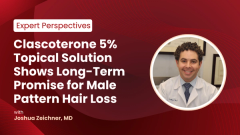
To conclude this Dermatology Times
The Underlying Mechanisms of Androgenetic Alopecia
Male pattern hair loss, the most common form of hair loss for men in the US, develops through a combination of genetic susceptibility and sensitivity to androgen hormones, particularly testosterone and dihydrotestosterone (DHT). This sensitivity contributes to progressive miniaturization of hair follicles, particularly along the frontal hairline and vertex. Early signs can be subtle, including increased hair shedding or gradual thinning at the crown or frontal hairline. Zeichner emphasized that early evaluation by a board-certified dermatologist is important because addressing hair loss sooner may improve long-term outcomes.
The Psychosocial Impact of Hair Loss
Beyond its physical manifestations, hair loss can affect self-esteem, confidence, and social interactions. While some men accept hair thinning as a normal part of aging, others experience a meaningful psychosocial burden and may benefit from discussing treatment options with a dermatologist.
“Hair loss is much more than just a cosmetic concern. It’s closely tied to how people identify and how they see themselves,” Zeichner emphasized. “Especially if it’s impairing people’s self-esteem, we want to be able to offer them effective treatments that are safe to help them grow more hair and help them feel more confident in their own skin.”
He also addressed the challenge of misinformation surrounding hair loss treatments on social media. He encouraged patients to prioritize products and therapies supported by clinical testing demonstrating safety and efficacy rather than relying on unsubstantiated claims.
Current Treatment Landscape and Emerging Therapies: Clascoterone 5%
Although multiple medications are available for androgenetic alopecia, Zeichner noted that there is not yet a single treatment that works universally without potential adverse effects. An important area of research is therefore the development of therapies that more selectively target androgen signaling within the hair follicle. Oral hormonal therapies can produce systemic exposure, prompting interest in topical approaches that may limit effects beyond the scalp.
Among these emerging therapies is clascoterone 5% solution, which has been evaluated in phase 3 studies for male pattern hair loss. Twelve-month data demonstrated a safety and tolerability profile similar to vehicle, with no significant hormone-related adverse effects reported and minimal systemic absorption consistent with earlier studies. Patients who continuously used the solution also demonstrated a 2.39% increase from baseline in target-area hair density.
Clascoterone works by blocking the interaction between DHT and androgen receptors in the hair follicle. A 1% cream formulation is already available for acne, where it inhibits androgen receptor activation in sebaceous glands. The investigational 5% solution represents a potential follicle-targeted approach to androgenetic alopecia and illustrates the broader shift toward treatments designed to address the disease’s underlying hormonal mechanisms while minimizing systemic exposure.
“A drug like clascoterone 5% solution that blocks that interaction through a topical application in an effective way and a safe way without potential systemic hormone side effects means that this drug can be a foundational treatment for all patients with male pattern hair loss,” Zeichner concluded.
Catch up with the full video series
Advertisement
Related to this article
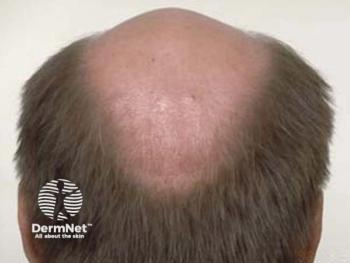
Three experimental hair loss mechanisms are moving through late-stage trials for the first time in decades, and the data are worth knowing before patients ask.

Guselkumab met primary and major secondary endpoints in the phase 4 STAR study, improving axial PsA symptoms and MRI-confirmed inflammation.

Find out what skin care products and aesthetic innovations clinicians are recommending to patients for the month of September.
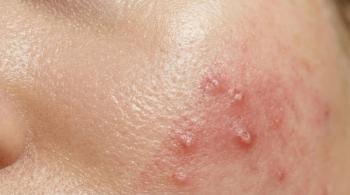
Alexandra Charrow, MD, discussed biologic selection, deroofing, and emerging procedural approaches to hidradenitis suppurativa at Maui Derm NP+PA Fall 2026.

Week 28 data from the phase 2a EVERLAST-A trial showed PASI 100 responses increased to 71.4% despite no additional ORKA-001 dosing after week 4.
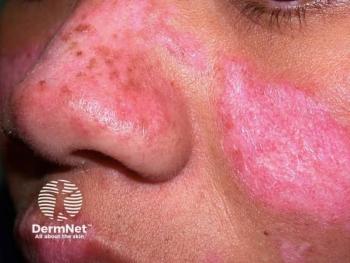
Immunovant will discontinue development of imeroprubart in cutaneous lupus erythematosus after the phase 2b study failed to meet its primary endpoint.

This review of the latest dermatological studies includes insights on

Both barzolvolimab doses improved UAS7 at week 12 in EMBARQ-CSU1 and EMBARQ-CSU2, with up to 54% of patients reaching complete response by week 24.
Advertisement
Advertisement
Trending on Dermatology Times
1
FAQ: Everything Clinicians (and Their Patients) Want to Know About the Hair Loss Pipeline
2
Barzolvolimab Achieves All Phase 3 End Points in Chronic Spontaneous Urticaria
3
Tremfya Meets Primary, Major Secondary Endpoints in Phase 4 STAR Study of Axial PsA
4
Dr. Charrow Highlights Earlier Biologic Use and Deroofing in Hidradenitis Suppurativa
5