Two-year oral IL-23 data, GLP-1 biomarker findings, and a nonsurgical option for superficial basal cell carcinoma headline the sessions covered in Las Vegas.
Lakshi M. Aldredge, MSN, ANP-BC, DCNP, discusses late-breaking data preseneted at SDNP on novel immune-mediated therapies for atopic dermatitis, alopecia areata, and hidradenitis suppurativa.
Lakshi M. Aldredge, MSN, ANP-BC, DCNP, a dermatology nurse practitioner at the VA Portland Healthcare System in Oregon, co-presented late-breaking data alongside Andrew Blauvelt, MD, on emerging immune-mediated medications for several challenging dermatologic conditions at the
Aldredge highlighted amlitelimab, an OX40 ligand inhibitor, as a particularly noteworthy addition to the atopic dermatitis treatment space. She described the agent as representing a novel mechanism of action, distinguishing it from currently available biologics. "I’m really excited about amlitelimab, an OX40 ligand inhibitor for the treatment of atopic dermatitis," Aldredge said. "That is really exciting, representing a novel mechanism of action."
Findings from the COAST 1 (
Aldredge noted the data in alopecia areata as particularly compelling, citing the hair regrowth outcomes observed across multiple JAK inhibitor molecules. She reported robust responses even among patients with alopecia totalis, including regrowth of eyebrows and eyelashes. "We've got several molecules that have really transformed the way we are seeing patients respond, with just incredible hair growth after 20 weeks of treatment," Aldredge said. "Some of these patients being able to achieve full growth of hair, even in our totalis patients, as well as eyebrow and eyelash regrowth."
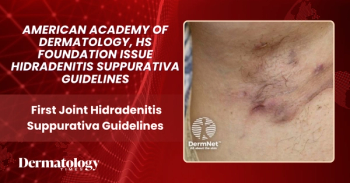
Aldredge described hidradenitis suppurativa as one of the hardest-to-treat conditions in dermatology and expressed enthusiasm for both emerging agents and existing therapies pursuing FDA approval for HS indications. She specifically called out bimekizumab data as a notable development in the space. "Very excited about the bimekizumab data, HS is one of the hardest to treat conditions," Aldredge said. "So excited to see studies looking at novel ways of treating it, and also using existing methodologies but seeking FDA approval for treatment of HS."
Recent
Aldredge framed all 3 areas as high-need priorities in her clinical practice and emphasized the significance of being able to share the data with the broader dermatology community.
References