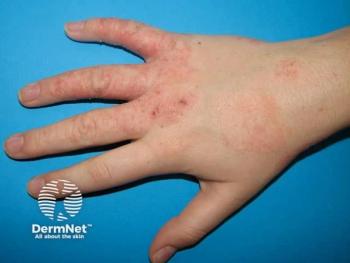
The merger, backed by an oversubscribed $180 million private placement, will fund development of NOR-101, an IL-13 x IL-18 bispecific antibody entering phase 1 trials in atopic dermatitis in early 2027.
Expert consensus clarifies systemic corticosteroid use in atopic dermatitis, emphasizing risks and advocating for advanced therapies for better patient outcomes.
Systemic corticosteroids (SCS) have historically been used in the management of atopic dermatitis (AD) because of their rapid anti-inflammatory effects and widespread availability. Despite longstanding guideline recommendations discouraging their routine use, SCS continue to be prescribed in both adolescent and adult AD populations, often for acute flares or as intermittent rescue therapy.1 The 2026 expert consensus published in Archives of Dermatological Research sought to address persistent variability in clinical practice by clarifying definitions of short- and long-term SCS exposure, summarizing the evidence on associated risks, and providing practical guidance on transitioning patients to advanced systemic therapies.2
While multiple professional societies, including the American Academy of Dermatology (AAD), EuroGuiDerm, and the International Eczema Council, recommend limiting SCS use in AD, ambiguity remains around what constitutes “short-term” exposure. This lack of standardization has contributed to inconsistent prescribing patterns, repeated corticosteroid courses, and delays in initiating FDA-approved advanced systemic therapies.
To address these gaps, a panel of 9 dermatologists with expertise in AD management conducted a comprehensive literature review of PubMed, Scopus, and Google Scholar, identifying 500 potentially relevant publications. Twenty-seven articles—including randomized trials, observational studies, systematic reviews, and meta-analyses—met inclusion criteria and were evaluated using Strength of Recommendation Taxonomy (SORT) criteria. Consensus statements were developed and finalized using a modified Delphi process, requiring unanimous agreement for adoption.
The panel unanimously endorsed 11 consensus statements, 8 supported by SORT level A evidence. The foundational recommendation is that systemic corticosteroids should generally be avoided in the management of AD, given their unfavorable benefit–risk profile and the availability of more effective and safer long-term options.
A central contribution of the consensus is the establishment of clear duration-based definitions. Short-term SCS exposure is defined as less than 4 weeks, while 4 weeks or longer constitutes long-term use, a threshold informed by evidence on hypothalamic–pituitary–adrenal (HPA) axis suppression and cumulative toxicity. Importantly, the panel classified any intramuscular corticosteroid injection as systemic therapy, with even a single dose considered long-term exposure in the context of AD management.
The consensus emphasizes that short-term SCS use should not be considered benign. Population-based cohort studies reviewed by the panel demonstrated that even brief courses, often lasting less than 7–14 days, are associated with significantly increased short-term risks, including sepsis, venous thromboembolism (VTE), and fractures. These associations persist at low daily doses (<20 mg prednisone-equivalent). Additional short-term adverse effects include mood changes, sleep disturbance, hyperglycemia, gastrointestinal symptoms, immunosuppression, and, in some cases, avascular necrosis.
Repeated short courses were associated with further increases in metabolic and cardiovascular risk, highlighting that intermittent prescribing may compound harm rather than mitigate it.
Long-term SCS use was consistently associated with a broad range of serious adverse outcomes, including hypertension, diabetes, osteoporosis, fractures, cataracts, major adverse cardiovascular events (MACE), VTE, adrenal insufficiency, and infection. Several studies demonstrated a clear dose- and duration-dependent relationship, with risks escalating beyond 30–90 days of exposure and increasing with cumulative lifetime dose. The panel therefore strongly discouraged repeated or prolonged courses, noting that such patterns reflect inadequate disease control rather than appropriate chronic management.
A key clinical recommendation is that any exposure to systemic corticosteroids, regardless of duration, should be considered a systemic therapy trial, rendering the patient appropriate for transition to advanced systemic therapy. This has important implications for clinical decision-making and payer authorization pathways.
Advanced systemic therapies, including biologics targeting IL-4/IL-13 pathways and oral Janus kinase (JAK) inhibitors, were identified as preferred options due to their demonstrated efficacy, durability of response, and more favorable long-term safety profiles. The panel noted that oral JAK inhibitors, in particular, provide rapid symptom control comparable to SCS while offering sustained disease management without cumulative corticosteroid toxicity.
Conventional systemic immunosuppressants (e.g., cyclosporine, methotrexate, azathioprine) were considered secondary options, appropriate primarily when advanced therapies are unavailable, contraindicated, or used as adjuncts in select cases.
The panel acknowledged that rare clinical scenarios may necessitate SCS use, such as lack of access to alternative therapies or short-term bridging during initiation of steroid-sparing agents. In these situations, SCS should be prescribed at the lowest effective dose, for the shortest possible duration, with close monitoring and a clear plan for transition off corticosteroids.
This expert consensus provides clinicians with a standardized framework for evaluating systemic corticosteroid use in AD. By defining clinically meaningful exposure thresholds, reinforcing the risks associated with both short- and long-term use, and emphasizing early transition to advanced systemic therapies, the recommendations aim to reduce avoidable harm and align real-world practice with contemporary evidence-based standards of care.
References