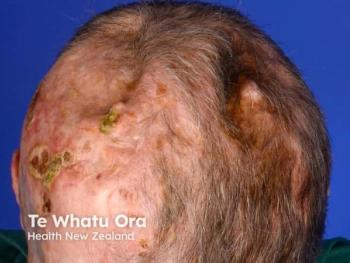
Sol-Gel Technologies has completed patient follow-up in its pivotal phase 3 trial of SGT-610 (patidegib gel, 2%) for Gorlin syndrome, with top-line results expected in late November 2026.
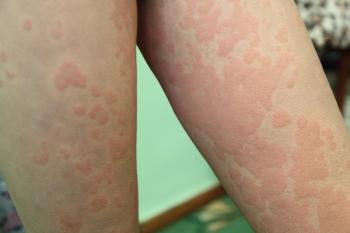
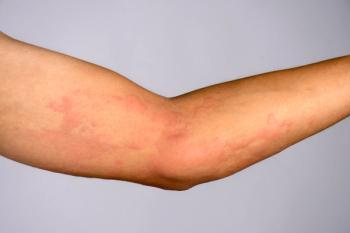
Jasper Therapeutics reveals promising briquilimab data, showcasing rapid disease control and safety in chronic spontaneous urticaria and chronic inducible urticaria.
Today, Jasper Therapeutics, Inc reported positive updated clinical data for briquilimab, a novel monoclonal antibody targeting KIT (CD117), from its ongoing clinical development program in chronic spontaneous urticaria (CSU).1 The newly released results include additional data from the
BEACON is a randomized, double-blind, placebo-controlled phase 1b/2a trial evaluating multiple ascending doses of subcutaneous briquilimab in adults with moderate to severe CSU inadequately controlled by high-dose antihistamines. The primary objectives are assessment of safety and tolerability, and the secondary end points include measures of clinical activity and pharmacokinetic/pharmacodynamic effects, such as changes in serum tryptase and mast cell density in skin. Clinical efficacy was primarily assessed using the Urticaria Activity Score over 7 days (UAS7).
The updated BEACON data include 8 additional participants enrolled in the cohort who received the 240-mg loading dose followed by 180 mg every 8 weeks; 6 received briquilimab, and 2 received a placebo. Among patients treated with briquilimab, the mean reduction in UAS7 from baseline was 31 points at 12 weeks, reflecting a substantial improvement in disease activity. Notably, 83% of treated participants achieved a complete response (UAS7 = 0) by week 3 following the initial dose, and 67% maintained a complete response at week 12.
Additional supportive evidence comes from the ongoing open-label extension study, which enrolls patients with CSU from BEACON and patients with CIndU from the SPOTLIGHT study (NCT06353971) who have completed their parent trials. In the extension, participants receive briquilimab 180 mg every 8 weeks. Jasper Therapeutics reported 12-week efficacy data for 36 patients with CSU and 17 patients with CIndU.
In the CSU cohort, 58% of patients achieved a complete response at 12 weeks, and 75% achieved either a complete response or well-controlled disease, defined as UAS7 of less than or equal to 6. In patients with CIndU, efficacy assessments were conducted every 8 weeks, and 65% achieved either a complete or partial response at 16 weeks, corresponding to 8 weeks after the second dose.
Briquilimab continued to demonstrate a favorable safety profile. In the BEACON study, no dose-limiting toxicities were observed, and adverse events potentially related to KIT blockade were infrequent, predominantly low grade, and generally resolved during continued treatment. Importantly, no participants discontinued treatment. Similarly, in long-term data with a median follow-up duration of 205 days across 63 participants (CSU, 46; CIndU, 17), the drug remained well tolerated. With these data, a phase 2b study in CSU is expected to commence in the second half of 2026.
“We are very pleased to present data from additional patients enrolled in the BEACON study, which reaffirms the potential of briquilimab to drive rapid and durable disease control in patients with CSU,” said Daniel Adelman, MD, acting chief medical officer of Jasper Therapeutics. “We are also pleased by the performance of the 180-mg dose [administered every 8 weeks] in the open-label extension study, with the strong efficacy observed in [patients with] CSU and CIndU. Taken together with the favorable safety and tolerability profile observed in both studies, we believe these data are sufficient to support a differentiated profile for briquilimab in chronic urticaria. On behalf of the Jasper team, I’d like to thank the investigators and the patients who participated in the study, along with their families and caregivers.”1
References
1. Jasper Therapeutics reports positive updated data from briquilimab studies in chronic spontaneous urticaria. News release. Jasper Therapeutics. January 8, 2026. Accessed January 8, 2026.
2. Jasper Therapeutics reports clinical data update from briquilimab studies in chronic spontaneous urticaria. News release. Jasper Therapeutics. July 7, 2025. Accessed January 8, 2026.