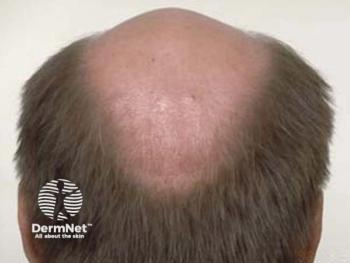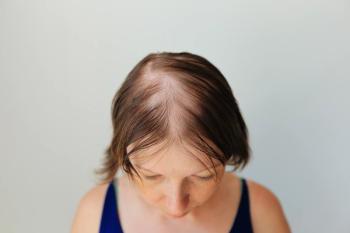
From emerging therapies to earlier intervention and psychosocial support, Dermatology Times looks back at key alopecia areata developments in 2026.
A new study evaluates the quality and reliability of melasma posts on TikTok and Bilibili, highlighting gaps in treatment information and educational value.
A new cross-sectional study has assessed the content structure, educational quality, and reliability of melasma-related short videos on TikTok and the Chinese video-sharing app, Bilibili, with a focus on implications for patient education and clinical practice.1 Both of these social media channels have rapidly emerged as major channels for public health communication in recent years.2
Although not medically dangerous, the cosmetic visibility of melasma often results in substantial psychosocial burden, prompting many patients to seek health information outside traditional clinical settings. This is the first trial to evaluate the content quality and reliability of melasma-related videos on short-form video platforms to date.
Between August 17 and 19, 2025, the investigators searched both platforms and analyzed the top 150 videos returned by each platform’s default ranking algorithm. After applying predefined inclusion and exclusion criteria, 237 videos were included in the final analysis. Data collected included video duration, engagement metrics (likes, comments, collections, and shares), content categories, uploader identity, and quality scores. Two independent reviewers evaluated each video using the Global Quality Score (GQS), which assesses overall educational value, and the modified DISCERN (mDISCERN) tool, which evaluates reliability.
Overall, the melasma-related videos demonstrated substantial heterogeneity in length, engagement, and quality. The median video duration was 127 seconds on Bilibili and 47 seconds on TikTok, consistent with previous analyses of acne-related videos on social media.3 Engagement metrics were highly skewed, with a small proportion of videos generating very high interaction, while many received limited attention. Content analysis revealed a marked imbalance in topic coverage. Clinical manifestations (46.8%), etiology (44.3%), and diagnosis (40.1%) were the most frequently addressed themes, whereas treatment-related information was notably underrepresented, appearing in only 9.7% of posts.
The overall educational quality and reliability of the posts were moderate. Median GQS and mDISCERN scores were both 3 on a 5-point scale, indicating intermediate quality with incomplete or inconsistently presented information. Importantly, engagement metrics showed no correlation with quality scores, underscoring a disconnect between popularity and educational value. Videos with high visibility were not necessarily those with accurate or comprehensive information.
Significant differences were observed between the 2 platforms. TikTok videos were significantly shorter but achieved far higher engagement across all metrics, reflecting the platform’s algorithm-driven, entertainment-oriented design (P < .05). In contrast, Bilibili videos were longer and demonstrated higher mDISCERN scores, suggesting greater reliability and more balanced information. Although longer video duration was moderately associated with higher quality and reliability, this did not guarantee higher engagement.
Uploader identity also played a critical role in content quality. Videos produced by health care professionals (particularly specialized dermatologists) had significantly higher GQS and mDISCERN scores than those uploaded by nonprofessionals, including individual users and nonmedical institutions (P < .05). However, professional uploads did not consistently outperform nonprofessional videos in terms of engagement. Notably, nonspecialized physicians and individual users frequently generated higher engagement despite lower quality scores.
To “maximize both educational quality and dissemination impact,” creative yet refined online content strategies should be implemented by clinicians and dermatologic organizations, according to the authors. Common misconceptions around treatment strategies and sustained use must be addressed through corrective consultations and evidence-based educational resources. With these efforts on and offline, the community can better meet the needs of patients with melasma.
“Future studies should adopt longitudinal designs to track changes over time and develop evaluation instruments tailored to the unique features of short-video content,” the researchers added. “Incorporating patient perspectives into such evaluations would also provide a more comprehensive understanding of the impact of video content on decision-making and adherence.”
References
1. Chen Q, Zhang Z, Huang Y, Wang Z. The quality and reliability of short videos about melasma on TikTok and Bilibili: a cross-sectional study. J Cosmet Dermatol. 2025;24(12):e70578. doi:10.1111/jocd.70578
2. He F, Yang M, Liu J, et al. Quality and reliability of pediatric pneumonia related short videos on mainstream platforms: cross-sectional study. BMC Public Health. 2025;25(1):1896. doi:10.1186/s12889-025-22963-2
3. Ertekin SS, Salici NS, Manav Bas V, et al. Influence of social media and internet on treatment decisions in adult female acne patients: a cross-sectional survey study. Dermatol Pract Concept. 2024;14(3):e2024156. doi:10.5826/dpc.1403a156