SYX-5219 improved disease severity and itch in a Phase 1b trial of adults with moderate to severe atopic dermatitis.
At MOPD 2026, Nanette Silverberg, MD, and Lisa Swanson, MD, unpack teen AD, fragrance allergy, and social media skin care hype harming barriers.
The “Teen Skin SOS” session at
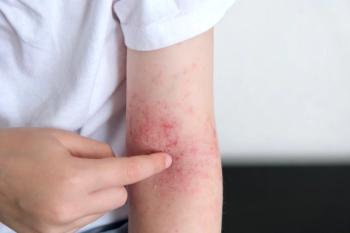
Silverberg opened by reframing how clinicians should approach adolescent atopic dermatitis (AD), emphasizing that teenage disease rarely presents as a clean continuation of childhood eczema. Instead, it often overlaps with acne, seborrheic dermatitis, folliculitis, and contact allergy. Midfacial erythema and forehead involvement are particularly challenging. As she noted, “we do see this mid facial ‘atopic,’ but it’s really an overlap with seborrheic dermatitis.” Acneiform lesions in these areas may reflect Malassezia-driven inflammation rather than classic acne vulgaris, complicating treatment choices.
Fragrance exposure emerged as one of the most consistent and underrecognized triggers in this age group. Teenagers are heavily exposed through body sprays, cosmetics, essential oils, and trendy beauty products. Silverberg emphasized that while younger children tend to develop irritant reactions, older patients increasingly show true allergic contact dermatitis. “The products that are marketed to teenagers have tremendous amounts of fragrance,” she said, pointing out that many allergens are hidden within botanical extracts and oils not explicitly labeled as fragrance.
Skin barrier disruption was a central theme throughout the talk, particularly in the context of adolescent hygiene habits. “There are 2 types of teenage boys,” Silverberg said. “They’re the ones that wash and then there are the ones that don’t wash, and you pray for the one who washes.” Yet over-washing is hardly benign. Excessive cleansing, exfoliation, and friction strip the barrier and facilitate allergen penetration, while underwashing can promote Staphylococcus aureus overgrowth, especially in athletes. The clinical challenge lies in guiding teens toward a workable middle ground.
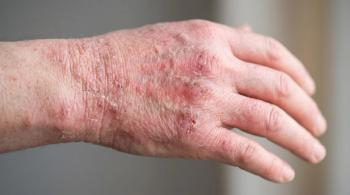
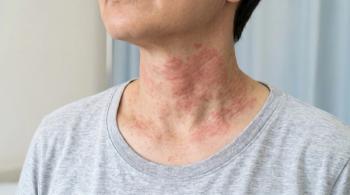
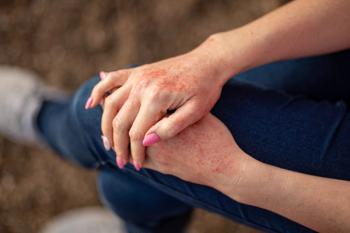
Certain anatomic sites were highlighted as especially relevant during adolescence. Eyelids, lips, hands, neck, and scalp are common sites of persistent disease into adulthood, underscoring the importance of early recognition and targeted counseling.
She also revisited the concept of the atopic march, urging clinicians to abandon the idea of a simple linear progression. “It really isn’t a straight march,” she said, describing instead a branching pattern of allergic and inflammatory comorbidities. These may include asthma, allergic rhinitis, seborrheic dermatitis, alopecia areata, and neurobehavioral conditions such as ADHD. Importantly, she highlighted data suggesting that sedating antihistamines may worsen attention-related symptoms, reinforcing the need for thoughtful medication choices.
Swanson’s presentation shifted the focus from disease biology to cultural forces shaping tween and teen skin care behaviors.2 In “Tween Skin and the Skincare Craze,” she examined how cosmeceuticals—products that exist “in a gray area between drugs and cosmetics”—are aggressively marketed to younger audiences despite limited safety and efficacy data. Bright packaging, celebrity endorsements, and pseudo-medical branding create the illusion of necessity for patients who often have healthy skin.
Social media only amplifies this effect. Swanson emphasized that “the majority of people…broadcasting this information are non medical professionals,” yet these voices dominate platforms like TikTok and Instagram. Teens struggle to differentiate entertainment from education, and highly engaging content frequently contains misinformation. The result is a generation of patients arriving in clinic with complex routines, unrealistic expectations, and significant anxiety about normal skin variation.
Despite these challenges, both speakers emphasized preserving the therapeutic alliance. Rather than dismissing trends outright, clinicians can help families distinguish what is harmless, ineffective, or genuinely dangerous. As Swanson summarized, “we need to meet them in the middle and say, yes, this is okay. This is not okay. This is useless.”
Together, the “Teen Skin SOS” session offered a timely and practical roadmap for clinicians navigating adolescent dermatology in 2026—one that integrates evolving science, modern behavior, and the realities of a digitally driven skin care culture.
References