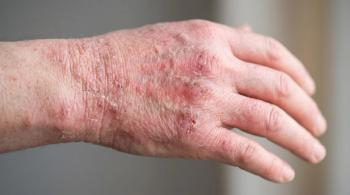
Christophe Piketty discusses 3-year ARCADIA data demonstrating sustained efficacy and long-term safety of nemolizumab in atopic dermatitis.
Michael Gold, MD, shares insights on safer device use, peptides, GLP-1s, acne, hair therapies, and more.
In a wide-ranging conversation with Dermatology Times at
For melasma and post-inflammatory hyperpigmentation, Gold emphasized what most seasoned clinicians learn the hard way: these are chronic, relapsing conditions. Energy-based devices can help, but only when used conservatively and in the right patient. Over-treatment remains a leading cause of rebound hyperpigmentation. Combination therapy, including topicals, sun protection, and cautious procedural intervention, remains the backbone. Patient education and expectation-setting are as important as any prescription pad.
Peptides continue to generate buzz, and Gold urged clinicians to separate marketing from mechanism. Some peptides show meaningful biologic activity, particularly in skin barrier support and inflammation modulation, but they are adjuncts, not replacements for established therapies. Understanding formulation, penetration, and realistic endpoints helps avoid overpromising and underdelivering.
As GLP-1 receptor agonists become commonplace, dermatologists are increasingly managing downstream aesthetic concerns. Rapid weight loss can unmask or worsen facial volume loss, skin laxity, and hair shedding. Gold stressed proactive counseling and early intervention—often with conservative energy-based tightening or biostimulatory approaches—rather than reactive overcorrection.
Gold highlighted how devices have earned a legitimate role in acne management, particularly for patients who cannot tolerate or do not respond to systemic therapies. Lasers and light-based devices can address active disease, scarring, and erythema, but results depend on appropriate patient selection and combination regimens. Acne, he reminded, is rarely a single-modality problem.
In aesthetic hair restoration, Gold advocated for realistic goals. Whether using devices, injectables, or topical agents, consistency and combination therapy outperform any single intervention. Small improvements, when sustained, can translate into meaningful patient satisfaction over time.
Finally, in his technology updates, Gold cautioned against adopting devices simply because they are new. The question should always be: does this meaningfully improve outcomes or safety? Incremental advances can be valuable, but only when integrated thoughtfully into existing treatment algorithms.
Across all topics, Gold’s central message was clear: progress in dermatology is rarely about reinvention. It’s about refinement—using experience, evidence, and restraint to deliver better care.