In a retrospective study of 393 patients, 51.9% had at least 1 abnormal LFT during follow-up, but only 1.1% had elevations above 3 times the upper limit of normal.
Day 3 of Fall Clinical 2026 featured roflumilast data in genital psoriasis, long-term JAK inhibitor safety in atopic dermatitis, and expert insights on setting expectations in HS, treating advanced cSCC, and screening aesthetic patients.
Day 3 of the
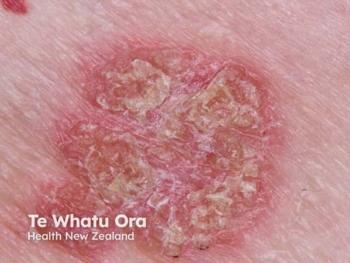
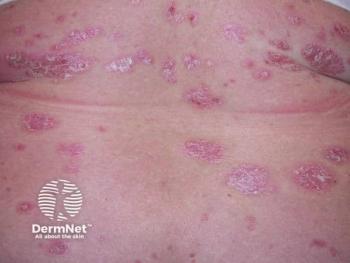
An analysis of the phase 3 DERMIS-1/2 and ARRECTOR trials found that roflumilast cream 0.3% (Zoryve) and roflumilast foam 0.3% improved sexual function, personal relationships, and skin outcomes in patients with plaque psoriasis, including those with genital involvement at baseline. At week 8 in DERMIS-1/2, 39.9% of patients on the cream achieved IGA success vs 6.5% with vehicle, and 39.3% vs 5.4% among those with genital involvement. In ARRECTOR, IGA success with the foam was 45.1% vs 5.7% in the genital subgroup. DLQI minimally important difference rates also favored roflumilast, and patient responses on sexual difficulties and relationship problems favored roflumilast over vehicle. Fewer than 1% of patients reported definite discomfort 10 to 15 minutes after the first application. The authors suggested providers consider discussing sexual function with patients who have genital psoriasis. P values for the genital subgroups were nominal.
In an interview with Dermatology Times, Hsiao said initial success in HS means fewer, smaller, shorter flares rather than clear skin, and that setting this expectation at the outset keeps patients on treatment long enough for it to work. She gives patients specific markers to track between visits, including less drainage, less pain, and new lesions that are fewer, smaller, and resolve faster. Without that framing, she said, a patient may conclude the medication isn’t working. Hsiao also reassesses disease severity and treatment effectiveness at 3 to 4 months and explains this timeline at the first visit. Because few HS therapies are available, she cautions against running through them too quickly.
Bunick, editor in chief of Dermatology Times, presented in a JAK inhibitor symposium focused on the safety of upadacitinib (Rinvoq) and abrocitinib (Cibinqo) in atopic dermatitis. Presenters reviewed rates of MACE, VTE, and malignancy, compared them with other medicines including tralokinumab, and for the first time compared them with apremilast. Long-term data now span about 7 years, and Bunick said the safety rates for the JAK inhibitors in atopic dermatitis are no higher than those of apremilast in psoriasis or psoriatic arthritis. The symposium also covered biomarker data, including reductions in high-sensitivity CRP, and real-world cases involving cancer, clotting history, and cardiovascular disease. Bunick called the data reassuring but cautioned that clinicians still need to do their job.
Trotter, who presented a session on cSCC and the latest in immunotherapy, said dermatologists should care about locally advanced and metastatic cSCC. About 95% of cases are treatable, but roughly 5% become harder to treat. Dermatologists are often the first to detect disease, and she described them as the quarterbacks in skin cancer who should stay involved after referral to oncology. She highlighted three approved immune checkpoint inhibitors: pembrolizumab (Keytruda), cemiplimab (Libtayo), and cosibelimab (Unloxcyt). Research on intralesional use may eventually give dermatologists an in-office role. Trotter also addressed proposed Medicare cuts, calling them a patient access issue that could delay care for older patients, who are disproportionately affected by skin cancer. She directed clinicians to saveskincancercare.org to sign the community petition.
Ablon shared highlights from 2 lectures, Evaluating the Aesthetic Patient and Treatment of Alopecia. She called the consult the most important part of aesthetic treatment and recommended screening every patient for body dysmorphic disorder, which she said is more common than clinicians realize. She also advised systematic documentation of informed consent and clinical photography. In alopecia, she emphasized making the correct diagnosis first, noting hair loss is multifactorial, and recommended starting early with combination therapy. Patients should expect 6 to 12 months to see dramatic results. Ablon said agents in development include topical antiandrogens, JAK inhibitors, stem cells, and exosome products.
Naim, chief medical officer for Sun Pharmaceuticals North America, told Dermatology Times that therapeutic innovation is the starting point in dermatology but clinician education is the foundation. He pointed to the company’s work with the Mount Sinai dermatology department and Mark Lebwohl, MD, over more than 15 years, and said the company is honoring Lebwohl for a lifetime of work. Naim called alopecia areata the company’s most direct interest because it has a JAK inhibitor for the condition, and said “HS is the new psoriasis,” given its substantial effect on quality of life. The company presented 2-year alopecia areata data at this meeting and at EADV, with sustained responses maintained. Naim said dermatologists will always ask for long-term data.