


Pediatric Dermatology
Latest News
Advertisement
Latest Videos


Shorts
0:59
The Sturge-Weber Foundation: Where Nobody Has to Hold Their Breath
4 months ago
by
Andrew C. Krakowski, MD(+2 more)

1:14
Don’t Be Rash: Fighting for Life-Changing HS Therapies in Pediatrics
5 months ago
by
Jillian Rork, MD(+1 more)

0:38
Don’t Be Rash: Why Standard Biologics Don’t Work for Patients with Down Syndrome
5 months ago
by
Jillian Rork, MD(+1 more)
0:30
Simplifying Infantile AD Care with Roflumilast Cream 0.05%
5 months ago
by
Patrick Burnett, MD, PhD
0:44
Why New Options Like Nemolizumab are Needed in Pediatric AD
5 months ago
by
Lawrence Eichenfield, MD
0:45
10-Minute Itch Relief for Infants With Atopic Dermatitis
5 months ago
by
Christopher G. Bunick, MD, PhD(+1 more)
0:41
Is It Atopic Dermatitis or Allergic Contact Dermatitis?
5 months ago
by
Jeff Yu, MD, MS

1:32
Sheet Masks for Kids? What to Watch For
7 months ago
by
Brittany Oliver, MD

1:32
Addressing Teen Skin Care Myths
7 months ago
by
Brittany Oliver, MD

0:44
The Key Difference Between Treating Adult and Pediatric Patients
10 months ago
by
Patrick Burnett, MD, PhD


Advertisement
More News
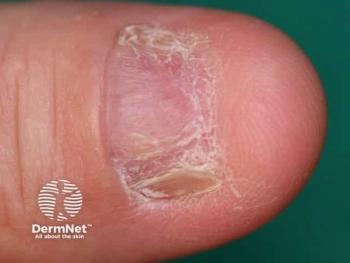
A review in JEADV Clinical Practice argues that deliberate nail examination in children can generate and narrow a differential diagnosis across virtually every organ system.

At 6-month follow-up, no behavioral outcomes — including sunscreen use, hat use, or reapplication — showed statistically significant improvement over baseline levels.
Jillian Rork, MD, discusses how Down syndrome is increasingly being understood through the lens of immunology and inflammatory skin disease.

Review the latest FDA pediatric dermatology updates, including dupilumab for childhood CSU, secukinumab for teen HS, and new CHE and infant eczema topical filings.
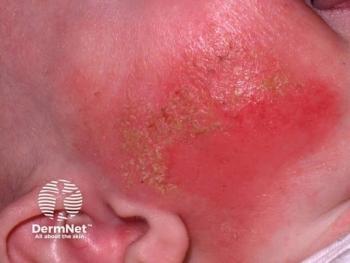
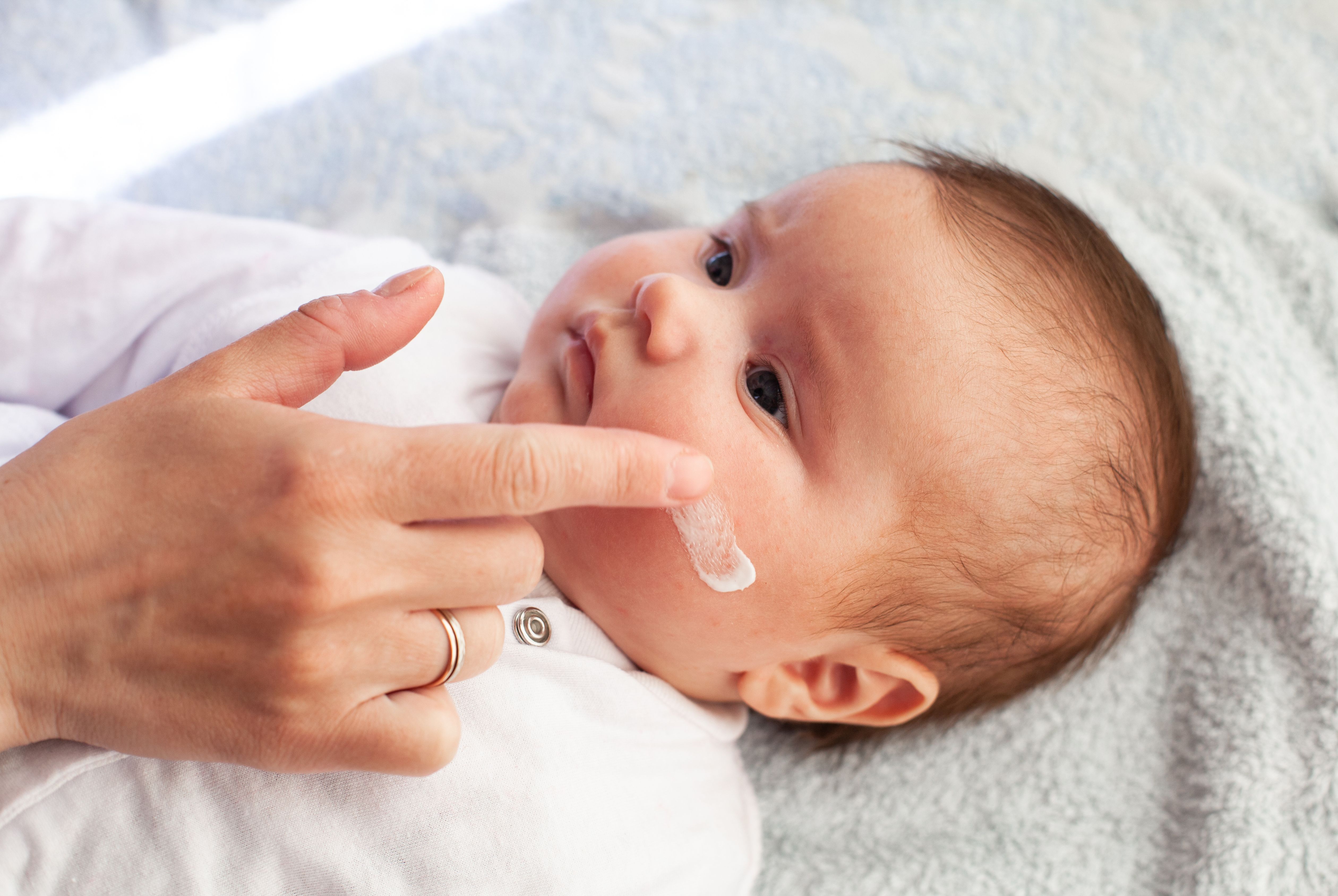
FDA will review a supplemental New Drug Application for topical roflumilast to treat infant AD with supporting trial data showing rapid itch relief and clear skin gains from week 1.
Meet Andrew C. Krakowski, MD, as he introduces Don't Be Rash and previews the conversations shaping the future of pediatric dermatology.

FDA will review LEO Pharma's delgocitinib cream for adolescent patients aged 12-17 with CHE, backed by phase 3 gains and addressing a major treatment gap.
The guidelines formalize a stepwise treatment approach ranging from emollients and topical steroids to systemic therapies.

Steven Daveluy, MD, discusses how this approval helps close a critical gap in care for adolescents living with HS.

Jeff Yu, MD, discusses important issues in screening and addressing pediatric contact dermatitis at the AAD Annual Meeting.
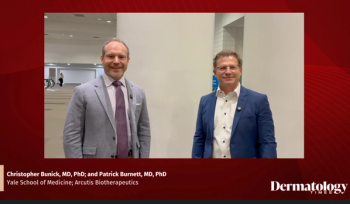
At AAD 2026, Christopher Bunick, MD, PhD, and Patrick Burnett, MD, PhD, discuss late-breaking data of roflumilast cream's improvements in infants with AD.
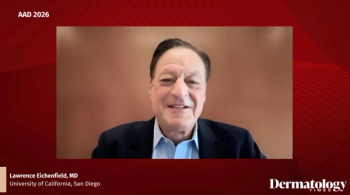
Late-breaking phase 2 findings presented at AAD show nemolizumab achieved high EASI-90 rates and rapid itch relief in pediatric patients with atopic dermatitis.

Levy reflected on the importance of mentorship, collaboration, and the evolving landscape of pediatric dermatology at the Society for Pediatric Dermatology Pre-AAD Meeting.

Swanson and Silverberg explain why tween skin care trends harm barriers, and how clinicians can simplify routines and spot allergens.
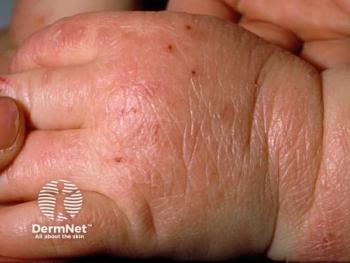
Positive phase 3 findings from ADorable-1 suggest lebrikizumab could expand biologic treatment options for younger patients with atopic dermatitis (AD).
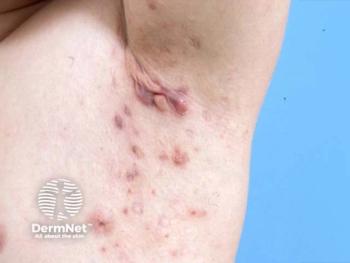
Novartis secured the approval through a pharmacokinetic extrapolation strategy rather than a full pediatric RCT, leveraging adult HS trial data and existing pediatric PK modeling from other approved indications.

A new study reveals gaps in acne management for teens with PCOS; Hispanic patients are less likely to receive spironolactone, COCs, or isotretinoin treatment.

A survey of dermatology residents found that interest in subspecialty fellowships often declines during training, with financial concerns particularly affecting pediatric dermatology.
The reimagined Don’t Be Rash podcast positions industry leaders at the center of pediatric skin conversations.
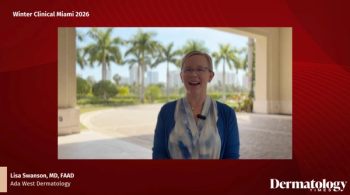
At Winter Clinical Miami, Lisa Swanson, MD, FAAD, shared practical, prior authorization–free treatment strategies while calling for expanded therapeutic options and earlier research inclusion for children under 12.
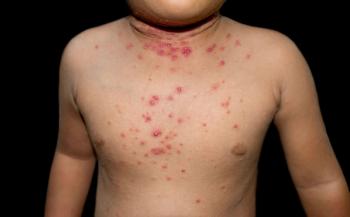
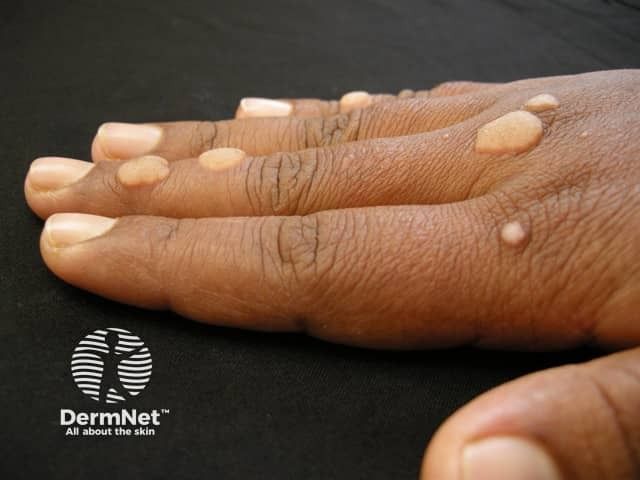
Alphyn Biologics advances zabalafin hydrogel for MC, aiming for painless relief by clearing lesions and itch in pediatric patients.

Targeting IL-4 and IL-13 signaling with dupilumab has demonstrated significant reductions in total and food-specific IgE in pediatric AD populations.
Highlighting conditions like lichen planus, which has no FDA-approved treatments, Lio underscores why clinicians must be comfortable prescribing beyond the label.
Clinicians are increasingly facing barriers when attempting to prescribe on-label treatments for indicated patients.
At MOPD 2026, Lisa Swanson, MD, urges fungal cultures amid terbinafine resistance and warns attendees about risky kids’ skin care trends.
Advertisement
Advertisement
Trending on Dermatology Times
1
Nearly 95% of Viral Korean Skincare TikTok Videos Contain Misleading Claims
2
EADV 2026 Day 1: Late-Breaking Data, Emerging Therapies, and New Directions in Dermatology
3
Tulisokibart Meets Primary Endpoint in Phase 2b Hidradenitis Suppurativa Trial
4
EADV 2026 Day 2: Long-Term AD Data, GLP-1 Nail Findings, and Emerging Treatments Take Center Stage
5