

News|Videos|March 1, 2026
Effective Pediatric Dermatology Solutions Without the Insurance Hurdles
Key Takeaways
- Prior-authorization burden was framed as a major impediment to timely pediatric dermatologic care, prompting prioritization of effective therapies that are accessible without insurance gatekeeping.
- Compounded Aron regimen for atopic dermatitis and a cash-pay wart medication from a specialty pharmacy were presented as practical, high-yield options that avoid prior authorization.
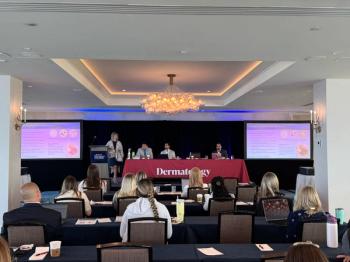
At Winter Clinical Miami, Lisa Swanson, MD, FAAD, shared practical, prior authorization–free treatment strategies while calling for expanded therapeutic options and earlier research inclusion for children under 12.
Advertisement
Lisa Swanson, MD, FAAD, a dermatologist and pediatric dermatologist based in Boise, Idaho, sat down with Dermatology Times live in Florida to share practical insights from her “Pediatric Pearls” session at
A central theme of her presentation was the “crushing burden” of prior authorizations and their impact on timely patient care. To help colleagues navigate these barriers, Swanson highlighted several effective therapies that do not require prior authorization. Among them was the Aron regimen, a compounded topical treatment for atopic dermatitis (AD) that can be prepared at local compounding pharmacies and has demonstrated strong safety and efficacy in clinical use. She also discussed a cash-pay wart medication produced by a specialty pharmacy, which she described as highly effective and accessible without insurance hurdles.
Additional pearls included the use of topical timolol for pyogenic granulomas and chronic paronychia, as well as hypochlorous acid as a versatile, microbiome-modulating adjunct for conditions ranging from AD and acne to perioral dermatitis, rosacea, seborrheic dermatitis, and hidradenitis suppurativa (HS). While emphasizing alternatives to streamline care, Swanson acknowledged that certain prior authorizations are worthwhile, particularly when they enable access to life-changing therapies, and she offered practical strategies for managing the process more efficiently.
Despite significant therapeutic advances in pediatric dermatology, Swanson underscored persistent gaps in treatment options for children under 12 years of age with inflammatory skin diseases, including AD, psoriasis, HS, alopecia areata, and vitiligo. Off-label prescribing remains common in this population, often complicating insurance approval and limiting timely intervention. She stressed the importance of earlier regulatory approvals, particularly in HS, where emerging data support early intervention to prevent scarring and tunnel formation.
“I know we'll get there. I know it's a process. I try to tell myself that and be patient,” she said. “But I want what I want, and I want it now, because I want to be able to help my patients, and when they’re younger, it's a lot harder.”
Swanson also highlighted the recent launch of a clinical trials division within her practice, expanding her ability to offer investigational therapies to patients before commercial availability. She views this initiative as a meaningful way to bridge therapeutic gaps, improve access to innovative treatments, and contribute to advancing the evidence base in pediatric dermatology.
“It's going wonderfully, and I can't wait to see how it grows over the years,” she concluded. “I really like it because I'm able to offer treatments for patients before they're officially available, and I love being able to do that to provide them with some sense of relief before I can do so via their prescription and their insurance.”
Reference
1. Swanson, L. Pediatric Dermatology Pearls. Presented at: 2026 Winter Clinical Miami Dermatology Conference; February 27-March 1, 2026; Aventura, FL.
Advertisement
Related Content
Advertisement
Latest CME


Advertisement
Advertisement
Trending on Dermatology Times
1
How Emerging Androgenetic Alopecia Therapies Target DHT at the Scalp Level
2
Social Media Mythbusters: Beef Tallow
3
Dermatology Times Inaugural NP/PA Connect Cutaneous Oncology Workshop Kicks Off in Tampa
4
25 Years Later: Remembering September 11 Through the Lens of Dermatologic and Burn Care
5