Banner - NPPA Connect
News|Videos|July 18, 2026

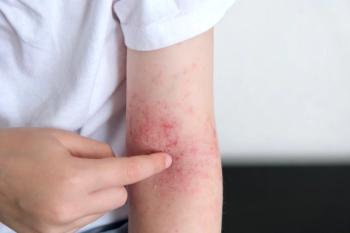
ED Treatment Gaps Persist for Pediatric Atopic Dermatitis

Christopher Bunick, MD, PhD, discussed new data suggesting emergency departments continue to rely on outdated therapies for pediatric atopic dermatitis flares despite evolving dermatology guidelines.

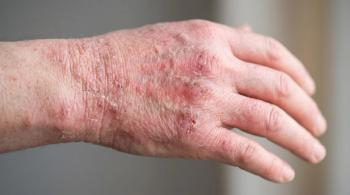
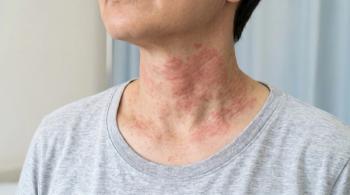
Christopher Bunick, MD, PhD, associate professor of dermatology at Yale School of Medicine and editor in chief of Dermatology Times, highlighted a poster from the Revolutionizing Atopic Dermatitis conference (RAD) examining how emergency physicians manage pediatric atopic dermatitis flares. Using Epic electronic health record data, investigators analyzed prescribing patterns in the emergency department and found continued reliance on therapies that diverge from current dermatology consensus recommendations. Bunick said the findings underscore an ongoing knowledge gap between advances in dermatologic care and treatment delivered in emergency settings.

Emergency Department Prescribing Patterns

The analysis found emergency physicians most commonly prescribed weak topical corticosteroids, oral corticosteroids, and oral antihistamines for pediatric atopic dermatitis flares. Approximately 20% of patients received oral corticosteroids. According to Bunick, these prescribing patterns conflict with recommendations from organizations such as the American Academy of Dermatology, which increasingly emphasize limiting prolonged corticosteroid exposure when appropriate while expanding use of advanced nonsteroidal topical therapies.1

"That's sort of backwards to what we're learning from our consensus guidelines," said Bunick.

Bunick noted that dermatology has similarly moved away from oral corticosteroids for severe psoriasis flares in both pediatric and adult patients because of their limited long-term utility and safety concerns.2

They're the least safe option. They're also highly ineffective, with high rates of relapse, Christopher Bunick, MD, PhD,

Oral Corticosteroids and Antihistamines in Atopic Dermatitis

Bunick noted that oral corticosteroids remain an important concern because prolonged use is associated with safety issues and frequent rebound flares. He defined long-term oral corticosteroid therapy in atopic dermatitis as treatment extending beyond 30 days. The poster also found frequent use of oral antihistamines, which Bunick said offer little benefit for either itch or skin inflammation in atopic dermatitis.1

"We know antihistamines do very little to help the skin in atopic dermatitis, and they do very little to help the itch," said Bunick.

Bridging the Knowledge Gap

Bunick said the findings reflect a broader disconnect between advances in dermatology and how atopic dermatitis flares are managed in urgent care and emergency settings.

"The knowledge that we are accumulating and learning in dermatology has not trickled down into urgent cares and ERs and the emergency rooms," said Bunick.

He said improving communication between dermatologists and clinicians practicing in emergency departments and urgent care settings could help bring treatment practices more in line with current evidence.

"We need to help make sure we spread the word to our colleagues that are managing urgent care centers and emergency rooms that there are certain guidelines and protocols that could be done to manage atopic dermatitis a little bit better than just using weak topical corticosteroids, oral corticosteroids, or oral antihistamines," said Bunick.

References:
  1. DiRuggiero D, DiRuggiero M. Beyond skin deep: the systemic impact of topical corticosteroids in dermatology. J Clin Aesthet Dermatol. 2025;18(1-2 Suppl 1):S16-S20. https://jcadonline.com/beyond-skin-deep-the-systemic-impact-of-topical-corticosteroids-in-dermatology/
  2. Gregoire ARF, DeRuyter BK, Stratman EJ.Psoriasis flares following systemic glucocorticoid exposure in patients with a history of psoriasis.JAMA Dermatol. 2021;157(2):198-200. doi:10.1001/jamadermatol.2020.4219. https://pmc.ncbi.nlm.nih.gov/articles/PMC7675213/