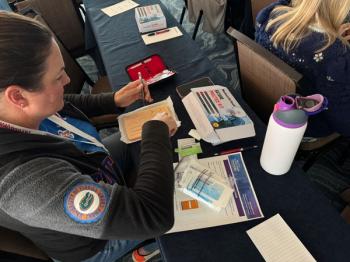
Faculty from the Cutaneous Oncology Workshop answer practical questions spanning skin cancer prevention, diagnosis, treatment, and follow-up.
Daniel Condie, MD, shares kid-friendly sun safety tips, tanning bed warnings, and early skin cancer detection advice that clinicians can share with families and teens.
Condie emphasized that promoting sun protection in pediatric populations requires a personalized and pragmatic approach, particularly given the behavioral challenges associated with younger patients and teenagers. He referenced personal experiences with his own 5 children, ranging in ages between 4 and 15.
“It is a constant conversation in our home,” Condie said. “I have pretty fair skin. My kids also have fair skin. We're at very high risk of getting sunburns and getting skin cancer in the future, so we take this matter seriously.”
Beyond individual counseling, Condie underscored the importance of advocacy, particularly in light of ongoing FDA policy variability surrounding indoor tanning regulations federally and state-by-state. He referenced the association between tanning bed use and increased melanoma risk, reinforcing that this remains a significant public health concern. Dermatologists, he argues, should play an active role in patient education and community outreach to counter misinformation and advocate for stronger protections, particularly for minors. Organizations such as the American Academy of Dermatology continue to support these efforts through public awareness campaigns and policy engagement.
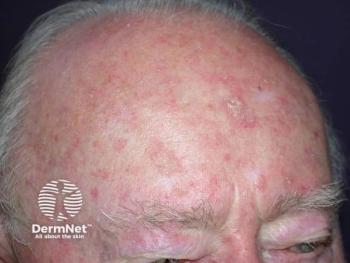
Finally, Condie reiterated the critical importance of early detection in improving skin cancer outcomes. He advises regular skin examinations for high-risk individuals, including those with fair skin, significant sun exposure history, or a family history of skin cancer. Prompt evaluation of changing or suspicious lesions remains essential, as early-stage skin cancers are typically highly treatable, whereas delayed diagnosis can lead to increased morbidity and mortality.