


Opinion|Videos|August 4, 2026
Understanding PD-1 and PD-L1 Inhibition in cSCC
Dr. Chandra walks the panel through the systemic therapy toolkit for advanced squamous cell carcinoma, organizing it into three categories.
Advertisement
Episodes in this series
This video series has been produced independently by Dermatology Times and supported through an educational grant by Sun Pharmaceuticals.
Dr. Chandra walks the panel through the systemic therapy toolkit for advanced squamous cell carcinoma, organizing it into three categories. Traditional chemotherapy pairs a platinum-based agent with a microtubule-targeting drug, such as carboplatin and paclitaxel. Targeted therapy centers on EGFR inhibitors like cetuximab, which bind the receptor and shut down downstream signaling to curb proliferation. The newest category, immune checkpoint inhibitors, includes the anti-PD-1 agents cemiplimab and pembrolizumab and the anti-PD-L1 agent cosibelimab, which carries additional ADCC activity that may engage the innate immune system, though its clinical impact remains uncertain.
Asked how to choose among the checkpoint inhibitors, Dr. Chandra is candid that little data guides the decision. Response rates appear broadly similar, and apparent differences between trials likely reflect study design and patient population rather than true separation between the agents. In practice, she says, the choice often comes down to institutional formulary, familiarity, and dosing frequency rather than a clear winner. Dr. Patel echoes that when patients ask, his main goal is simply that they receive immunotherapy, and he highlights cosibelimab's secondary mechanism as potentially useful for partially immunosuppressed patients, such as those with cLL.
Dr. Carr reports that his institution has leaned heavily on cemiplimab, driven by oncologist familiarity and depth of data, while cosibelimab remains newer and less battle-tested. On neoadjuvant versus primary treatment, he frames the decision as a continuum: borderline resectable tumors with functional concerns lean neoadjuvant, while surgically inoperable tumors move toward primary systemic therapy. He adds that a complete response to neoadjuvant therapy does not automatically mandate surgery, noting growing interest in de-escalation strategies that tailor subsequent treatment to how each patient responds.
In the next episode, "Comparing Safety Profiles of Checkpoint Inhibitors in cSCC," Dr. Chandra and Dr. Patel dig into the safety profiles of these agents, weighing an intriguing signal around the newest PD-L1 inhibitor against the hard-won lessons of earlier drug classes.
Advertisement
Related to this article
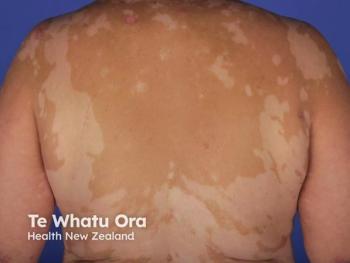
The FDA clearance allows Edesa to expand an ongoing placebo-controlled study of the CXCL10 antibody EB06 to US sites, with topline data expected in the fourth quarter of 2027.

The novel oral helicase-primase inhibitor demonstrated significantly higher rates of complete lesion healing compared with investigator’s choice treatment in the phase 3 PRIOH-1 trial.
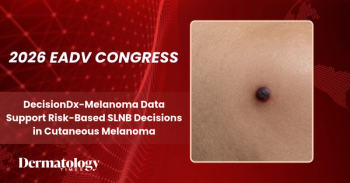
Prospective data suggest DecisionDx-Melanoma may help refine SLNB decisions and identify recurrence risk beyond conventional staging.

Falk G. Bechara, MD, discusses long-term tunnel control, structural damage, and the evolving role of biologics and surgery in HS care.
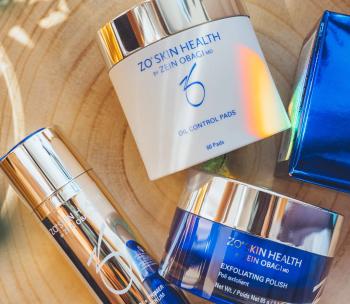
Galderma has agreed to acquire ZO Skin Health for $1.5 billion, adding the physician-dispensed skincare brand to a portfolio that already includes Cetaphil and Alastin.

New dermatology research explores hidden steroids in OTC products, infant eczema, melanoma prevention, cutaneous lymphoma, and pediatric AD.

SYX-5219 improved disease severity and itch in a Phase 1b trial of adults with moderate to severe atopic dermatitis.

In a survey of 301 employed adults, overall work impairment attributable to CHE was 31.8%, and quality of life worsened in step with self-reported disease severity.
Advertisement
Advertisement
Trending on Dermatology Times
1
FDA Approves Pritelivir for Refractory Mucocutaneous HSV in Immunocompromised Adults
2
GLP-1 Agonists Address Metabolic Risk in Psoriatic Disease
3
EB06 Phase 2 Vitiligo Study Receives FDA IND Clearance
4
EADV 2026 Atopic Dermatitis Highlights: Tilrekimig, RAC2 Inhibition, and Level Up Data
5