The designation marks the first FDA Fast Track status granted to a therapy for peeling skin syndrome, which currently has no approved treatment.
Swanson and Silverberg explain why tween skin care trends harm barriers, and how clinicians can simplify routines and spot allergens.
At the 2026 Masters of Pediatric Dermatology Symposium (MOPD), Lisa Swanson, MD; and Nanette Silverberg, MD, addressed a phenomenon that has rapidly become part of everyday dermatologic practice: children and adolescents presenting not only with acne or eczema, but with skin barrier damage, contact dermatitis, and psychosocial distress driven by complex, influencer-promoted skin care regimens.
Their session at MOPD 2026, “Teen Skin SOS,” offered a clinically grounded, ethically mindful framework for managing pediatric and adolescent skin disease amid unprecedented commercial and social media pressures. The message was not alarmist, nor dismissive of patient concerns. Instead, it emphasized simplicity, barrier preservation, and clinician engagement as essential tools in modern pediatric dermatology.
Cosmeceuticals occupy a regulatory gray area, positioned between cosmetics and pharmaceuticals. They often contain biologically active ingredients and promise improvement, yet they are rarely studied for safety, tolerability, or efficacy in children.
Swanson highlighted that this gap is particularly concerning given the aggressive marketing of skin care products to Generation Alpha and Generation Z. The global skin care industry—valued at over $146 billion in 2021 and projected to nearly double by 2031—has identified children and adolescents as a key growth demographic.
Bright packaging, celebrity endorsements, and pseudomedical branding blur the distinction between evidence-based dermatology and entertainment. Swanson drew a provocative historical parallel, questioning whether cosmeceuticals may be following the same youth-targeted marketing trajectory once seen with cigarettes and vaping products. Although rhetorical, the comparison underscored the ethical tension clinicians increasingly face.
One consistent theme was the disconnect between marketed routines and physiologic need. According to Swanson, if children express interest in skin care, clinicians can validate that interest without endorsing unnecessary or harmful practices.“If they want one, just a general, gentle face wash, a good moisturizer with SPF [sun protection factor]—that’s plenty,” she told Dermatology Times. “They don’t need expensive things. They don’t need fancy products.”
This minimalist approach is not simply cost conscious; it is preventive. Overcleansing, excessive exfoliation, and multistep regimens disrupt the epidermal barrier, particularly in patients with atopic tendencies. This disruption often manifests as irritant contact dermatitis, acneiform flares, or seborrheic overlap rather than the conditions patients believe they are treating.
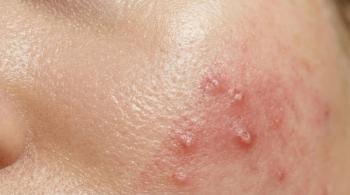
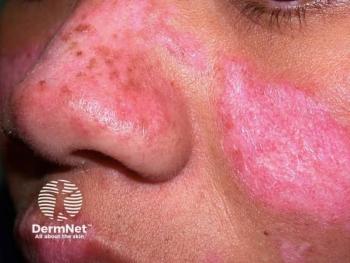
Silverberg provided extensive clinical context on the overlap between acne, atopic dermatitis, and seborrheic dermatitis in adolescents. Midfacial erythema, scalp involvement, eyelid dermatitis, and hand eczema were highlighted as common, underrecognized patterns.
Fragrance exposure emerged as a central driver. Teenagers encounter fragrance through obvious sources such as body sprays and perfumes, as well as “hidden” fragrance in essential oils, botanical extracts, and Korean beauty products. Patch testing data consistently identify fragrance mix as a leading allergen in this age group.
Even well-intentioned behaviors, such as frequent washing and exfoliation, can worsen inflammation when combined with fragranced products. Silverberg emphasized returning patients to the same gentle skin care principles taught in infancy, while acknowledging adolescents’ growing autonomy over their routines.
Among the most concerning trends discussed was the marketing of anti-aging products to children and tweens. Swanson was unequivocal:“The anti-aging products being marketed to young people probably have the risk of doing the most harm within this age group.”
She explained that many of these formulations contain ingredients designed for photoaged skin and can be irritating to adults as well.“They’re designed for older, more mature skin…. They’re not designed for a fresh, naive 7-year-old face,” she said, noting that irritation often occurs without any measurable benefit.
Products that are marketed for skin lightening or hyperpigmentation raised additional red flags. Swanson cautioned that some formulations, particularly those sold online or internationally, contain dangerous or undisclosed ingredients.
“Some of them contain topical steroids. Some of them contain hydroquinone, which can actually cause a paradoxical darkening,…and some of them even contain mercury,” she warned. Her guidance was clear: “Special caution should be paid to the ones that promise to lighten your skin.”
These concerns are especially relevant in patients with skin of color, for whom postinflammatory hyperpigmentation is common and societal pressures around skin tone may intersect with mental health and body image.
Both speakers emphasized that social media is no longer a peripheral influence—it is a clinical variable. Adolescents routinely seek skin care advice from TikTok, Instagram, and YouTube, where the majority of high-engagement acne and skin care content is produced by nonmedical influencers.
Although this content is often compelling, study findings consistently demonstrate high rates of misinformation. Swanson noted that social media platforms frequently create the perceived problem—flawless, edited skin—then sell the solution, fostering dissatisfaction and anxiety in young users.
For clinicians, this reality necessitates a shift in approach: correcting misinformation without dismissing the patient’s lived digital experience.
The Swanson-Silverberg sessions at MOPD 2026 highlighted an evolving role for dermatologists: treating disease while also countering commercial influence and digital misinformation. Their message was pragmatic and patient-centered: Meet families where they are, protect the skin barrier, and prioritize evidence over marketing.
In an era where “more” is relentlessly promoted, the most effective intervention may be reassuring families that healthy young skin usually needs far less than they are being sold.