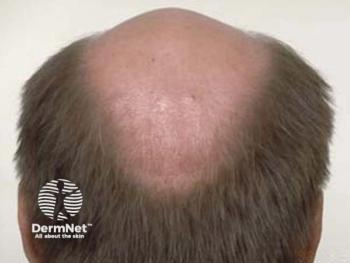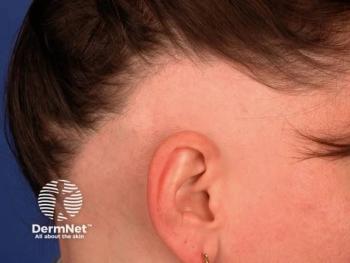
The FDA approval, based on 36-week data from the phase 3 BRAVE-AA-PEDS trial, extends baricitinib access to patients as young as 12 years old with severe alopecia areata.

Oyetewa Asemba, MD, discussed common mistakes in hair loss and pigmentary disorder care, from scalp exams to treatment vehicle selection.
Oyetewa Asemba, MD, is a dermatologist currently practicing in Houston, Texas, who will soon relocate to Dallas.
Asemba identified failure to examine the scalp as one of the most common mistakes clinicians make during hair loss visits. She said patients frequently report feeling dismissed or judged by a previous provider when
If a patient has come to you for hair loss, they are expecting you to get in there, Asemba said.
Patients who arrive with
"I need to look at your entire scalp, so I would love for you to come back when I can really access the entire scalp," Asemba said.
Another common mistake is prescribing a shampoo regimen without accounting for hair texture and the patient's typical washing frequency, Asemba said.
"Curly hair patients should not wash every day because it will cause breakage for their hair," Asemba said.
In comparison, Asemba explained that patients with straighter or wavier hair may require more frequent washing because sebum more easily coats the hair and can attract dirt and dust. With curly hair, sebum has more difficulty traveling down the hair shaft, making added conditioners and oils important sources of moisture.
Explaining why washing recommendations differ by hair type can help patients understand the rationale behind a prescribed regimen and determine whether it realistically fits into their existing hair care routine.
Treatment selection should also account for how patients typically style their hair. Asemba pointed to
However, the vehicle may not be appropriate for every patient's styling routine. For a patient with curly hair who has thermally straightened their hair with a blowout or silk press, applying a
"If someone paid $400 for their special blowout, they might be very upset with you for giving them a water-based treatment," Asemba said.
Asking patients how they typically wear and style their hair before prescribing a topical therapy can therefore help clinicians select a vehicle that is more compatible with their routine and more practical for continued use.
Asemba also highlighted hyperpigmentation as an important quality-of-life concern. For some patients, she said, the pigmentation left behind by an
"It's devastating for a lot of people, and it's actually more devastating than the diseases that cause it," Asemba said.
Asemba recommended addressing post-inflammatory hyperpigmentation (PIH) alongside the underlying inflammatory condition rather than waiting for the inflammation to resolve before discussing pigmentation. Acne is one example in which she incorporates pigment management into the treatment plan from the beginning.
"If you have acne, I know it's going to cause
According to Asemba, this approach can help build rapport with patients while also helping prevent some PIH. She noted that complete return to baseline pigmentation is not always achievable, making discussions about quality of life and patient expectations an important part of management.
Primary pigmentary disorders that are not
Across hair loss and pigmentary disorder care, Asemba emphasized that treatment decisions should account for more than the diagnosis alone. Examining the scalp, understanding hair texture and styling practices, and addressing patients' concerns about pigmentation can help clinicians develop treatment plans that better align with patients' individual needs and routines.
References