New dermatology research explores hidden steroids in OTC products, infant eczema, melanoma prevention, cutaneous lymphoma, and pediatric AD.
This review of the latest dermatological studies includes insights on brodalumab for plaque psoriasis, physiological characteristics of scalps with high sebum production, disease burden of anogenital PsO, and more.
A focused narrative review examined real-world and clinical trial evidence for brodalumab in adults with moderate to severe plaque psoriasis who switched from another biologic because of primary or secondary treatment failure or adverse events. Brodalumab targets the IL-17 receptor A, distinguishing it from IL-17 inhibitors that target individual cytokines. Evidence was particularly supportive of switching to brodalumab after failure of secukinumab or ixekizumab. Across real-world studies, 47.8%–81.7% of patients achieved PASI 75, 40.0%–58.9% achieved PASI 90, and 28.0%–50.0% achieved PASI 100 after 12–16 weeks. In a larger study, PASI 100 was achieved by 69.2% at week 52 after switching from secukinumab or ixekizumab. Brodalumab also demonstrated effectiveness after TNF-α, IL-12/23, and IL-23 inhibitor failure, with responses generally maintained over longer follow-up. The findings suggest brodalumab can be considered when patients experience inadequate or waning responses to other biologics, including another IL-17 inhibitor. However, the review notes that differences among studies and limited comparative data warrant caution when interpreting cross-study efficacy comparisons.1
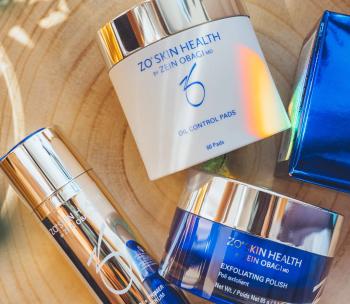
This study compared laboratory and clinical methods for evaluating cosmetic products and found that multiple models can help assess redness reduction and soothing efficacy. Researchers tested 8 products using human umbilical vein endothelial cells (HUVECs), a 3D reconstructed skin model, and a zebrafish vascular dysfunction model, then compared findings with a 28-day clinical study of 291 participants. In the clinical evaluation, all 8 products significantly reduced cheek redness by days 14 and 28, while transepidermal water loss (TEWL) also decreased over time. Laboratory findings generally showed high rank-order correlation with clinical outcomes, with the zebrafish model demonstrating the strongest correlation. The authors proposed a tiered approach: 2D cell models may support early screening and formulation optimization, while 3D skin and zebrafish models may provide more comprehensive later-stage validation. The findings highlight the potential value—and limitations—of laboratory evidence when evaluating cosmetic claims for sensitive, redness-prone skin.2
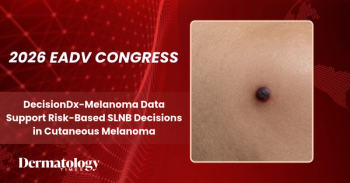
A 30-year retrospective cohort study evaluated melanoma outcomes in 316 adults aged 18 to 44 years and found that detection patterns, sex, and reasons for seeking care significantly influenced prognosis. Self-detection was the most common pathway, accounting for 58.9% of cases, but these melanomas were more likely to be thicker than lesions identified by relatives, friends, or health care professionals. Male sex and self-detection were independently associated with Breslow thickness greater than 2 mm. Among self-detected lesions, nodularity and bleeding were the strongest predictors of advanced disease. Men experienced higher rates of metastatic progression (33.1% vs 18.1%) and melanoma-related mortality (18.7% vs 11.3%) compared with women. The median years of life lost among patients who died from melanoma exceeded 29 years. These findings underscore the importance of encouraging prompt evaluation of changing lesions, particularly in young men and in patients reporting bleeding or nodular growth, to support earlier diagnosis and improved outcomes.3
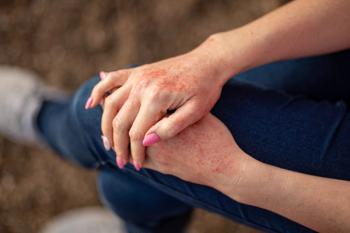
This case-control study of 294 adults with psoriasis found that 159 (54.1%) had current anogenital involvement and experienced substantially greater disease burden than patients without anogenital lesions. These patients had higher psoriasis severity, more comorbidities, and more intense itching, pain, and burning, yet were less likely to receive biologic therapy. They also reported greater quality-of-life impairment, poorer mental health, and more difficulties with sexual activity and intimate relationships. Treatment benefits were perceived as lower, with patient-defined needs centered on reducing physical symptoms and improving sexual and relationship functioning. Higher disease severity, anogenital involvement, lack of biologic treatment, greater itching/burning, and limitations in sexual activity were associated with poorer patient-reported outcomes. The findings emphasize proactively assessing anogenital involvement and discussing symptoms and sexual health. Treatment decisions should incorporate patient-reported burden—not simply lesion extent or PASI—to help identify patients who may benefit from more effective systemic therapy.4
In a study of 32 healthy Chinese adults with self-reported oily scalp and dandruff, it was found that the scalp had higher sebum levels, lower hydration, and greater transepidermal water loss (TEWL) than adjacent facial areas, suggesting a relatively compromised barrier despite abundant sebum. Higher pore sebum was associated with lower scalp hydration. Levels of hydroxyoctadecadienoic acid (HODE), a marker of oxidative stress, also correlated with both surface and pore sebum and were higher among participants reporting dandruff and itch. A single wash with a prototype shampoo containing 0.5% piroctone olamine significantly reduced both surface and pore sebum, as well as HODE levels, 30 minutes after cleansing. The findings highlight the complex relationship between excess sebum, oxidative stress, hydration, and scalp symptoms. They also suggest that targeted sebum control may support scalp health, although further controlled studies are needed.5
References
1. Armstrong AW, Strober BE, Liu CM, Cather JC, Merola JF, Lebwohl MG. Effectiveness of brodalumab in biologic-experienced adults with moderate to severe plaque psoriasis: a focused narrative review. J Dermatolog Treat. 2026;37(1):2694924. doi:10.1080/09546634.2026.2694924
2. Du Y, Li J, Sun Q, Zhang C, Wang F. Evaluating Cosmetic Efficacy: A Comparative Study on Methods for Assessing Skin Redness Reduction and Soothing. J Cosmet Dermatol. 25, no. 8 (2026): e71100. doi:10.1111/jocd.71100
3. Rodríguez-Sánchez B, Avilés-Izquierdo JA, Martín-Nieto-González J, et al. Prognostic Impact of Detection Patterns, Reasons for Consultation, and Sex Differences in Melanoma Among Young Adults: A 30-Year Retrospective Cohort Study. Int J Dermatol. Published online August 13, 2026. doi:10.1111/ijd.70615
4. da Silva Burger Neuza, Augustin M, Wilsmann-Theis D, et al. Disclosing the Overall and Sex-Related Disease Burden and Treatment Needs of Patients With Anogenital Psoriasis: Results From the Case–Control PsoGen Study. Dermatology Research and Practice, 2026, 7159192, 11 pages, 2026. doi:10.1155/drp/7159192
5. Chen K, Lau H, Xu S, et al. Physiological Characteristics of Scalp Skin With High Sebum Production and the Impacts of Shampoo Cleansing. Skin Res Technol. 2026;32(8):e70376. doi:10.1111/srt.70376