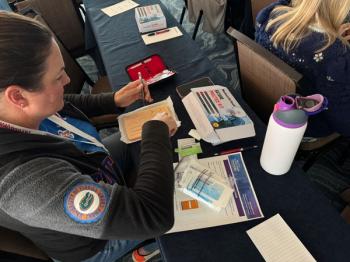
Faculty from the Cutaneous Oncology Workshop answer practical questions spanning skin cancer prevention, diagnosis, treatment, and follow-up.
Maui Derm NP+PA Fall 2026 brings dermatology NPs and PAs together for clinical updates, interactive cases, and practical treatment discussions.
The meeting combines traditional clinical updates with interactive case discussions, audience-response sessions, workshops, and diagnostic challenges designed to translate emerging evidence into everyday dermatology practice. Across the program, faculty will address both common conditions encountered routinely in clinic and complex cases that can test clinicians’ diagnostic and therapeutic decision-making.
The meeting opens with a review of noteworthy dermatology literature published in 2026, followed by a session focused on new products and therapies and how clinicians may incorporate them into practice in 2026 and beyond.
That focus on evolving treatment options continues throughout the meeting. Sessions will examine new data and approaches across atopic dermatitis, psoriasis and psoriatic arthritis,
One session will also explore
Case-based learning is a major component of this year's program. Cutaneous oncology sessions will take attendees through diagnostic and therapeutic dilemmas ranging from
Similar interactive formats will appear throughout the conference, including Grand Rounds in Dermatology, eczematous and contact dermatitis cases, and inflammation and immunology workshops.
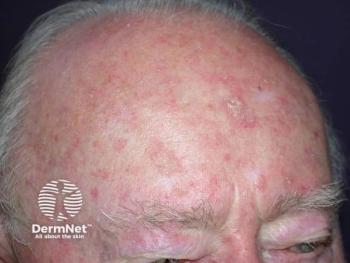
The meeting's Skin Lesions Potpourri will add a competitive element, presenting clinical photographs of difficult-to-diagnose lesions and asking attendees to vote on their diagnoses while a real-time leaderboard tracks responses.
Friday's program will feature several broad clinical updates beginning with pediatric dermatology, followed by an interactive session on atopic dermatitis and itch. Faculty will discuss new drugs, data, and treatment approaches before applying those developments to challenging patient scenarios.
Acne and rosacea will receive a dedicated interactive update led by
A 2-hour psoriasis and psoriatic arthritis update will explore developments from the past year as well as complex treatment decisions involving comorbidities and clinical circumstances such as pregnancy, solid tumors, obesity and metabolic syndrome, and tuberculosis.
Saturday's agenda shifts toward several areas in which diagnosis itself can be challenging. A session on
Pigmentary disorders will also take center stage, with discussion of
The conference concludes with an extended
Beyond updates on drugs and disease states, Maui Derm NP+PA Fall 2026 places an emphasis on skills clinicians can bring directly back to practice. A procedural pearls session will focus on refining dermatologic surgical techniques, improving efficiency, and incorporating technical strategies beyond basic procedural skills.
Other sessions will tackle infectious diseases, nail disorders, uncommon dermatoses, pediatric dermatology, and diagnostic challenges, creating a program that spans both high-frequency concerns and less familiar presentations.
Across 4 days, the meeting's combination of emerging evidence, expert discussion, audience participation, and case-based education will offer NPs and PAs opportunities to sharpen clinical decision-making while staying current with a rapidly changing dermatology treatment landscape.